



As winter's cool breath sweeps across India, it brings more than just misty mornings and cozy evenings. For wildlife enthusiasts, this is the golden season, a time when the country's magnificent fauna steps out into the open.
Why Winter Is the Perfect Safari Season
The mechanics of a great safari
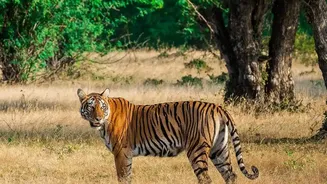
often come down to two simple factors: animal comfort and visibility. During the scorching summer months, many large animals conserve energy, seeking shade and becoming most active only at the cooler ends of the day. Winter changes this equation entirely. The pleasant daytime temperatures encourage animals, including majestic predators like tigers, to be more active for longer periods. They can be seen roaming territories, basking in the mild sun, or moving between areas without the stress of intense heat. Furthermore, the post-monsoon vegetation begins to thin out, and the tall grasses that obscure views in other seasons die back. This improved visibility across grasslands and forests means that spotting wildlife becomes significantly easier for safari-goers. Add to this the arrival of thousands of migratory birds, and you have the perfect recipe for an unforgettable wildlife experience.
Ranthambore National Park, Rajasthan
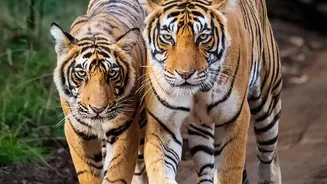
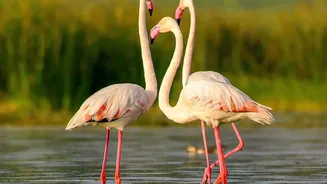
Ranthambore is legendary for its tiger sightings, and winter is a prime time to visit. With the weather cool and comfortable, tigers are frequently seen patrolling their territories or sunning themselves in open areas, particularly near the park's famous lakes. The pleasant climate, with temperatures ranging from 10°C to 25°C, makes for comfortable safari drives through the historic landscape of ancient forts and ruins. Beyond tigers, the chances of spotting leopards, sloth bears, sambar deer, and marsh crocodiles are also high. Winter is also peak season for birdwatching in Ranthambore, as migratory species join the park's resident populations, adding another layer of richness to the experience. The rutting season for sambar deer during winter can also lead to dramatic predator-prey encounters.
Kaziranga National Park, Assam
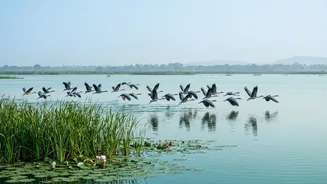
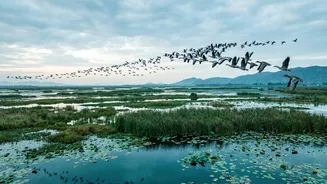
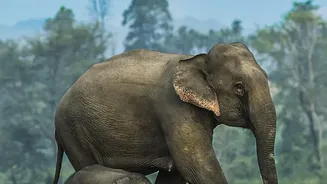
Home to two-thirds of the world's great one-horned rhinoceroses, Kaziranga is a UNESCO World Heritage Site that truly shines in winter. The park, which remains closed during the monsoon, reopens to reveal a landscape where the tall elephant grass has started to recede, dramatically improving visibility. Between November and February, animals like rhinos, elephants, and wild water buffalo congregate more predictably around the remaining wetlands. This period is also the best time for birdwatching, as thousands of migratory birds arrive from Central Asia, filling the park's 'beels' (wetlands) with species like bar-headed geese and ruddy shelducks. The mild and dry weather makes both jeep and elephant safaris a comfortable and highly rewarding experience.
Jim Corbett National Park, Uttarakhand
As India's first national park, Jim Corbett offers a classic wilderness experience that is arguably at its best from November to February. During these cooler months, all safari zones of the park, including the coveted Dhikala zone, are open and accessible. The dry, clear weather enhances visibility, and the forest's inhabitants become more active during the day. Tigers and leopards are more frequently spotted, and large herds of elephants can be seen along the Ramganga riverbed. Winter is also the peak migratory season for birds in Corbett, transforming the park into a paradise for birders with over 580 recorded species. The crisp, foggy mornings lend a mystical atmosphere to safari drives, creating picture-perfect moments for photographers and nature lovers alike.
Gir National Park, Gujarat
The sole home of the Asiatic lion, Gir National Park in Gujarat offers a unique safari experience. While lions can be seen yearrdound , winter months provide a particularly pleasant window for exploration . The cooler , greener landscape is inviting , and the lions are often more active during the daytime , offering excellent opportunities for sightings and photography . The comfortable weather allows for extended safari drives without the intense heat of the summer months . In addition to its famous lions , Gir is home to a significant population of leopards , sambar deer , and numerous bird species , making it a comprehensive wildlife destination best enjoyed in the temperate winter climate .