



Beyond the Postcard View
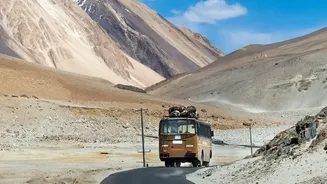
For decades, tourism often meant passively observing a place from behind a camera lens or a tour bus window. But a significant shift is underway. Enter experiential travel, a form of tourism where the focus is on active participation rather than passive sightseeing.
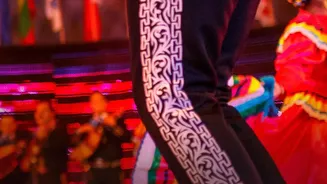
It's the difference between watching a chef prepare a meal and joining them in the kitchen to learn the recipe yourself. This approach, also called immersive travel, encourages you to engage with a destination's culture, people, and environment on a much deeper level. Instead of simply seeing the sights, you become part of the scene, whether that involves learning a traditional craft, staying with a local family, or participating in a community festival.
Walking in Another Person's Shoes
The core promise of this travel style is its power to build empathy. When we step out of our comfort zones and into the daily rhythms of another culture, it challenges our preconceived notions and breaks down stereotypes. Engaging directly with local communities helps humanise people we might otherwise only see through news headlines or media portrayals. Studies and experts suggest that this kind of cross-cultural exposure is a powerful tool for developing empathy, as it forces us to see the world from a different perspective. This isn't just a feel-good sentiment; research has shown that new and diverse experiences can literally rewire our brains, making us more open and creative.
From Tourist to Temporary Local
So, what does an experience-based holiday actually look like? The possibilities are as diverse as the world itself. It could mean spending a week on a family-run cattle ranch in Argentina, learning to ride horses and live the gaucho life. It might be a cooking class in a Tuscan farmhouse, where you not only learn to make pasta but also understand the story behind the ingredients. Other examples include joining a traditional tea ceremony in Kyoto, participating in a community-based conservation project, or volunteering with local artisans. The key element in all these scenarios is authenticity and active involvement. It’s about moving from being a consumer of a culture to being a respectful participant in it.
The Art of Authentic Connection
Finding these meaningful experiences requires a more intentional approach to travel planning. It often means looking beyond large, all-inclusive resorts and seeking out smaller, locally-owned businesses, guesthouses, or homestays. Responsible tourism is a key part of this; it's about ensuring that your travel benefits the local community economically and respects its cultural and environmental heritage. This means choosing operators who employ local guides, contribute to conservation, and foster genuine cultural exchange, not staged performances for tourists. The mindset you bring is just as important. An open mind, a willingness to be flexible, and a genuine curiosity about others are the most essential items you can pack.