




A Revolution in Concrete and Asphalt
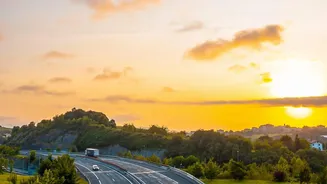
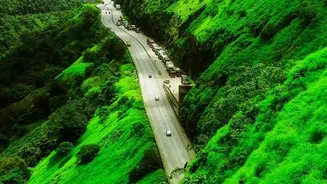
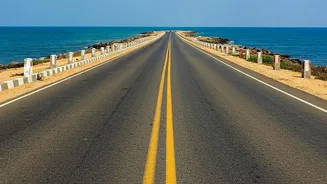
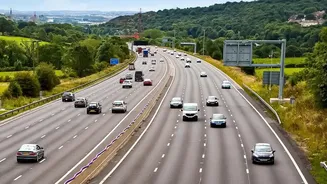
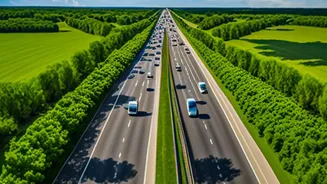
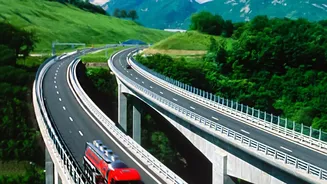
Across the country, a transformation is being paved in concrete and asphalt. Ambitious infrastructure programs, most notably the Bharatmala Pariyojana, are creating a web of high-speed, access-controlled expressways designed to overhaul national connectivity.
This isn't just about adding more kilometres of road; it's a strategic vision to build economic corridors, link remote areas, and drastically reduce logistical bottlenecks. Projects like the 1,386 km Delhi-Mumbai Expressway and the 594 km Ganga Expressway are engineering marvels, designed for speeds up to 120 km/h and equipped with modern amenities and safety features. This massive undertaking is fundamentally rethinking how people and goods move across the nation, making India more integrated than ever before.
The Journey Becomes the Destination
For decades, the journey was often the most gruelling part of a holiday. That reality is rapidly changing. The most immediate impact of these new expressways is the dramatic reduction in travel time. The trip between Delhi and Mumbai is set to be halved from 24 hours to just 12. Similarly, the Delhi-Dausa stretch has already cut the drive to Jaipur from over five hours to around three and a half. A journey from Meerut to Prayagraj, which used to be an 11-hour ordeal, can now be completed in about six hours thanks to the Ganga Expressway. This efficiency isn't just about speed; it's about a better, safer, and more predictable travel experience. Smoother roads, reduced congestion, and planned wayside amenities transform a stressful drive into a comfortable and even enjoyable part of the holiday itself, making the classic road trip more appealing than ever.
The Rise of the Weekend Road Tripper
This new era of connectivity is fuelling a significant cultural shift in how Indians travel. The 'quick weekend getaway' is no longer a luxury confined to those living near hill stations or beaches. With major cities now linked by fast, reliable roads, spontaneous travel is on the rise. Travel data shows a surge in shorter trips, with many Indians taking advantage of long weekends to explore destinations within a few hours' drive. This has given birth to a new generation of 'weekend warriors' who think nothing of hopping in a car on a Friday evening. Young travellers, particularly Gen Z, are embracing this trend, preferring the freedom and flexibility of self-driven escapes over rigid itineraries. This shift is also reflected in vehicle choices, with a growing preference for comfortable SUVs suitable for long drives.
Connecting Culture, Pilgrimage, and Commerce
The benefits of this expressway boom extend far beyond the metro cities. They are creating new lifelines for regional economies and previously hard-to-reach destinations. The Ganga Expressway, for instance, is set to be a major boon for spiritual tourism in Uttar Pradesh, connecting key pilgrimage sites like Prayagraj, Hastinapur, and other temple towns. Travellers can now easily plan a weekend trip covering multiple religious sites. Similarly, the Delhi-Mumbai Expressway opens up easier access to popular tourist spots in Rajasthan and Gujarat, including national parks like Sariska and Ranthambore. This influx of travellers provides a direct economic boost to smaller towns, supporting local artisans, hotels, and restaurants, and ensuring the benefits of development are more widely distributed.