

The Post-Monsoon Transformation
One of the most compelling reasons to visit Rajasthan in October is to witness the state's remarkable transformation after the monsoon season. From July to September, seasonal rains wash away the dust of the preceding summer, leaving the landscape surprisingly
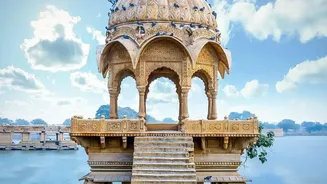
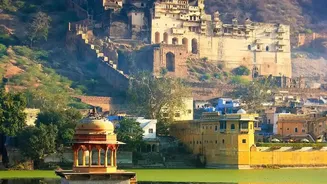
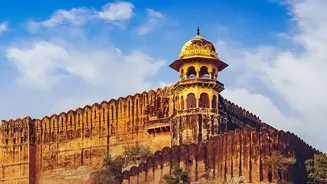
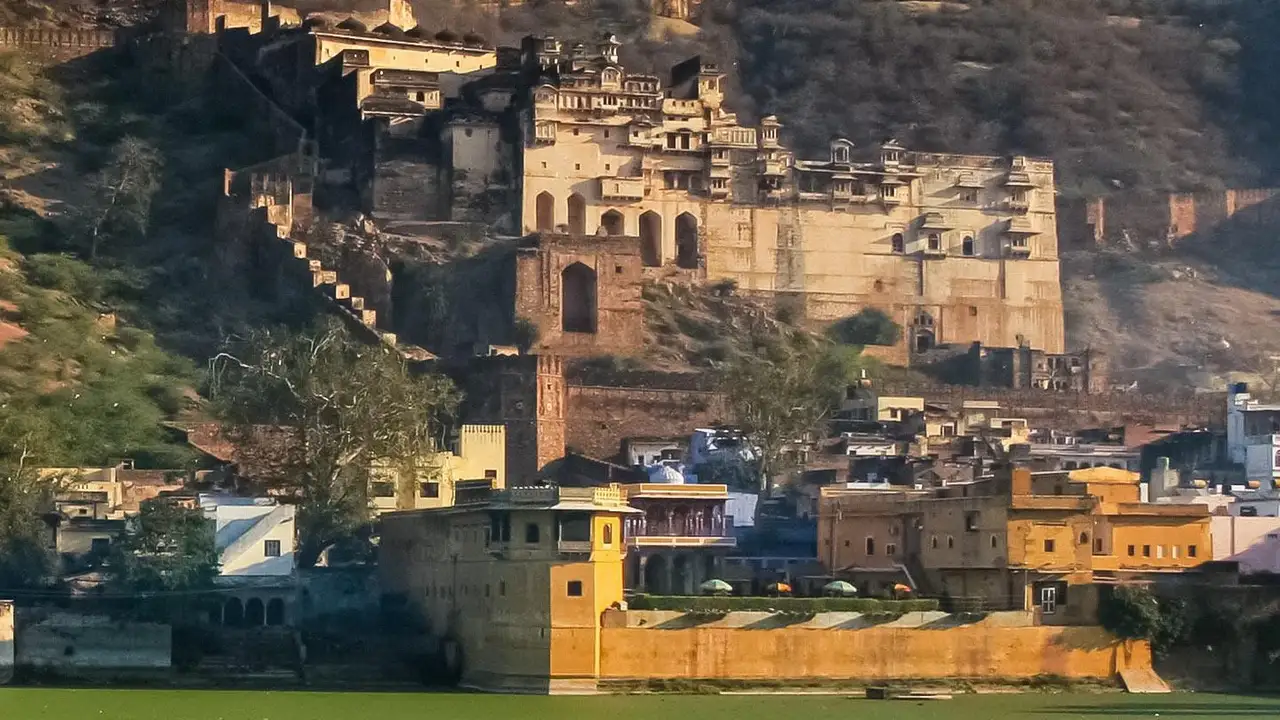
green and vibrant. While western desert areas like Jaisalmer remain arid, the Aravalli Range and regions around Udaipur, Mount Abu, and Kumbhalgarh become lush and inviting. This post-monsoon glow provides a stunning, verdant backdrop to the formidable forts and ancient temples, a contrast many travellers don't associate with the desert state. The lakes are full, the air is clean, and the scenery is refreshed, offering a unique visual treat before the landscape returns to its more typical dry state.
Ideal Temperatures for Exploration
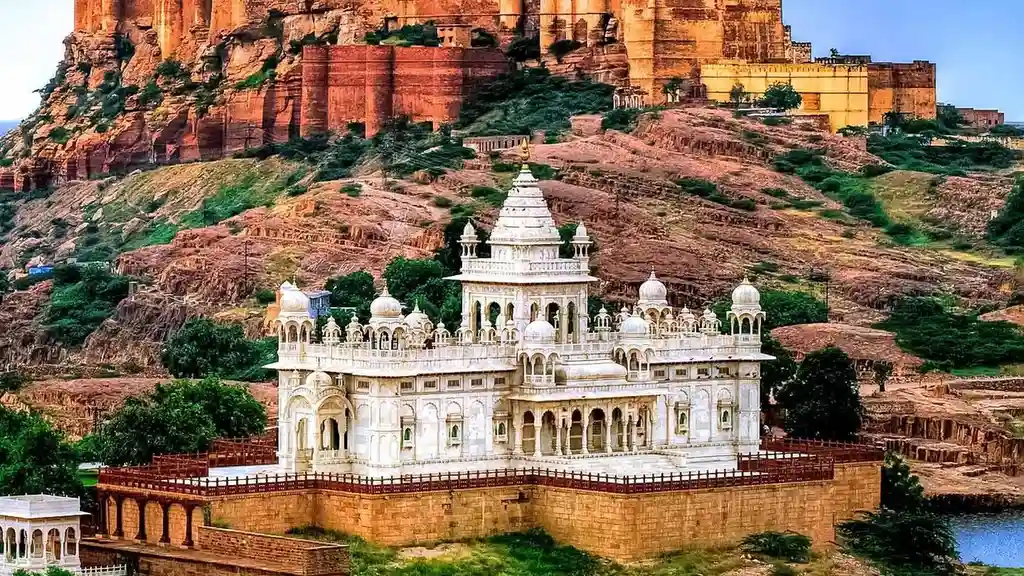
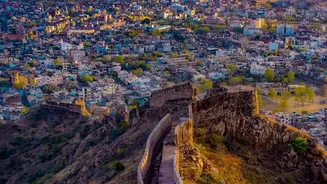
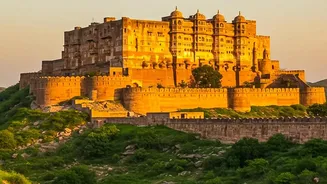
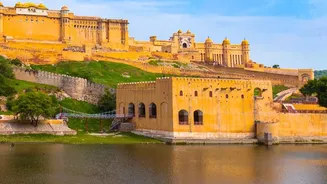
Rajasthan's historic sites are vast and demand hours of walking. Exploring the sprawling Mehrangarh Fort in Jodhpur or ascending the winding paths of Amer Fort in Jaipur can be an exhausting ordeal in the scorching summer heat, when temperatures can soar above 40°C. October, however, ushers in a much more pleasant climate. Daytime temperatures typically hover between a comfortable 25°C and 35°C, while evenings become pleasantly cool, with lows dropping to around 15°C to 20°C. This mild weather allows for long, comfortable days of sightseeing without the draining effects of extreme heat or the high humidity of the monsoon months. You can spend hours wandering through intricate palace courtyards and climbing to the highest ramparts to soak in the views, making the most of your visit.
Clear Skies and Golden Light
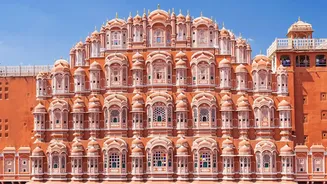
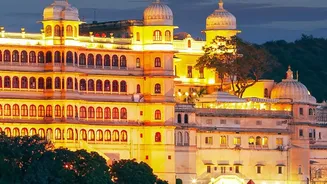
For photographers and anyone who appreciates a beautiful view, October offers near-perfect conditions. The monsoon clouds will have largely dissipated, giving way to clear, sunny skies. The air is free from the dust of summer, providing crisp, unobstructed views from the many hilltop forts that define Rajasthan's landscape. The quality of light during this 'shoulder season' month is also exceptional. The autumn sun casts a warm, golden hue over the sandstone and marble architecture, making landmarks like Jaisalmer's 'Golden Fort' or Udaipur's 'City of Lakes' even more spectacular. Whether you're watching the sunset from Sajjan Garh (Monsoon Palace) in Udaipur or capturing the intricate details of Hawa Mahal in Jaipur, the lighting conditions are ideal.
Shoulder Season Advantages
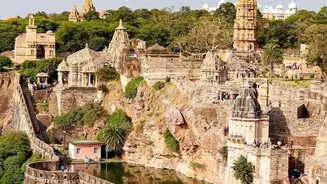
While October marks the beginning of the peak tourist season (which runs until March), it still offers a 'shoulder season' advantage. The major rush of tourists tends to arrive from November through January. By visiting in October, you can often experience the best of both worlds: great weather and slightly fewer crowds at popular sites like Chittorgarh Fort or Kumbhalgarh. While hotel prices begin to climb from their off-season lows, you may still find better availability and slightly more competitive rates than in the absolute peak months. This allows for a more relaxed experience, with more space to appreciate the grandeur of the palaces and a less hurried atmosphere in the bustling bazaars.
A Calendar of Cultural Festivities
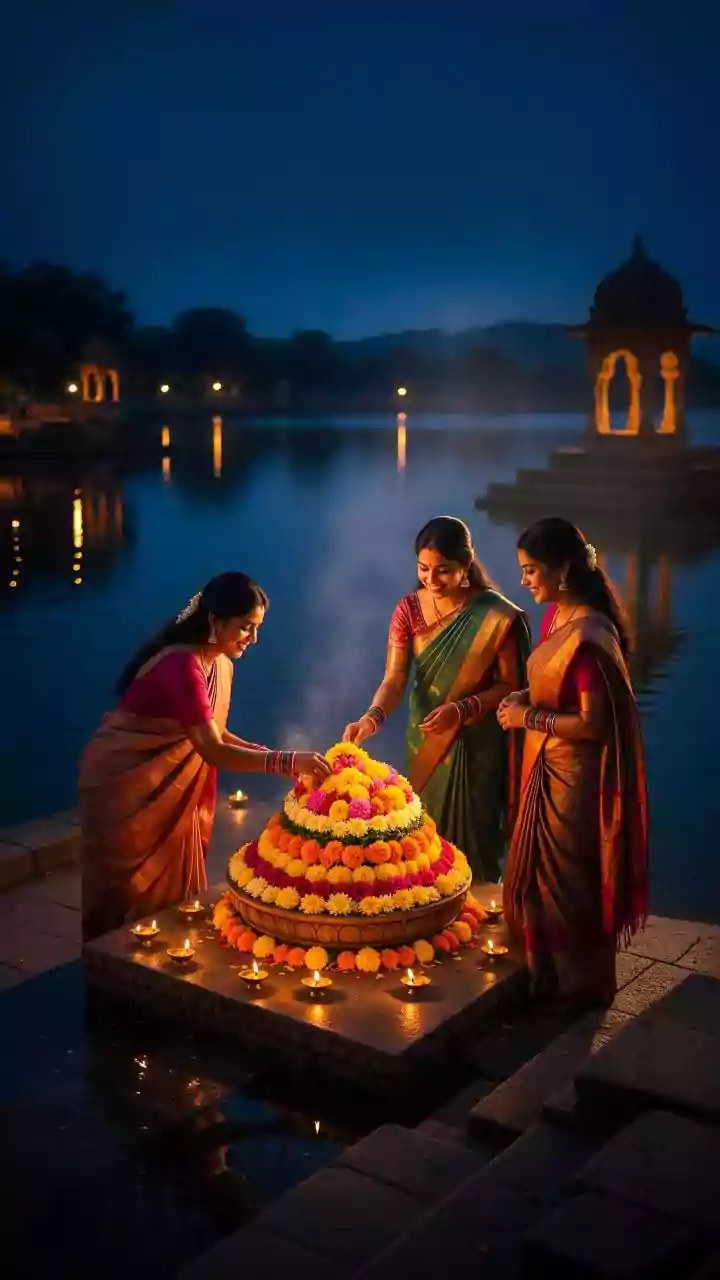
October in Rajasthan is not just about pleasant weather; it's also a time of vibrant cultural celebration. Several important festivals take place during this month, offering travellers a deeper insight into the region's rich heritage. The Marwar Festival in Jodhpur, scheduled for October 24-25 in 2026, celebrates the folk heroes of Rajasthan with traditional music and dance against the backdrop of Mehrangarh Fort. The Abhaneri Festival, held this year on October 12-13 at the ancient Chand Baori stepwell, showcases dynamic folk performances, art, and music. Experiencing these events allows you to see Rajasthan's culture come alive, adding an unforgettable layer to your historical explorations.