
Become a Sunlight Detective
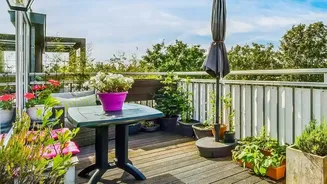
Before you buy a single plant, the most crucial step is to understand the light your balcony actually receives. A space that seems 'bright' may not get enough direct sun for flowering plants. Spend a day observing your balcony at different times. Note
when direct sunlight first hits the floor or railings and when it disappears. Is it gentle morning sun, or intense afternoon heat? This simple observation will tell you how many hours of direct sun your space gets. A plant that needs 'full sun' requires at least six hours of direct, unfiltered sunlight daily. 'Partial sun' or 'partial shade' plants need about three to six hours. Areas that are bright but never get direct rays are perfect for 'full shade' plants. Remember that different parts of your balcony can have different light conditions; the area near the railing might be in full sun while the space near your door is in shade.
The Golden Rule of Watering
The most common mistake in balcony gardening is watering on a fixed schedule. Factors like pot size, wind, and heat can cause one plant to dry out in a day while another stays moist for a week. The best tool for checking moisture is your finger. Stick it about two inches into the soil. If it feels dry, it's time to water. If it's moist, wait another day and check again. When you do water, do it thoroughly until you see water escape from the drainage holes at the bottom of the pot. This ensures the entire root ball gets hydrated. The ideal time to water is early in the morning, which reduces evaporation and allows leaves to dry before nightfall, preventing fungal diseases.
Choosing the Right Plants for Indian Balconies
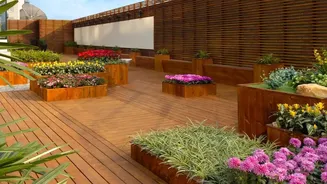
Once you know your balcony's sunlight pattern, you can choose plants that will thrive there. For sunny spots that get over five hours of direct light, consider hardy bloomers like Bougainvillea, Hibiscus, and Marigolds. Kitchen herbs such as Tulsi (Holy Basil), Mint (Pudina), and Curry Leaves also do very well in sunny containers. For balconies with moderate or morning-only sun, leafy greens and some flowering plants like Begonias can be a great choice. For shadier spots with only indirect light, the Money Plant (Pothos) and Spider Plant are excellent, low-maintenance options that add lush greenery. Choosing plants suited to your climate and light conditions is the easiest way to ensure success.
Essential Foundations: Pots and Soil
Great plants can fail in the wrong environment. Two foundational elements often overlooked are pot size and soil type. Always choose pots with drainage holes at the bottom; without them, water will pool and cause root rot, one of the fastest ways to kill a container plant. Also, resist the temptation to use small pots for everything. Larger containers hold more soil and moisture, meaning they don't dry out as quickly on hot, windy days. Finally, never use heavy garden soil in pots. Instead, use a quality potting mix. These mixes are specifically designed to be lightweight, retain moisture while allowing for good drainage, and provide the air space roots need to breathe in a container.
Avoiding Common Balcony Pitfalls
Balconies present unique challenges compared to ground-level gardens. They are often windier and hotter, which can dry out soil and stress plants rapidly. If your balcony is very windy, consider shorter, sturdier plants or provide a trellis for support. Another common issue is overcrowding. While it's tempting to fill the space, placing too many plants close together can hamper air circulation, block sunlight, and make them more susceptible to pests. Finally, be mindful of your neighbours. Ensure water runoff from your pots isn't dripping onto the balcony below by using saucers under your pots. Just be sure to empty any standing water from the saucers after a few minutes to prevent salt buildup and mosquitoes.