
The Building Blocks of Protein
To understand protein quality, we first need to talk about amino acids. Proteins are complex molecules made up of smaller units called amino acids, which are essential for everything from muscle repair to immune function. Our bodies can produce some amino acids, but
there are nine that we cannot make on our own. These are called 'essential amino acids', and we must get them from the food we eat. Foods that contain all nine of these essential amino acids in sufficient quantities are known as 'complete proteins'. While animal products like meat, eggs, and dairy are typically complete proteins, most plant-based foods are not. This is where the concept of protein quality scores, such as the Protein Digestibility Corrected Amino Acid Score (PDCAAS), comes in, measuring how well a protein can be used by the body.
The Plant Protein Puzzle
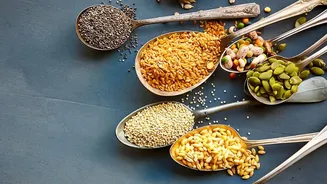
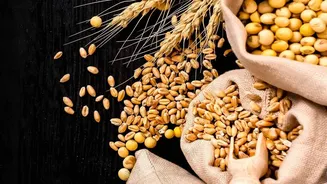
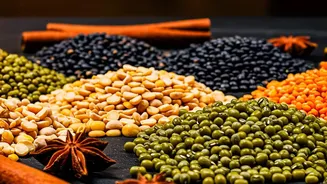
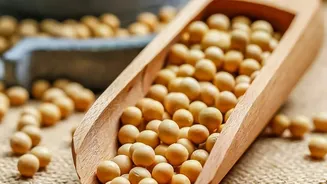
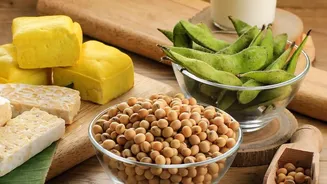
Most individual plant foods are considered 'incomplete' proteins because they are low in one or more essential amino acids. This particular amino acid is referred to as the 'limiting amino acid' because its scarcity limits the body's ability to build its own proteins. Cereal grains—like rice, wheat, and corn—are generally low in the essential amino acid lysine. On the other hand, legumes—a family that includes lentils, chickpeas, beans, and peanuts—are typically low in the essential amino acid methionine. So, while a diet based on just grains or just legumes might fall short in providing a complete amino acid profile, a nutritional synergy is unlocked when they are eaten together.
A Perfect Nutritional Partnership
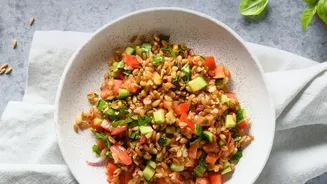
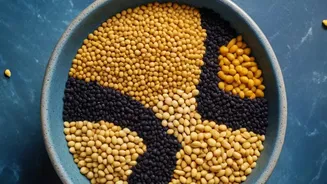
The magic of pairing cereal grains with legumes lies in their complementary nature. The lysine that is lacking in grains is abundant in legumes. Conversely, the methionine that legumes are short on is found in higher quantities in grains. When you combine them, their amino acid profiles complete each other. This combination effectively creates a high-quality, complete protein that provides your body with all nine essential amino acids in the right proportions, similar to what you would get from an animal source. This strategic pairing boosts the overall protein quality of the meal, ensuring your body has all the necessary building blocks for optimal health.
Comforting Combos Indian Kitchens Mastered
This principle of food combining isn't a new-age health trend; it’s ancient wisdom embedded in culinary traditions across India. The most classic example is dal and rice. This humble, comforting meal is a nutritional powerhouse because the lentils (dal) provide the lysine that rice lacks, and the rice provides the methionine that dal is low in. The same logic applies to roti (a cereal grain) eaten with chana masala or any other dal. These pairings, like rajma-chawal or idli with sambar, are not just delicious habits but are also fundamentally smart science, ensuring that vegetarian meals are nutritionally complete and satisfying.
Do You Need to Eat Them in the Same Meal?
For years, it was believed that you had to eat complementary proteins at the same meal to get the benefit. However, modern nutrition science has debunked this myth. Your body maintains a pool of amino acids throughout the day. As long as you consume a varied diet that includes different plant protein sources over the course of a day, your body can pull the necessary amino acids as it needs them. That said, traditional pairings like beans and rice, hummus and pita, or dal and chapati remain a simple and delicious strategy to ensure you're getting a balanced intake without having to overthink it. They make balanced nutrition an intuitive part of your daily meals.