


The Spirit of the Fast
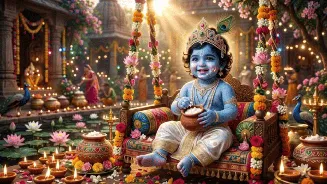
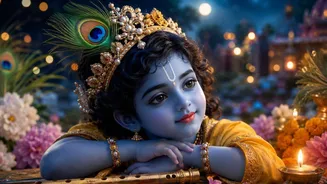
The Janmashtami fast, or 'upvas', is more than just abstaining from food; it is a spiritual practice designed to purify the mind and body. The word 'upvas' itself means to draw closer to the divine. Devotees spend the day in prayer, singing bhajans, and reflecting
on the life and teachings of Lord Krishna. The fast typically begins at sunrise and is broken after the midnight puja, which marks the auspicious time of Krishna's birth. Depending on personal health, family tradition, and devotion, fasts can range from a strict 'nirjala' vrat without food or water to a 'phalahar' fast, where certain foods are permitted.
Permitted Foods for Your Vrat Thali
The diet during a Janmashtami fast is Satvik, meaning it is pure, light, and intended to keep the mind calm and focused. The key is to avoid all grains and cereals. Instead, the fast relies on a specific set of ingredients. Flours like singhare ka atta (water chestnut flour), kuttu ka atta (buckwheat flour), and rajgira atta (amaranth flour) are staples. For carbohydrates, samak ke chawal (barnyard millet), sabudana (tapioca pearls), potatoes, and sweet potatoes are widely used. All fresh fruits are allowed, along with dairy products like milk, curd, ghee, and paneer. For seasoning, regular table salt is replaced with sendha namak (rock salt).
Foods to Strictly Avoid
The list of prohibited foods is just as important as the list of what is allowed. The most significant rule is the complete avoidance of grains like wheat and rice, as well as all lentils and pulses. Onions and garlic are considered 'tamasic'—foods that are believed to create restlessness—and are strictly forbidden in vrat cooking. All non-vegetarian foods, including meat, fish, and eggs, must be avoided. Additionally, alcohol, tobacco, and in some traditions, even tea and coffee, are not consumed during the fasting period. It is also wise to avoid overly processed or heavily fried vrat snacks, as the goal is to maintain a light and pure diet.
Simple Meal Ideas for Your Fast
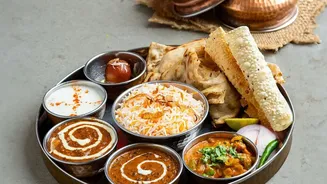
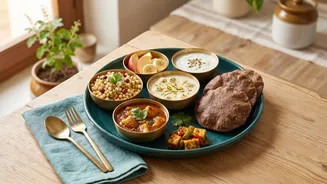
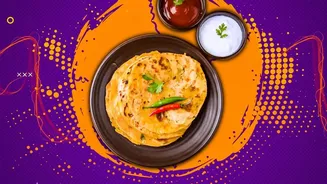
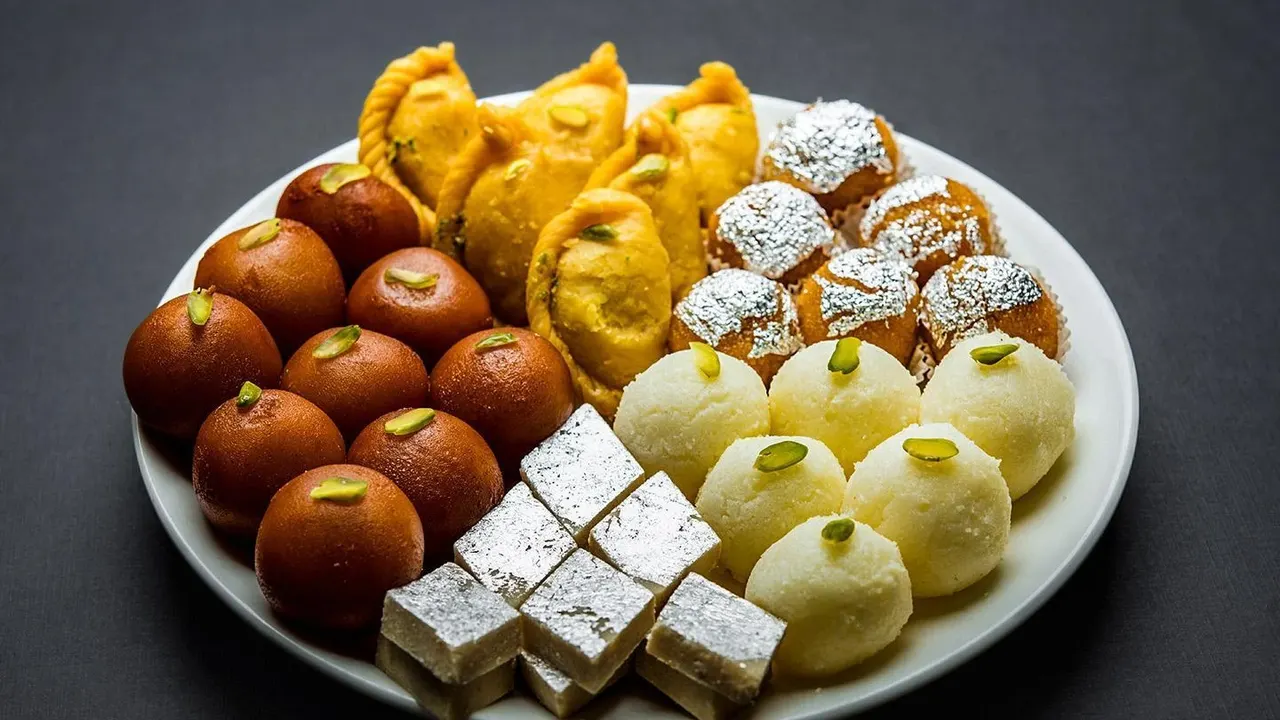
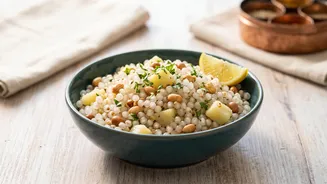
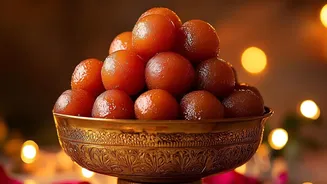
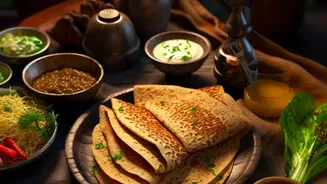
Fasting doesn't have to mean complicated cooking. For a simple and filling meal, you can prepare Sabudana Khichdi, a popular dish made with soaked tapioca pearls, potatoes, and peanuts. Puris or parathas made from kuttu or singhara flour served with a simple potato curry (without onion or garlic) are another common choice. For lighter options, a bowl of fresh fruit chaat, a handful of roasted makhana (fox nuts), or a glass of lassi can keep energy levels stable throughout the day. Many families also prepare sweets like makhana kheer or a halwa made from singhara flour as part of their fasting menu.
Breaking the Fast (Parana)
The fast is traditionally broken after the midnight puja celebrating Krishna's birth. This ritual is known as 'parana'. Devotees first consume the 'prasad' offered during the puja, which often includes Panchamrit (a mix of milk, curd, ghee, honey, and sugar) and fruits. Some people break their fast immediately after the midnight rituals, while others wait until sunrise the next day. It is advisable to break the fast with light foods. Starting with a glass of milk, lassi, or some fruit before moving on to a light meal like sabudana kheer or a simple khichdi is gentle on the digestive system after a day of fasting.