








The Summer King: Mango
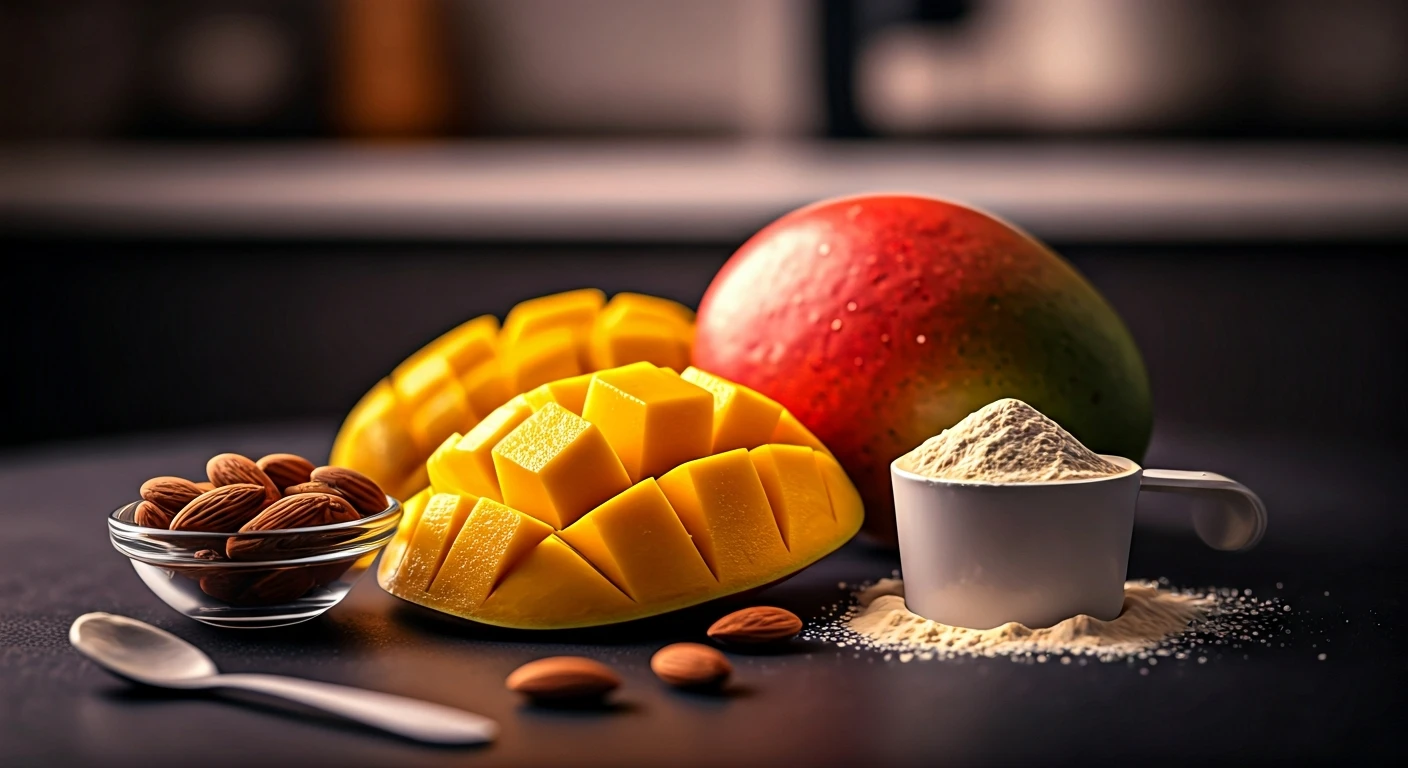
Beyond its irresistible taste, the mango is a treasure trove of heart-healthy nutrients. Available during the scorching summer months, this fruit is rich in fibre, potassium, and magnesium, all of which contribute to cardiovascular wellness. The fibre helps
manage cholesterol levels, while potassium is crucial for balancing sodium in the body, which helps in controlling blood pressure. Mangoes also contain powerful antioxidants like mangiferin, which studies suggest may protect heart cells from inflammation and oxidative stress. Enjoy it sliced fresh, in a smoothie, or as part of a healthy salad, but remember to consume it in moderation due to its natural sugar content.
Monsoon Marvel: Bottle Gourd (Lauki)
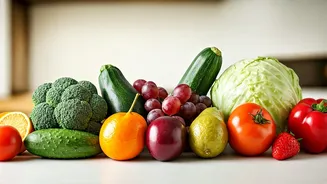
Often overlooked, the humble lauki is a superstar during the monsoon season. With its high water content (about 92%) and minimal calories, it’s excellent for maintaining a healthy weight, which is a key factor in heart health. Bottle gourd is a great source of soluble and insoluble fibre. Soluble fibre helps lower bad cholesterol (LDL), while insoluble fibre promotes good digestion. It also provides small but significant amounts of essential minerals. Its traditionally recommended juice is believed to help in clearing arterial blockages, though more research is needed. Incorporate it into dals, curries, or even koftas for a light yet nutritious meal.
Winter Warriors: Leafy Greens (Saag)
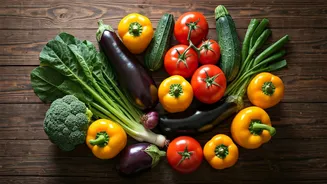
Winter brings a bounty of green leafy vegetables like spinach (palak), fenugreek (methi), and mustard greens (sarson). These greens are nutritional powerhouses, particularly famous for their high concentration of Vitamin K, which is essential for blood clotting and protecting arteries. They are also packed with dietary nitrates, which have been shown to reduce blood pressure, decrease arterial stiffness, and improve the function of the cells lining the blood vessels. A daily portion of saag, whether in a classic curry, dal, or simply stir-fried, is one of the best gifts you can give your heart during the colder months.
The All-Season Star: Tomato
While available year-round, tomatoes have peak seasons where they are most flavourful and nutrient-dense. They are celebrated for being an excellent source of lycopene, a potent antioxidant that gives them their vibrant red colour. Numerous studies have linked a high intake of lycopene with a reduced risk of heart disease, stroke, and high cholesterol. Tomatoes are also rich in Vitamin C and potassium. Cooking tomatoes, for instance in a sauce or soup, can actually increase the bioavailability of lycopene, making it easier for your body to absorb this heart-protecting compound.
Powerhouse Pomegranate (Anaar)
With its jewel-like seeds, the pomegranate is more than just a pretty fruit. It is loaded with unique antioxidants, including polyphenols and punicalagins, which are believed to be more potent than those found in red wine or green tea. These compounds are fantastic for heart health. They help fight inflammation, reduce oxidative damage, and may improve blood flow to the heart. Some research suggests that regular consumption of pomegranate juice can help lower blood pressure and may even help reverse the buildup of plaque in arteries. Sprinkle the seeds over your yoghurt, salad, or just enjoy them by the spoonful.
The Humble Banana
Affordable, convenient, and available throughout the year, the banana is a true heart food hero. Its primary claim to fame is its high potassium content. Potassium is a vital mineral and electrolyte that plays a central role in managing blood pressure. It helps counteract the effects of sodium, easing tension in the blood vessel walls. A diet rich in potassium is a cornerstone of a heart-healthy eating plan. Bananas also provide a good amount of fibre, which aids in cholesterol management. They are the perfect on-the-go snack or a natural sweetener for your morning oatmeal.