








The Search for an Analogue Escape
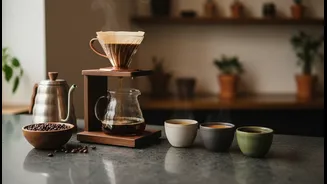
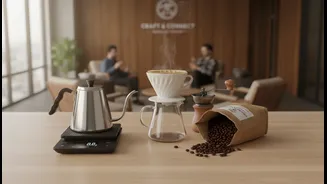
In a world dominated by relentless screen time and digital deadlines, there is a rising premium on analogue, hands-on hobbies. For many high-flying executives, the meticulous process of brewing coffee by hand—whether using a V60, AeroPress, or Chemex—offers
a welcome antidote to a fast-paced corporate life. It's a form of mindfulness disguised as a morning ritual. This is more than just about making a beverage; it’s about engaging in a tactile process that demands patience, precision, and presence. Research and anecdotal evidence show that engaging in such creative hobbies can improve focus and reduce stress, making professionals more effective when they return to their work. This search for an offline, skill-based outlet is the fertile ground from which a new type of networking is growing.
From Shared Passion to Professional Trust
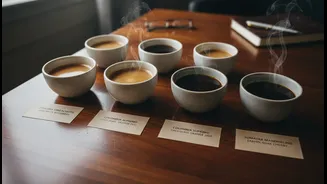
Traditional networking is often transactional. You exchange business cards, deliver your elevator pitch, and hope for a follow-up. Coffee brewing workshops and clubs flip this dynamic on its head. The initial connection isn't based on what you do for a living, but on a shared passion for getting the perfect extraction from a single-origin bean. In these settings, a CEO might be learning from a junior analyst who happens to be a more experienced brewer. This dynamic breaks down traditional hierarchies and fosters a sense of mutual respect. The conversations start with grind sizes and water temperature, but they often evolve into deeper discussions about career paths, problem-solving, and industry trends. The trust built over a shared, non-work-related activity often proves to be more resilient and genuine than connections made in a formal business setting.
The New Golf Course Is a Coffee Bar
For decades, the golf course was the unofficial boardroom where deals were struck. However, golf is time-consuming, expensive, and not accessible to everyone. Specialty coffee culture offers a more inclusive and modern alternative. Coffee workshops are typically more affordable and require a less significant time commitment. Crucially, they take place in a neutral, welcoming environment where people from diverse backgrounds and industries can connect. Unlike alcohol-centric events, coffee fosters sharp, focused conversation. This shift reflects a broader change in professional culture, one that values authenticity and shared experiences over performative socialising. The community aspect is central; clubs and collaborative groups are emerging in cities across India, creating spaces for enthusiasts to connect.
A Language of Craft and Collaboration
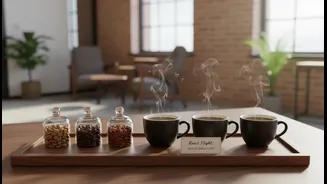
Mastering manual brewing is like learning a new language. It comes with its own vocabulary, techniques, and standards of excellence. This shared knowledge creates a powerful sense of community and a subtle signalling of shared values: attention to detail, a respect for craftsmanship, and an appreciation for quality. When two professionals discover they both appreciate the nuances of a light-roast pour-over, it establishes an immediate and authentic rapport. This connection can become a valuable asset in the business world. It serves as a foundation for collaboration, as it suggests a similar mindset and approach to work. Building a network through a shared hobby like coffee is less about collecting contacts and more about cultivating relationships built on a foundation of genuine, mutual interest.