


Shikoku: The Spiritual Heartland
Often overlooked because it lacks a direct bullet train connection to Tokyo, Shikoku is Japan's smallest main island and arguably its most enchanting secret. For travellers seeking authenticity, Shikoku offers a journey back in time. Its most famous draw
is the 88 Temple Pilgrimage, a 1,200-kilometre route that has been walked by Buddhist pilgrims for centuries. You don’t need to walk the entire month-long trek; visiting a few temples by car or bus provides a profound sense of peace. Beyond the pilgrimage, the island boasts the rugged, mysterious Iya Valley with its thrilling vine bridges, the ancient Dogo Onsen bathhouse in Matsuyama, and Takamatsu's Ritsurin Garden, considered one of the most beautiful landscape gardens in the country. It’s a destination for those who want to experience rural life, stunning nature, and a deep spiritual heritage away from the tourist rush.
The Japanese Alps: Majestic Peaks and Timeless Villages
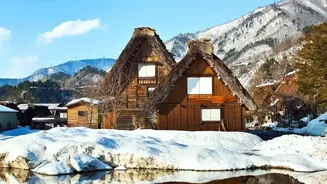
For anyone who thinks of Japan only as sprawling cities, the Japanese Alps in the Chubu region will completely reset your expectations. This is a land of soaring peaks, crystal-clear rivers, and beautifully preserved towns. In cities like Takayama, you can wander through historic streets lined with traditional wooden merchant houses, visit bustling morning markets, and sample delicious Hida beef. Nearby, the UNESCO World Heritage site of Shirakawa-go offers the iconic sight of 'gassho-zukuri' farmhouses with their steep thatched roofs, designed to withstand heavy winter snow. For nature lovers, Kamikochi is a pristine alpine valley offering some of Japan's best hiking, with flat, scenic trails perfect for casual walkers and challenging climbs for serious mountaineers. Connecting these hubs reveals a slower, more traditional side of Japan governed by the seasons.
Tohoku: Rugged Nature and Resilient Culture
The Tohoku region, occupying the northern part of Japan's main island, is a vast expanse of dramatic natural beauty and rich history. It’s a destination for travellers who love the outdoors, with pristine forests, volcanic mountains, and stunning coastlines. The region is famous for its numerous high-quality hot springs, such as the charmingly old-fashioned Ginzan Onsen. History buffs can explore samurai districts in places like Kakunodate, often called 'Little Kyoto'. Tohoku is also known for its vibrant summer festivals, including the Aomori Nebuta Festival with its massive illuminated floats. Visiting Tohoku offers a chance to see a resilient part of Japan and experience a deep connection to nature, from the scenic beauty of Lake Towada to the serene mountain temples of Yamadera.
Kyushu: Volcanoes, Hot Springs, and Global History
As Japan's third-largest island, Kyushu offers a unique blend of subtropical warmth, volcanic activity, and a rich history shaped by international trade. The city of Fukuoka serves as a modern gateway and is celebrated for its incredible food scene, especially its tonkotsu ramen. Further south, the city of Kagoshima is dominated by the awe-inspiring presence of Sakurajima, an active volcano across the bay. The region is also a paradise for onsen lovers, with the town of Beppu famous for its 'Hells', various-colored hot springs for viewing. For a dose of history, Nagasaki provides a poignant and moving look at its past alongside its beautiful harbor views. With lush gorges like Takachiho, world-class pottery towns, and a relaxed atmosphere, Kyushu is a versatile destination that rewards exploration.