

The Art of Mindful Driving
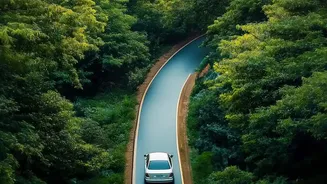
Before you even turn the key, it’s worth understanding what a 'mindful drive' truly means. It’s not about reaching a destination quickly; it’s about being fully present in the journey. This practice involves engaging all your senses: feeling the rhythm
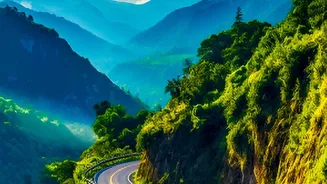
of the road, noticing the changing light as it filters through the trees, and hearing the sounds of nature when you pause. The act of focusing on the road ahead naturally pulls your mind away from daily worries and anchors you in the now. In the serene backdrop of the Western Ghats, a UNESCO World Heritage Site known for its exceptional biodiversity, this simple act transforms into a profound connection with nature. You’re not just a driver; you’re an observer moving through one of the world's 'hottest hotspots' of biological diversity.
Valparai to Athirapally: The Rainforest Route
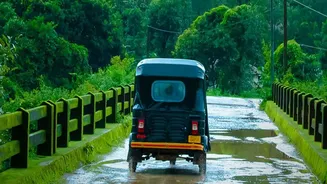
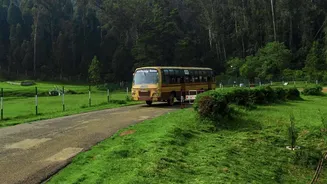
Often hailed as one of South India’s most soul-stirring drives, the 80-kilometre stretch connecting Valparai in Tamil Nadu to Athirapally in Kerala is a journey through a dense, cinematic rainforest. The road, winding through the Anamalai Tiger Reserve, is an active wildlife corridor, demanding a slow and respectful pace. This route isn’t for rushing. It features over 40 hairpin bends and passes through mist-laden tea estates before plunging into deep forest. Mindful tip: The forest department enforces strict rules, including entry timings, to protect the habitat. Embrace this. Use the mandated slow pace to look for the endangered lion-tailed macaque or listen for the call of a Malabar hornbill. Stop at a designated viewpoint like Loam's View Point, turn off your engine, and simply absorb the silence of the ancient forest.
Munnar to Thekkady: The Spice-Scented Hills
This drive of roughly 100 kilometres through Kerala’s Idukki district is a feast for the senses. The journey begins amidst the manicured tea gardens of Munnar, with their signature sweet scent filling the air. As you navigate the winding roads of the Munnar-Kumily Highway, the landscape slowly shifts. The rolling green carpets of tea give way to the more rugged, wilder terrain of the Cardamom Hills. This route is a perfect example of a changing landscape that keeps you engaged. Mindful tip: Instead of just driving past, plan a stop at one of the many spice plantations that dot the route to Thekkady. The aromatic experience of seeing and smelling cardamom, pepper, and cloves growing in their natural environment can ground you in the present moment, making the journey itself a destination.
Chikmagalur to Kudremukh: The Grassland Ascent
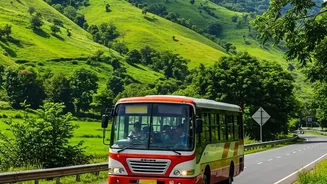
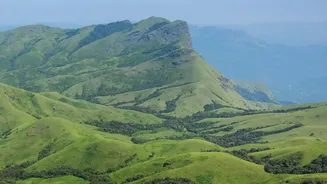
The drive from Chikmagalur, Karnataka's coffee heartland, to the high-altitude grasslands of Kudremukh National Park offers a different kind of beauty. The roughly 100-kilometre journey starts with the comforting aroma of coffee plantations and takes you through the Bhadra Wildlife Sanctuary. As you ascend, the terrain transforms into rolling green hills and shola forests, a unique ecosystem of the Western Ghats. The name 'Kudremukh' means 'horse-face' in Kannada, referring to the shape of a peak that becomes visible on the drive. Mindful tip: The beauty of this route lies in its expansive views. Find a safe spot to pull over, get out of your car, and just watch the clouds drift over the hills. The sheer scale of the landscape offers a powerful sense of perspective, making personal worries feel smaller and more manageable in the face of nature’s grandeur.
Mumbai to Goa: The Coastal Escape
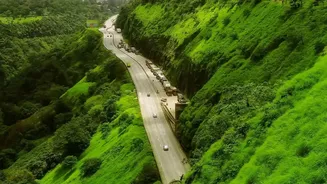
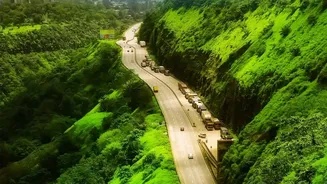
While there's a faster inland highway, the scenic coastal route (NH-66) from Mumbai to Goa is a classic for a reason. This drive of approximately 600 kilometres is a longer, more immersive experience that weaves through the northern part of the Western Ghats, offering glimpses of the Arabian Sea, paddy fields, and quiet Konkan villages. Breaking the journey over two days allows you to explore coastal towns like Ratnagiri or Ganpatipule. Mindful tip: This route is about embracing the slower pace. Instead of focusing on the final destination of Goa, enjoy the small moments: stop for fresh coconut water at a roadside stall, watch a fishing boat head out to sea, or simply appreciate the changing scenery as the ghats meet the coast. The drive itself becomes the holiday.