



Sikkim's Unique Autumn Bloom
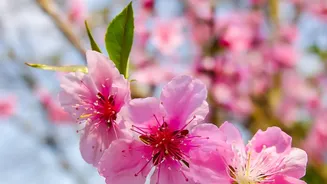
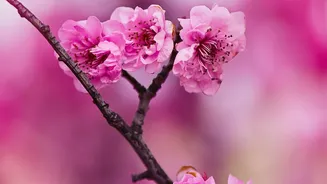
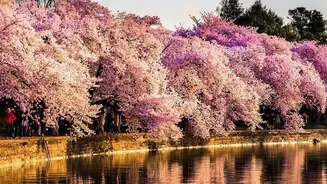
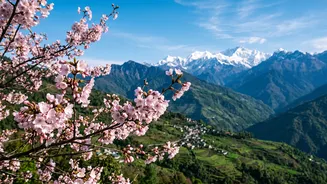
Unlike the famous spring blossoms of Japan, Sikkim's cherry trees, primarily the wild Himalayan cherry 'Prunus cerasoides', put on their breathtaking show in autumn. From late October through November, the rolling hills of South Sikkim, especially around
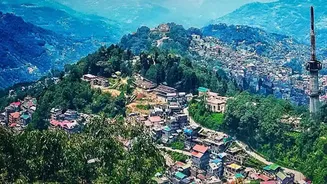
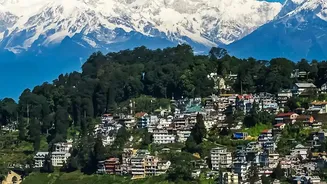
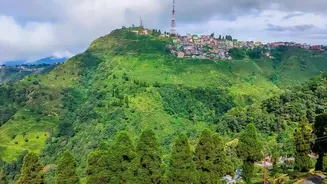
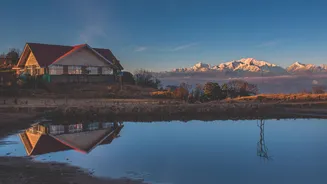
the Temi Tea Garden, are transformed into a postcard-perfect landscape of soft pink flowers against a backdrop of green tea bushes and, on clear days, the magnificent Mount Kanchenjunga. This flowering season is a powerful symbol of renewal and the beauty of impermanence, drawing visitors who seek peace, natural beauty, and unique cultural experiences. The festival is designed to showcase not only this natural wonder but also to promote community-based tourism, offering a platform for local farmers, artisans, and homestay owners.
Festival Schedule and Key Events
The Temi Tarku Tourism Development Committee has confirmed that the main festival will take place from November 25 to November 28, 2026. While some reports noted a longer potential festival period from November 14, the core four-day event is the focus for most cultural activities. Visitors can look forward to a thoughtfully curated programme that blends nature with local traditions. The schedule includes traditional folk dance and music performances, stalls featuring local handicrafts and organic produce, and opportunities to sample authentic Sikkimese cuisine. A key highlight is the Dragon Run 2.0, a marathon scheduled for November 28, organised in collaboration with the 3rd IRBn, Manglay, adding an adventurous element to the festivities.
Where to Experience the Festival
The heart of the festival is the Temi-Tarku region in Namchi district, South Sikkim. The Temi Tea Garden, Sikkim's only tea estate, is the primary venue, where visitors can walk along paths lined with blooming cherry trees. The contrast between the pink blossoms and the meticulously maintained tea slopes is a photographer's dream. Beyond Temi, cherry blossoms can also be spotted along the roads near Ravangla and towards Ralong Monastery. While Gangtok has occasional blossoms, the most concentrated and celebrated displays are firmly in South Sikkim, making Temi the undisputed hub for the festival experience.
Beyond the Blossoms: Culture and Adventure
The Sikkim Cherry Festival is more than just a flower-viewing event; it's a deep dive into local culture and adventure. Organisers have planned a host of activities to engage visitors. Tea tourism is a major attraction, with guided tours of the Temi tea factory and tea tasting sessions. For thrill-seekers, options like paragliding, mountain biking, zip-lining, and horse riding will be available. Cultural immersion is central to the experience, with stalls offering a chance to buy local crafts and taste regional dishes like momos and thukpa. In the evenings, the atmosphere remains lively with bonfires, barbecues, and live music, creating a festive environment for locals and tourists alike.
How to Plan Your Trip
The nearest major airport is Bagdogra (IXB) in West Bengal, approximately a 4-5 hour drive from Gangtok and slightly closer to South Sikkim. The closest railway stations are New Jalpaiguri (NJP) and Siliguri. From these points, you can hire a taxi or take a shared jeep to reach Temi. Given the festival's growing popularity, it is highly advisable to book accommodation well in advance, especially for the dates of November 25-28. Options range from hotels in Namchi and Ravangla to local homestays that offer a more intimate cultural experience. Remember to pack warm layers, as November evenings in the hills can be quite cold. Indian citizens may need a Protected Area Permit (PAP) for certain nearby regions, so it's wise to check current regulations before you travel.