





Feeling that mid-morning slump? The key to all-day energy often lies in your first meal. A breakfast rich in dietary fibre releases energy slowly, keeping you full and focused. Here are five Indian breakfast classics that fit the bill perfectly.
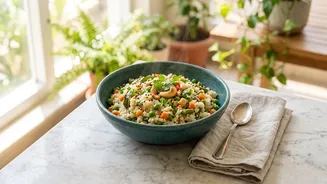
Vegetable Poha
A beloved
breakfast across India, poha, or flattened rice, is light on the stomach but heavy on benefits. When loaded with vegetables and peanuts, it becomes a well-rounded meal. The fibre comes from both the flattened rice and the added vegetables like peas, onions, and carrots. This combination of complex carbohydrates and fibre ensures a gradual release of sugar into the bloodstream, preventing the sudden energy crash associated with sugary breakfasts. Peanuts not only add a delightful crunch but also contribute protein and healthy fats, which further slow down digestion and prolong satiety. For an extra health kick, a squeeze of lemon juice on top helps your body absorb the iron present in poha.
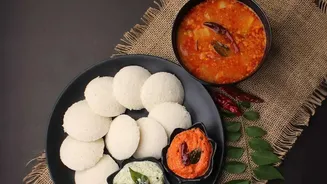
Oats Idli
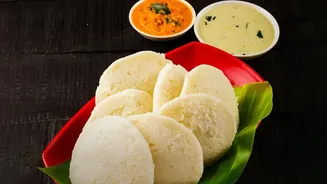
This is a modern, healthier take on the traditional South Indian idli. By replacing some or all of the rice with oats, you significantly increase the meal's fibre content. Oats are famous for a type of soluble fibre called beta-glucan, which is excellent for heart health as it can help lower bad cholesterol. This fibre also makes the idlis more filling and aids in better blood sugar control. Since the batter for oats idli typically includes yoghurt and doesn't always require fermentation, it's a gut-friendly option that can be prepared relatively quickly. Adding grated carrots, peas, or spinach to the batter not only enhances the flavour and texture but also adds to the overall vitamin and fibre content.
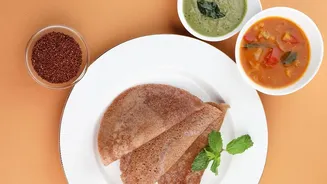
Besan Chilla
The humble besan chilla, a savoury pancake made from gram flour (besan), is a powerhouse of protein and fibre. Gram flour itself is made from chickpeas, which are naturally high in both nutrients. A single 100g serving of besan can contain around 11g of dietary fibre. This high fibre and protein content makes the chilla incredibly satiating, helping to curb mid-morning hunger pangs. It is also a low-glycemic food, meaning it has a minimal impact on blood sugar levels, providing you with stable and sustained energy. You can easily boost its nutritional value by adding finely chopped vegetables like spinach, onions, tomatoes, or bell peppers directly into the batter.
Sprouted Moong Salad
For a breakfast that requires no cooking, a sprouted moong salad is an excellent choice. The process of sprouting dramatically increases the nutritional value of the moong beans (mung beans), making them richer in vitamins, minerals, and enzymes. Sprouts are an incredible source of dietary fibre and plant-based protein, which work together to keep you feeling full and energised for hours. The fibre aids digestion and helps maintain a healthy gut. A simple sprout salad can be made by mixing sprouted moong with chopped onions, tomatoes, cucumber, and a light dressing of lemon juice and spices. This breakfast is not only refreshing but also low in calories and packed with life-giving nutrients.
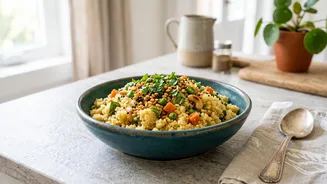
Vegetable Upma
A classic comfort breakfast, upma can be a fantastic high-fibre meal when prepared thoughtfully. Traditionally made with roasted semolina (suji or rava), its fibre content is significantly boosted by the generous addition of vegetables. Incorporating carrots, beans, peas, and corn transforms it from a simple carbohydrate dish into a nutrient-dense meal. The complex carbohydrates from the semolina combined with the fibre from the vegetables ensure a slow and steady release of energy. For an even healthier version, you can make upma using broken wheat (daliya) or millets like bajra, which are naturally higher in fibre than semolina and offer a host of other health benefits.