




Moong Dal: The Digestive Hero
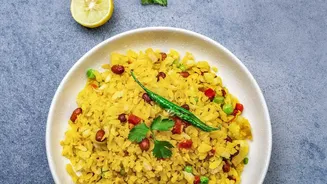
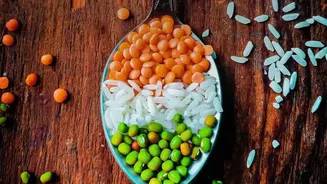
During the monsoon, our digestive system tends to become sluggish. Moong dal is an excellent staple for this season because it is exceptionally light and easy to digest compared to other lentils. Incorporating it in the form of simple dals, soups, or the classic
khichdi provides essential protein without burdening your gut. A warm bowl of khichdi, made with moong dal, rice, and digestive spices like cumin and ginger, is considered an ideal, nourishing meal for a rainy day.
Turmeric and Ginger: The Immunity Duo
The rainy season is notorious for the spread of infections like the common cold and flu. Turmeric and ginger are two powerful spices that should be mainstays in your monsoon kitchen. Turmeric contains curcumin, a compound with potent anti-inflammatory and antioxidant properties that help bolster the immune system. Ginger is known for its ability to soothe a sore throat, aid digestion, and fight infections with its anti-inflammatory effects. Adding these to your daily cooking, or enjoying them in a warm herbal tea, can help your body defend against seasonal illnesses.
Garlic: The Antimicrobial Powerhouse
Garlic is another essential staple for strengthening your body's defences during the monsoon. It is rich in a compound called allicin, which is known for its powerful antimicrobial and immune-boosting properties. Regularly including garlic in your dals, vegetable preparations, and soups can help your body fight off the bacteria and viruses that are more prevalent in the damp weather. Its warming nature also helps balance the body during the cool, rainy days.
Seasonal Gourds: Light and Hydrating
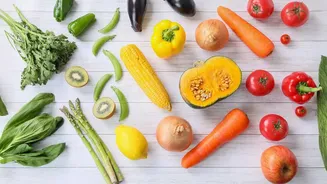
While it's wise to be cautious with raw vegetables, certain cooked seasonal vegetables are perfect for the monsoon. Gourds like lauki (bottle gourd), turai (ridge gourd), and parwal (pointed gourd) are highly recommended. These vegetables have high water content and are rich in fibre, making them easy to digest. Steaming or cooking them in a simple curry helps retain their nutrients while ensuring they are safe to eat, providing nourishment without being heavy on the stomach.
Barley and Old Grains: For Better Digestion
According to Ayurveda, old grains like barley (jau) and aged rice are beneficial during the rainy season. Barley is light, easy to digest, and has diuretic properties that can help with water retention, a common issue during humid weather. These grains can be used to make porridge, rotis, or added to soups. They provide sustained energy and support a digestive system that is naturally weaker during this time.
Buttermilk and Probiotics: For Gut Health
A healthy gut is the foundation of a strong immune system. Probiotic-rich foods like homemade curd and buttermilk (chaas) are excellent for maintaining a healthy balance of gut bacteria. These good bacteria help improve digestion and prevent common stomach issues like bloating and indigestion that can flare up during the monsoon. A glass of buttermilk with a pinch of roasted cumin and black salt makes for a refreshing and gut-friendly drink.
A Note on Foods to Be Cautious With
While enjoying the rains, it's equally important to know what to limit. It's generally advised to avoid or be careful with leafy green vegetables, as the moisture and soil can make them a breeding ground for germs. It's also best to steer clear of street food, pre-cut fruits, and very oily or heavy meals, as they can easily lead to stomach infections and indigestion. Always opt for freshly cooked, warm meals to ensure safety and support your digestion.