






From PSA to Personal Skit
For decades, dengue awareness was a top-down affair. Think government-issued newspaper ads showing how to prevent mosquito breeding or somber TV commercials detailing symptoms. While well-intentioned, these formal public service announcements (PSAs) often
struggled to connect with younger, digital-native audiences. Now, the conversation has been inverted. Instead of a centralized authority broadcasting a single message, thousands of creators are making dengue content that is personal, funny, and specific to their own communities. This new wave includes everything from short-form video skits about the drama of a falling platelet count to memes that are only understood if you live in a specific water-logged neighborhood. It's a move from formal instruction to informal, shared experience.
The Rise of Hyper-Local Humor
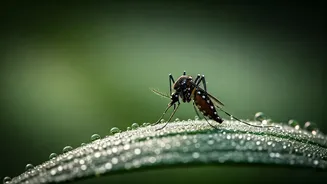
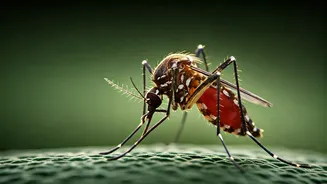
This shift is part of a larger trend in India's internet landscape: the explosion of hyper-local content. As internet access spreads deeper into Tier-2 and Tier-3 cities, users are demanding content that reflects their own lives, languages, and inside jokes. A generic, pan-Indian campaign just doesn't hit the same way as a meme in a local dialect about a specific local problem. When it comes to dengue, this means content that acknowledges the unique anxieties of the season. Creators are making reels about the sudden ubiquity of papaya leaf juice, jokes about every friend turning into a medical expert, and relatable skits about the terror of seeing a single mosquito indoors during monsoon season. This content feels more authentic because it comes from within the community, not from an advertising agency.
A Coping Mechanism for a Stressed Generation
On the surface, making jokes about a serious, and sometimes fatal, disease might seem strange. But for many Gen Z and Millennial creators and consumers, humor is a powerful coping mechanism. Younger generations in India are increasingly proactive about their physical and mental health, comfortable discussing topics that were once taboo. This new brand of 'gallows humor' around dengue serves multiple purposes. It demystifies the illness, making it a shared, manageable challenge rather than a terrifying, isolating experience. It also functions as a form of peer-to-peer education. A funny reel about checking for stagnant water can be more memorable and shareable than a dry government pamphlet.
The Platelet Count Obsession
At the center of this new content wave is a national obsession: the platelet count. Thrombocytopenia, or a low platelet count, is a key indicator of dengue's severity. A normal count ranges from 150,000 to 450,000; in dengue patients, this can drop below 100,000 and, in critical cases, below 20,000. This clinical marker has been transformed into a cultural touchstone. Memes track the rise and fall of platelet counts like stock market tickers. Skits dramatize the frantic search for platelet-boosting foods and the collective sigh of relief when the numbers start to climb. While doctors caution that the platelet count is just one factor among many, its journey has become the central narrative arc in the modern story of a dengue infection.
Awareness vs. Misinformation
While this boom in user-generated content is creating awareness on an unprecedented scale, it's not without risks. For every helpful, funny skit, there's a post spreading unverified claims about miracle cures. A Burson report noted that 53% of Indian Gen Z face challenges with misleading health information online. The line between a joke about papaya leaf juice and presenting it as a scientifically proven cure can be blurry. Public health officials, who have been focused on large-scale awareness campaigns, now face a new challenge: how to engage with this decentralized, chaotic, but incredibly influential world of local content without stifling its power. The goal is to harness the authenticity of these new voices while ensuring accurate information prevails.