
Start with the Breath
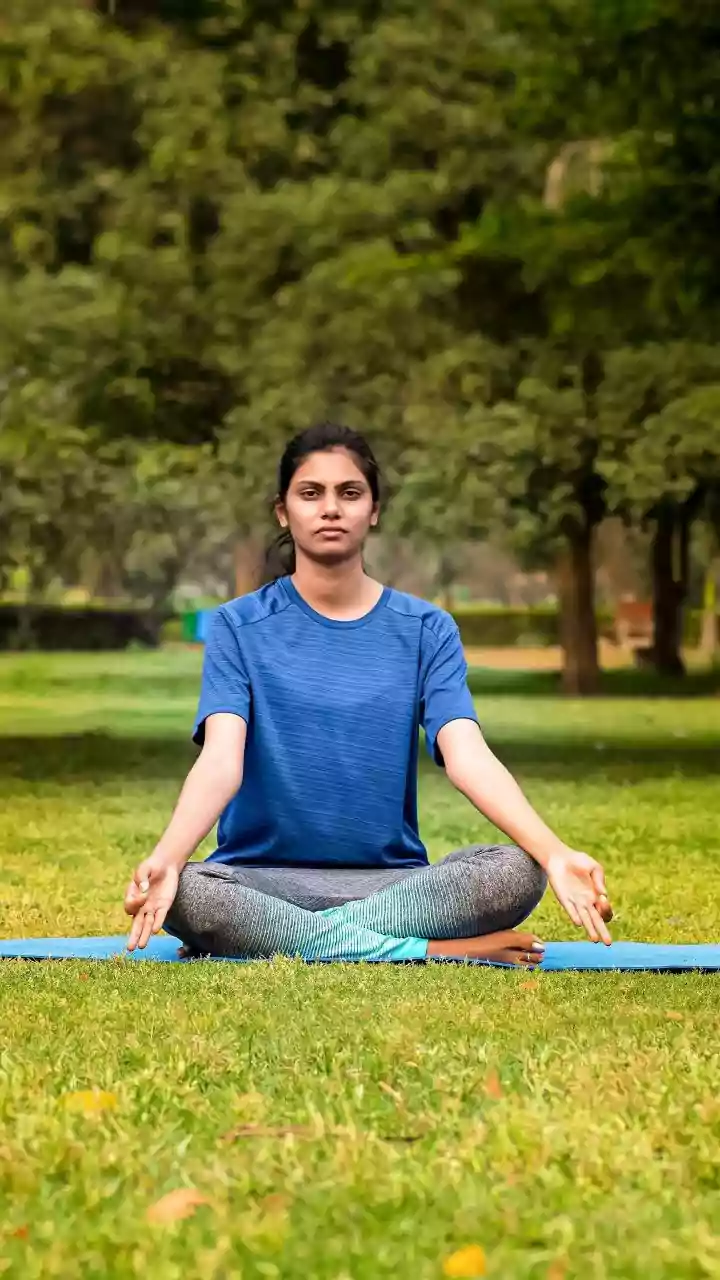
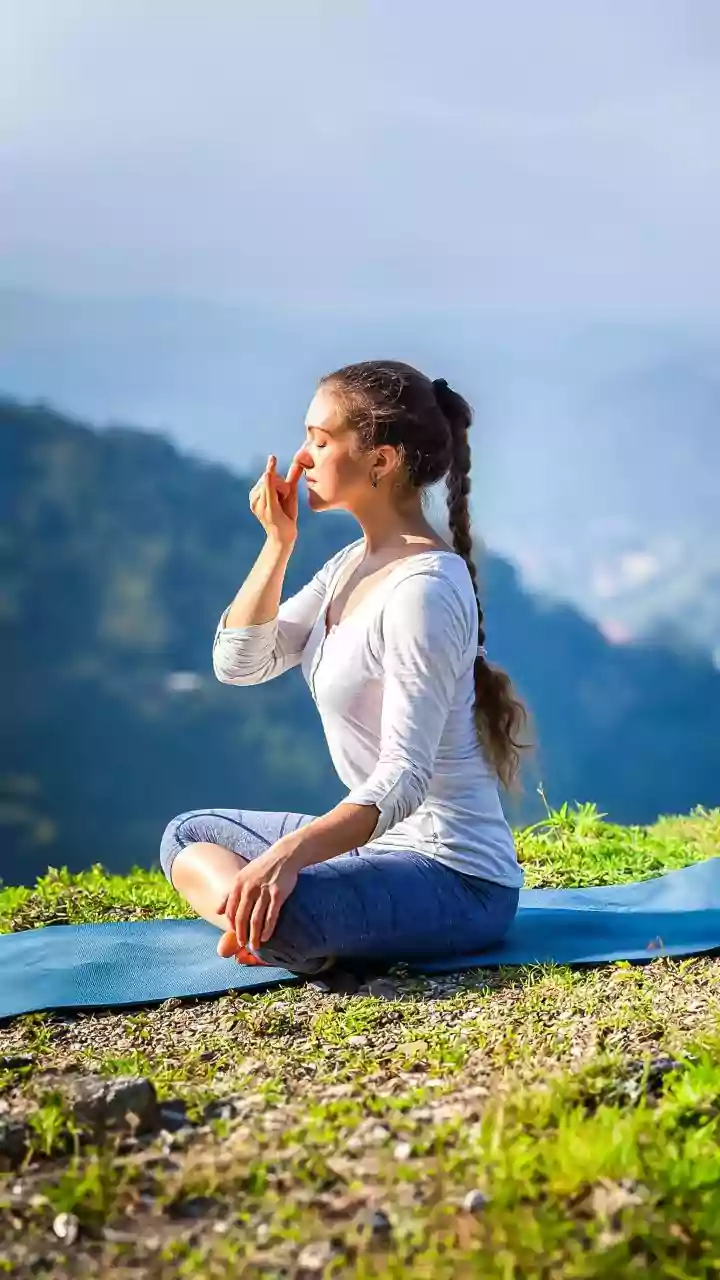
Before jumping into poses, the first step is to focus on breathing. Yogic breathing techniques are proven to calm the nervous system and clear a racing mind. A simple exercise is belly breathing. Have your teen sit or lie down comfortably. Ask them to place
one hand on their chest and the other on their belly. Inhale slowly through the nose, feeling the belly rise more than the chest. Exhale slowly, feeling the belly fall. Repeating this for just a few minutes can significantly lower stress levels.
Mountain Pose (Tadasana)
This foundational pose seems simple but is highly effective for grounding and improving posture after hours of slouching over books. Stand tall with feet together or hip-width apart. Press your feet firmly into the floor and lengthen your spine, imagining a string pulling the crown of your head upward. Relax your shoulders down and back. Hold for 30 seconds, breathing deeply. It enhances oxygen flow, which helps clear mental fog and makes the brain more alert and responsive.
Cat-Cow Stretch (Marjaryasana-Bitilasana)
A perfect stretch to relieve tension in the back and neck. Start on your hands and knees in a tabletop position. As you inhale, drop your belly, lift your chest and tailbone, and look forward (Cow Pose). As you exhale, round your spine toward the ceiling, tuck your chin to your chest, and press into your hands (Cat Pose). This dynamic movement increases spinal flexibility and releases stored tension, which can help decrease feelings of anxiety.
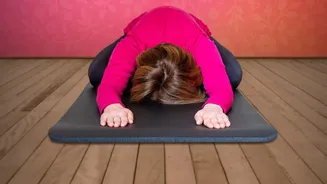
Child's Pose (Balasana)
Child's Pose is a deeply restorative posture that calms the mind and gently stretches the back, hips, and thighs. From your hands and knees, bring your big toes to touch and sit back on your heels, separating your knees wide. Fold forward, resting your torso between your thighs and your forehead on the floor. This pose has been proven to calm the body and mind, making it an excellent choice when feeling irritated or overwhelmed.
Tree Pose (Vrksasana)
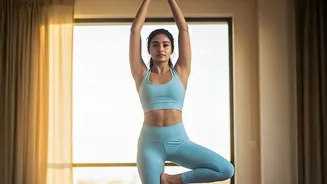
Balancing poses are excellent for improving concentration because they require your full attention. Stand on one leg and place the sole of your other foot on your inner ankle, calf, or thigh (avoiding the knee). Bring your hands to a prayer position at your chest. Focusing your gaze on a single, unmoving point in front of you helps steady the body and, in turn, the mind. This physical balancing act directly translates to mental discipline.
Seated Forward Bend (Paschimottanasana)
This pose provides a deep stretch for the hamstrings and spine while having a profoundly calming effect on the nervous system. Sit on the floor with your legs extended straight out in front of you. Inhale to lengthen your spine, and exhale as you hinge at your hips to fold forward over your legs. You don't need to touch your toes; just let your head and neck relax. This action helps to soothe the mind and relieve mild stress.
Legs-Up-the-Wall Pose (Viparita Karani)
A wonderfully passive and restorative pose to do after a long day of studying. Sit with one hip against a wall, then pivot to swing your legs up the wall as you lie back on the floor. Your body should form an 'L' shape. This pose helps to calm the nervous system, reduce fatigue, and alleviate tension in the legs and lower back. Rest here for 3 to 5 minutes to feel the full restorative effects.