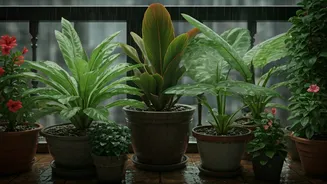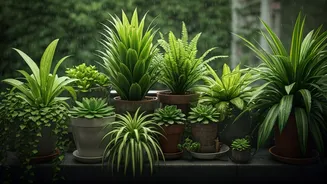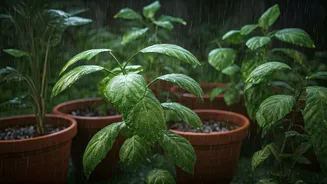


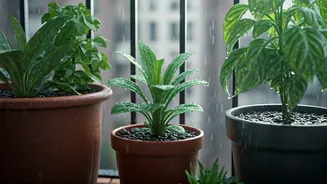


Prioritise Perfect Drainage
Waterlogging is the number one enemy of potted plants during the monsoon, leading to root rot. The first and most crucial step is to ensure your pots have excellent drainage. Before the heavy rains begin, check that every container has at least one, preferably
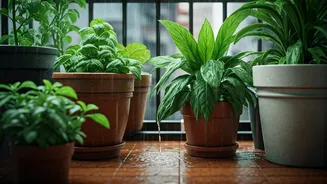
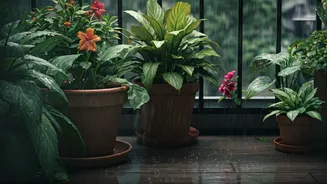
multiple, clear drainage holes at the bottom. If a pot’s holes are blocked, use a stick or screwdriver to clear any compacted soil or roots. A simple but effective trick is to elevate your pots using bricks, pot feet, or small stands. This small gap allows excess water to escape freely and increases airflow, preventing the pot from sitting in a puddle. During this season, it’s best to remove any saucers or drip trays from underneath the pots, as they tend to collect stagnant water, which can drown roots and become a breeding ground for mosquitoes.
Adjust Your Watering Schedule
It may seem counterintuitive, but you still need to think about watering during the rainy season. The key is to avoid overwatering. Monsoon rains are often sufficient, so you must adjust your routine. Always check the soil before you reach for the watering can. A simple finger test works best: insert your finger about an inch into the soil. If it feels dry, you can water lightly. If it’s damp or wet, leave it alone. Plants in pots that are sheltered from direct rain will still need watering, but less frequently due to the high humidity. Watering in the morning is preferable as it gives the plant foliage time to dry out before evening, reducing the risk of fungal growth.
Choose the Right Soil and Nutrients
The ideal soil for the rainy season is a light, well-draining mix. Heavy, clay-based soils retain too much water and can become compacted. A good potting mix often contains garden soil, compost, and a material like cocopeat or perlite to improve aeration and drainage. Constant, heavy rain can wash essential nutrients out of the soil in pots. To counteract this, you'll need to replenish them, but timing is key. It's better to use slow-release organic fertilisers like vermicompost or well-rotted manure during the monsoon. Apply a small amount every few weeks. These release nutrients gradually and improve soil structure without the risk of burning the roots, which can be more sensitive in waterlogged conditions.
Provide Shelter and Support
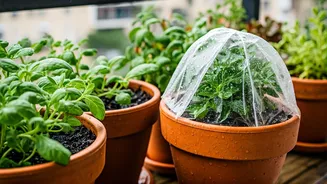
Strong winds and torrential downpours can physically damage your plants, breaking stems and tearing leaves. If possible, move more delicate plants, like succulents or those with fragile stems, to a sheltered part of the balcony that is protected from direct, heavy rain and wind. For larger plants that cannot be moved, consider providing support by staking them. Simple bamboo stakes can prevent tall plants from snapping in strong gusts. For a more comprehensive solution, you can install temporary rain shields like transparent plastic sheets or garden umbrellas during particularly intense storms.
Watch for Pests and Diseases
The high humidity and damp conditions of the monsoon create a perfect breeding ground for fungal diseases and pests. Regularly inspect your plants, paying close attention to the undersides of leaves. Look for common signs of trouble like white powdery mildew, black spots, or yellowing leaves. Pests like aphids, mealybugs, slugs, and snails also become more active. To improve air circulation and reduce the risk of infection, give your plants enough space and prune any dead or overcrowded branches. A preventive spray of neem oil solution every 10-15 days can act as a natural fungicide and pest repellent, keeping many common issues at bay.