







The Hidden Dangers of Damp
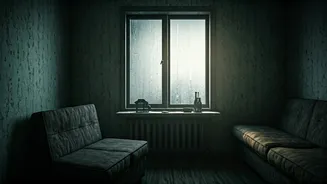
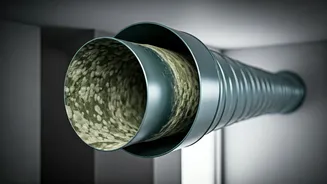
Those damp patches are more than just a cosmetic issue. They create a breeding ground for mould and mildew, which release microscopic spores into the air. Inhaling these spores can trigger allergies, asthma attacks, and other respiratory problems. Studies
have shown that prolonged exposure to damp indoor environments can lead to conditions like allergic rhinitis, frequent sneezing, and even weaken the immune system, with children and the elderly being particularly vulnerable. Beyond health concerns, persistent moisture can damage the structural integrity of your walls, warp wooden furniture, and ruin your belongings.
First Step: Identify the Source
Before you can treat the damp, you need to play detective. The source of the moisture often falls into one of three categories. The first is condensation, which happens when warm, moist air meets a cold surface, common in poorly ventilated kitchens and bathrooms. The second is rising damp, where groundwater seeps up through the foundation and lower walls. The third is penetrating damp, caused by external water getting in through cracks in walls, leaky roofs, or faulty plumbing. Look for tell-tale signs: condensation appears as misty windows or dark spots on walls, while penetrating damp often leaves localised patches after rainfall.
Improve Ventilation and Airflow
One of the most effective and simplest strategies is to let your house breathe. Stagnant air traps humidity, creating the perfect environment for mould. Make it a habit to open windows and doors for at least 15-20 minutes daily, especially during drier parts of the day, to encourage cross-ventilation. Use exhaust fans in kitchens and bathrooms to expel steam and moisture. Even a simple act like keeping a small gap between furniture and walls can significantly improve air circulation and prevent moisture from getting trapped.
Actively Reduce Indoor Humidity
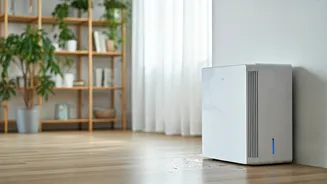
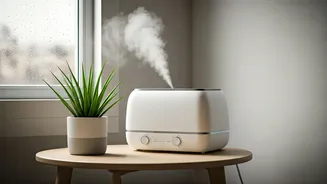
During the peak of the monsoon, ventilation alone might not be enough. This is where a dehumidifier becomes an invaluable tool. These appliances work by drawing moisture out of the air, collecting it as water in a tank, and releasing drier air back into the room. Maintaining an indoor humidity level below 60% is ideal for preventing mould growth. For a more low-tech approach, you can place natural moisture absorbers like bowls of rock salt or charcoal in damp corners, cupboards, and bathrooms; they work by drawing excess moisture from their immediate surroundings.
Clean Mould and Mildew Safely
If you already see black or green spots, it's crucial to clean them properly to prevent them from spreading. For small areas, you can use a DIY solution of equal parts white vinegar and water. Spray the solution on the affected area, let it sit for about an hour, and then scrub it with a brush. A solution made from tea tree oil and water is also a potent natural antifungal. When cleaning, always wear gloves and a mask to avoid inhaling spores that get disturbed. After scrubbing, wipe the area clean and ensure it is completely dry to prevent regrowth.
Consider Long-Term Solutions
For recurring or severe issues, you may need to look at more permanent fixes. Inspect your home's exterior for cracks in the plaster and seal them before the monsoon begins. Applying a coat of high-quality waterproof paint on external walls creates a barrier against rainwater. For terraces and roofs, elastomeric or polyurethane liquid membranes are highly effective as they form a seamless, flexible layer that prevents water from seeping through. While these solutions require a bigger investment, they provide long-term protection and peace of mind, saving you from the annual cycle of repairs and worry.