







What is 'Clean Label' Culture?
At its heart, the clean label movement is a consumer-driven push for transparency and simplicity. It began with a desire to avoid artificial additives, preservatives, and ingredients with chemical-sounding names. Today, it has evolved to embrace foods
that are minimally processed and made with a short list of recognisable, “kitchen cupboard” ingredients. In India, this trend is rapidly gaining ground, with a growing number of health-conscious consumers checking labels not just for nutrition, but for ingredient simplicity and honesty. This isn't just a niche preference anymore; it's a fundamental shift in how people view food, associating natural products with being healthier and more trustworthy.
The Golden Standard: Grass-Fed Butter
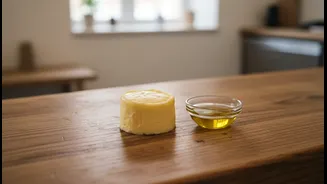
In the world of clean labels, grass-fed butter is a star player. Its appeal is simple: it comes from cows that graze on grass, which is seen as a more natural diet compared to the grain-based feeds used in conventional dairy farming. This natural image is a huge draw for clean-label enthusiasts. Proponents point to a superior nutritional profile, noting that grass-fed butter often contains more healthy fats like Omega-3s and Conjugated Linoleic Acid (CLA). It's also richer in beta carotene, which gives it a deeper yellow colour and is a precursor to vitamin A. Beyond nutrition, bakers and chefs often prize it for the rich flavour and creamy texture it imparts, creating a flakier, more decadent final product that many vegetable oils can't replicate.
The Usual Suspects: Common Vegetable Oils
The fats that grass-fed butter is replacing are typically highly processed vegetable oils like palm, soybean, or canola oil. While affordable and versatile, these oils are often seen as the antithesis of the clean label philosophy. Many are refined, bleached, and deodorized to create a neutral taste and stable shelf life, processes that health-conscious consumers are increasingly wary of. The debate around seed oils also includes concerns about their high ratio of Omega-6 to Omega-3 fatty acids, which some believe can contribute to inflammation. While these oils are incredibly efficient for large-scale baking, their industrial processing and lack of a “natural” story make them a target for removal by brands aiming for a cleaner image.
The Cafe's Crossroads: Cost and Practicality
For a small cafe or local bakery, switching from vegetable oil to grass-fed butter is not a simple decision. The first and most significant hurdle is cost. Grass-fed butter can be two to three times more expensive than conventional butter, and significantly pricier than bulk vegetable oils. This cost difference must either be absorbed by the business, shrinking already-thin margins, or passed on to the customer. Beyond price, there are practical challenges. Butter has a lower smoke point, meaning it burns more easily, which can be an issue for certain cooking methods. It also requires refrigeration and can change the texture and structure of baked goods. A recipe designed for liquid oil cannot simply have butter swapped in; it often needs complete reformulation to achieve the right consistency and rise.
A Question of Value and Values
Ultimately, the decision to use grass-fed butter is as much about branding and values as it is about baking. For cafes, it’s a way to signal quality and align with a customer base that prioritises health and transparency. By making the switch, they can justify a premium price point and build loyalty with consumers who are willing to pay more for products that meet their standards. This trend forces cafe owners to ask tough questions: Who are our customers, and what do they value? Can we afford to make this change, and can our customers afford the price increase it may require? The rise of clean label culture shows that for many, the story behind the food—and the ingredients in it—are becoming just as important as the taste.