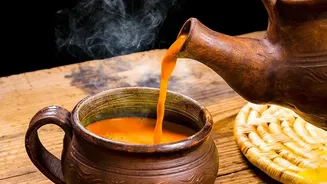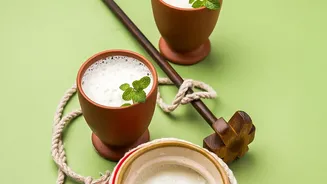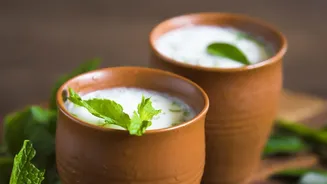

Move over, colas and cocktails. At modern Indian gatherings, a colourful and nostalgic beverage trend is taking centre stage, pulling from the wisdom of our grandmothers’ kitchens. The stars are authentic sharbats and tangy kanji.
A Sip of Tradition and Nostalgia
For generations, the
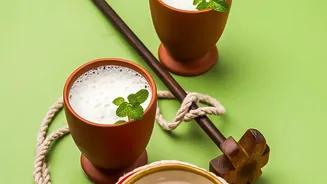
arrival of summer in India was heralded not by advertisements, but by the preparation of homemade drinks designed to cool the body and delight the senses. Sharbats—syrupy concentrates made from fruits, flowers like rose, or herbs like sandalwood—were a staple of hospitality, offered to every guest as a welcoming gesture. Originating in ancient Persia and popularised in India during the Mughal era, these drinks are deeply woven into the cultural fabric. Similarly, kanji, a tangy, savoury fermented drink traditionally made from black carrots and mustard seeds, is a seasonal fixture, especially around Holi. For many, the taste of a rose sharbat or a glass of kanji is a direct link to childhood memories, evoking a sense of comfort and rootedness that manufactured beverages simply cannot replicate.
The Modern Quest for Authenticity
In an era dominated by global brands and homogenous flavours, there is a growing desire for authenticity and products with a story. Serving sharbat or kanji at a party today is a conscious choice to reject the generic in favour of something unique and culturally significant. It’s a statement that says the host has put thought into the details, offering guests an experience rather than just a refreshment. This trend aligns with a broader movement in food and drink, where consumers are increasingly drawn to regional heritage and local ingredients. These traditional beverages, with their deep history and diverse regional variations—from Kokum in the west to Buransh in the Himalayas—offer a rich tapestry of Indian flavours.
Wellness in a Glass
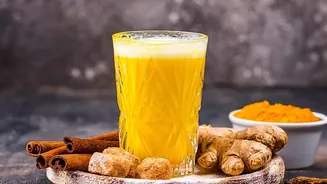
The resurgence of sharbats and kanji is also perfectly timed with the global wellness movement. As consumers become more health-conscious, they are actively moving away from sugary, carbonated soft drinks and artificial juices. Traditional Indian beverages present a compellingly healthy alternative. Sharbats made from real ingredients like bael (wood apple) or khus (vetiver) are known for their natural cooling properties. Kanji is a probiotic powerhouse, celebrated for its benefits to gut health and digestion. This fermented drink is rich in beneficial bacteria and vitamins, making it a functional beverage that supports immunity—a quality highly sought after by today's health-aware consumer.
Vibrant, Visual, and Versatile
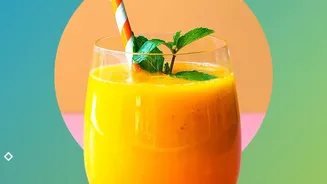
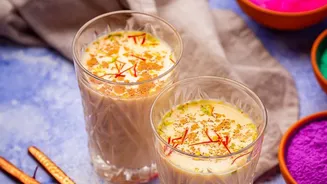
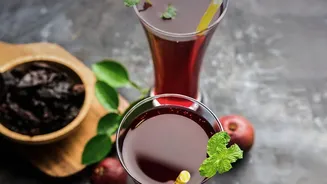
Beyond taste and health, these drinks have a strong visual appeal. The deep purple of a black carrot kanji, the delicate pink of a rose sharbat, or the vibrant green of an aam panna are naturally beautiful and incredibly 'Instagrammable'. In a social media-driven world, the aesthetic of food and drink is a crucial part of the social gathering experience. Caterers and hosts are presenting these drinks in elegant glassware with artisanal garnishes, transforming them into a feast for the eyes. Moreover, their versatility is a major draw. While delicious on their own, they are also being used as creative bases for modern mocktails and cocktails, blending traditional Indian flavours with contemporary mixology.