




The Old Guard of Greasy Creams
Not long ago, the sunscreen aisle offered limited choices, most of which felt completely at odds with India’s hot and humid climate. Thick, oily creams were the standard, leaving a heavy layer that felt suffocating under the sun. For a population with predominantly
melanin-rich skin, the most frustrating side effect was the notorious “white cast”—a visible, ashy or purplish film left by older physical blockers like zinc oxide. This cosmetic inconvenience, combined with the greasy texture that could clog pores and trigger breakouts, meant that even those who knew about the dangers of sun exposure often skipped this crucial step. Sunscreen was seen as a seasonal product for a beach holiday, not a year-round necessity.
A Cultural Shift in Sun Protection
Several factors converged to challenge the status quo. Firstly, a surge in awareness around sun damage, including pigmentation, premature ageing, and skin cancer, has taken root. Dermatologists and social media influencers have been instrumental in educating consumers that sun protection is vital for everyone, regardless of skin tone. Secondly, the global influence of K-beauty (Korean beauty) and J-beauty (Japanese beauty) introduced the concept of cosmetically elegant sunscreens—products that feel as good as they protect. This inspired both consumers and brands to demand more. Sunscreen is no longer just a shield; it's an integral part of a sophisticated skincare routine.
What 'Comfort' in Sunscreen Really Means
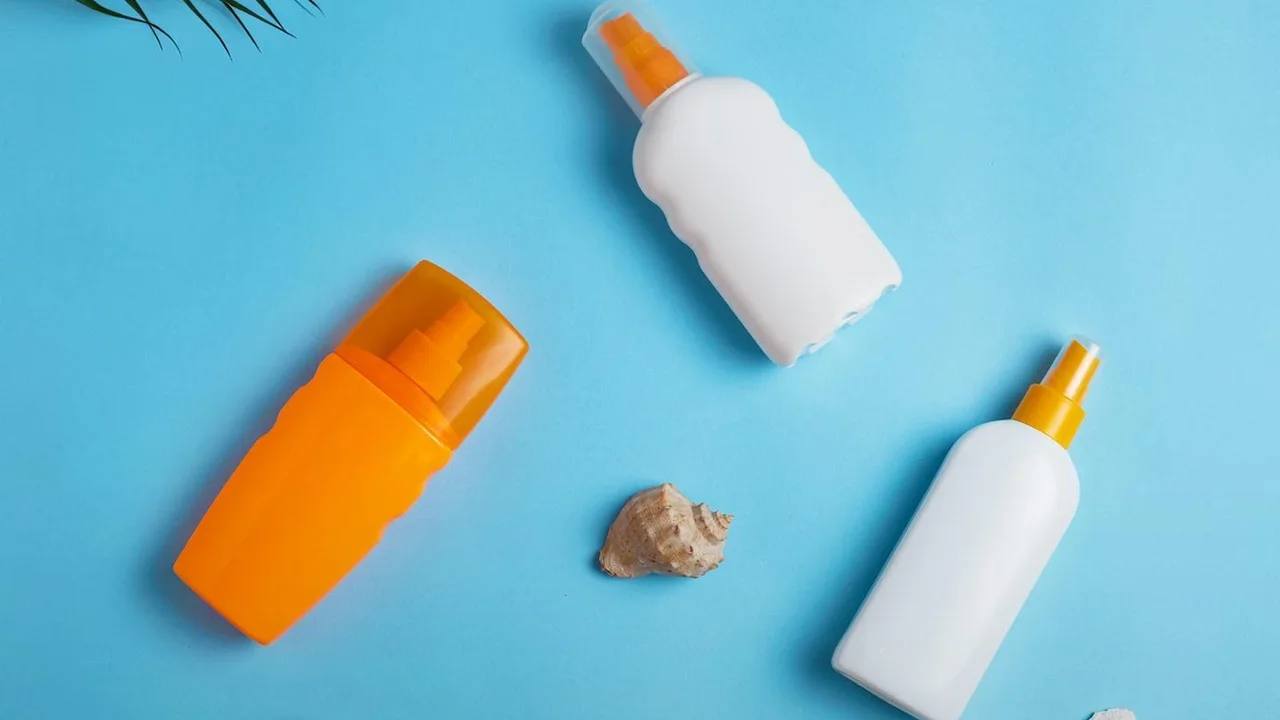
The new definition of a comfortable sunscreen is one you forget you’re wearing. This comes down to innovative formulations that have flooded the market. Gel-based and water-based sunscreens offer a cooling, lightweight feel that absorbs quickly, making them ideal for oily and acne-prone skin in humid conditions. Serum sunscreens represent another leap forward, combining the featherlight texture of a serum with high SPF protection, often with no white cast at all. These formulas are designed to feel invisible. Even formats are changing, with sunscreen sticks and mists making reapplication throughout the day easier and more convenient than ever before. The goal is to make daily use effortless, because as dermatologists agree, the best sunscreen is the one you’ll actually use consistently.
Indian Brands Are Leading the Revolution
While international brands played a role, it's India's homegrown, direct-to-consumer (D2C) brands that have truly capitalized on this demand for comfort. Companies like Dr. Sheth's, Aqualogica, The Derma Co, and Minimalist have been agile in creating products specifically for Indian skin types and climates. They have pioneered the 'skinification' of suncare, blending sun protection with popular skincare actives like niacinamide to control oil, hyaluronic acid for hydration, and vitamin C for brightening. This multi-tasking approach simplifies routines and provides added value, turning sunscreen into a treatment step. By offering these advanced formulas at accessible price points, Indian brands have made high-quality, comfortable sun protection available to a much wider audience.
How to Find Your Perfect Match
With so many options, choosing the right sunscreen can feel overwhelming. Dermatologists generally recommend a broad-spectrum formula with at least SPF 30, and ideally SPF 50 with a PA++++ rating, to provide robust protection against both UVB and UVA rays. Beyond that, it’s all about texture and your skin type. If you have oily or acne-prone skin, look for labels like “gel,” “oil-free,” and “non-comedogenic.” Those with dry skin might prefer more hydrating lotion or cream formulas that contain ingredients like ceramides. For sensitive skin, mineral sunscreens with modern, non-chalky finishes are a great choice. The key is to find a product you genuinely enjoy applying every single morning.