





The Plastic Problem in Your Parcel
The convenience of food delivery has an undeniable environmental cost. Industry estimates suggest that food delivery aggregators in India can generate tens of thousands of metric tons of plastic waste each month. This single-use plastic, from containers
to cutlery, contributes significantly to India's overall plastic waste, which totals around 3.5 million tonnes annually. Much of this waste ends up in landfills or pollutes waterways, taking hundreds of years to decompose and harming ecosystems. In response to growing environmental concerns and changing consumer preferences, platforms are now looking for viable, large-scale alternatives.
What Exactly Is Sugarcane Bagasse?
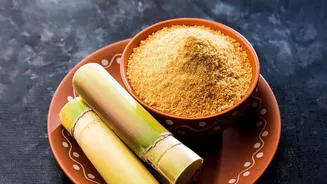
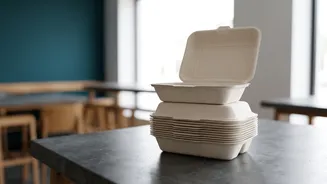
Sugarcane bagasse is the dry, fibrous residue that remains after juice is extracted from sugarcane stalks. Instead of being discarded or burned as agricultural waste, this byproduct is now being repurposed. The process involves turning the fibrous pulp into a paste, which is then molded under high heat and pressure to create sturdy, food-safe containers, bowls, plates, and trays. This transforms a waste product into a valuable resource, creating a more circular economic model. As India is a major sugarcane producer, the raw material is abundant, making it a logical choice for a home-grown sustainable solution.
The Benefits of a Greener Container
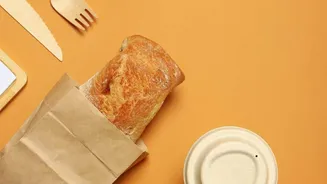
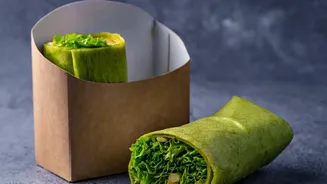
The primary advantage of bagasse packaging is its environmental friendliness. Unlike plastic, it is fully biodegradable and compostable, breaking down naturally within a few months under the right conditions. It is also surprisingly versatile. Bagasse containers are lightweight yet durable, and they are naturally resistant to grease and moisture, which is essential for transporting a variety of Indian dishes. Furthermore, they are microwave and freezer safe, offering a level of convenience comparable to their plastic counterparts. For businesses, adopting bagasse reinforces a commitment to sustainability, which can attract environmentally conscious customers.
Platforms Leading the Change
Major players like Zomato are actively encouraging this transition. Through its 'Plastic-Free Future' program and the recent launch of 'PackSwitch', Zomato is helping restaurant partners find and adopt sustainable packaging alternatives. PackSwitch is an interactive platform that helps restaurants select the right type of sustainable packaging—including bagasse, paper, and glass—for specific dishes and connects them with verified suppliers. As of early 2026, over 10,000 restaurants had joined the initiative, collectively delivering more than 100 million orders in low-plastic packaging. These platforms now often feature a filter or tag allowing users to specifically choose eateries that use eco-friendly packaging.
Hurdles on the Horizon
The switch is not without its challenges. One of the main concerns is cost, as sustainable packaging can be 10% to 30% more expensive for restaurants than traditional plastic. Another significant hurdle is the supply chain. While India produces vast amounts of sugarcane, a large percentage of the bagasse is used for captive power generation by sugar mills, leaving only a fraction for downstream industries like packaging. This can lead to raw material shortages and price increases, limiting production capacity. Ensuring consistent quality and durability, especially for very hot or liquid-heavy foods, is another area of focus for manufacturers.