
From Problem to Premier Finish
For years, monsoon home care was a battle against the elements. Homeowners dreaded the damp walls, peeling paint, warped wooden furniture, and the musty odours that came with persistent humidity. The solutions were often purely functional, sacrificing
style for the sake of survival. However, a significant shift is underway. Driven by innovations in material science and a growing design consciousness, Indian homeowners and interior designers are no longer treating monsoon-proofing as a compromise. Instead, they are embracing durable, moisture-resistant materials as the foundation of beautiful interiors. This trend moves beyond temporary fixes and towards creating homes that are resilient, low-maintenance, and stylish all year round.
Floors That Fight Humidity
Flooring bears the brunt of high foot traffic and atmospheric moisture. While traditional solid hardwood often warps and swells in damp conditions, modern alternatives offer both aesthetic appeal and robust performance. Vitrified and porcelain tiles are leading the charge. Manufactured to be dense and non-porous, they are highly resistant to water, stains, and scratches, making them ideal for Indian homes where daily mopping is common. Large-format tiles are particularly popular, as fewer grout lines create a seamless, expansive look that is also easier to clean. For those who love the warmth of wood, engineered wood and luxury vinyl flooring (LVF) provide a stable, moisture-resistant alternative that mimics the look of natural timber without the risk of warping.
Stylish Walls That Breathe Easy
Damp, patchy walls are a classic monsoon woe, often leading to mould and peeling paint. While exterior waterproofing is the first line of defence, interior wall treatments have evolved far beyond a simple coat of paint. Decorative laminates and PVC wall panels are gaining immense popularity, especially for feature walls. These materials are completely waterproof, easy to wipe down, and available in a vast array of finishes, from realistic wood and stone textures to sleek, high-gloss colours. For a more artisanal and seamless look, materials like micro-cement are being used to create durable, waterproof surfaces on walls that exude a modern, minimalist charm. These finishes eliminate the problem of dampness at its source while adding significant textural interest to a room.
Rethinking Furniture and Finishes
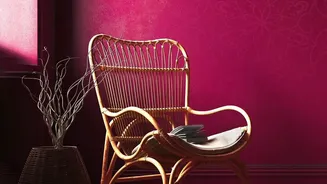
The monsoon season can be particularly unkind to wooden furniture, causing it to swell and joints to loosen. The decor shift addresses this by championing materials that are less susceptible to humidity. Powder-coated metal furniture, particularly in iron or aluminium, offers a sleek and durable alternative for pieces like coffee tables, shelves, and chair frames. For cabinetry, wardrobes, and other storage units, high-quality waterproof plywood with laminate or acrylic finishes is now the standard. These engineered surfaces are scratch-resistant, stain-resistant, and won't delaminate in humid conditions, ensuring furniture looks pristine for years. They come in countless colours and textures, allowing for complete design freedom.
Accessorising for the Season
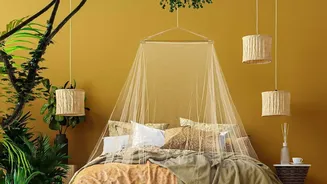
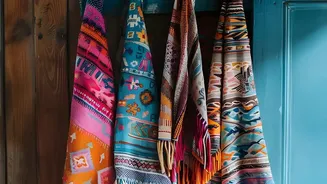
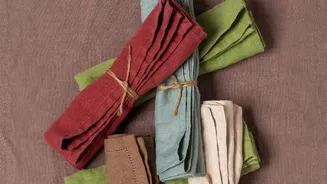
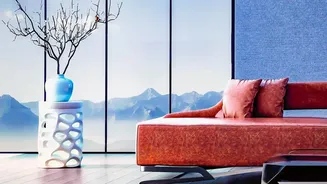
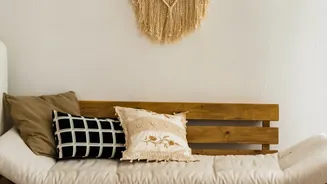
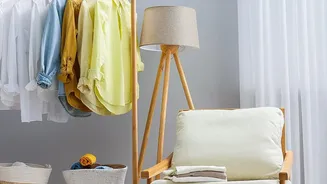
Smart decor choices extend to the accessories that complete a room. During the monsoon, it's wise to swap out heavy, moisture-absorbing textiles for lighter options. Sheer or lace curtains are a great choice as they allow light to filter through on gloomy days and dry quickly. Instead of thick wool rugs that can harbour dampness, consider washable cotton dhurries or even leaving floors bare to show off the beautiful, easy-care tiles. To combat the grey skies, introduce pops of bright colour through cushion covers in vibrant shades like turquoise, orange, or mustard yellow. Finally, scented candles or diffusers with fresh fragrances can help combat musty smells and create a cosy, inviting atmosphere.