



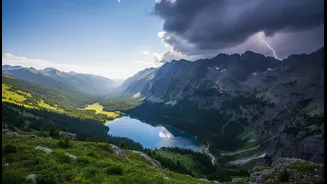


The Monsoon Mountain Dilemma
For travellers, the Indian monsoon is a double-edged sword. It transforms landscapes into lush, emerald wonderlands, but it also makes travel to popular hill stations in states like Himachal Pradesh and Uttarakhand extremely risky. News reports from July
2026 confirm this, detailing how torrential rains have triggered devastating landslides, blocked national highways, and disrupted normal life. In Uttarakhand, over 120 roads were reported blocked, with a significant portion of the Yamunotri National Highway washed away. Similarly, Himachal Pradesh has seen bridge collapses and landslides in areas like Shimla and Kinnaur, making road travel a dangerous gamble. This recurring, weather-driven disruption forces many to shelve their mountain travel plans, waiting for a safer season.
Ladakh’s High-Altitude Secret
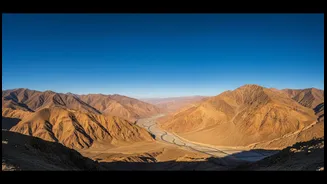
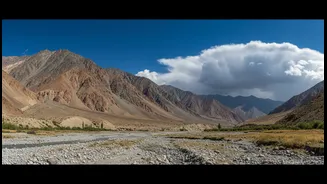
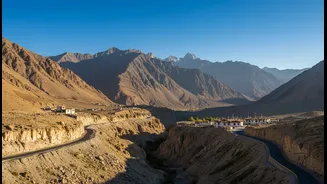
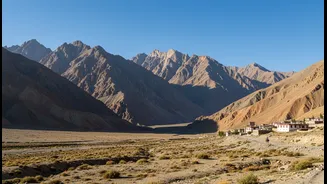
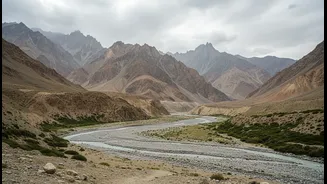
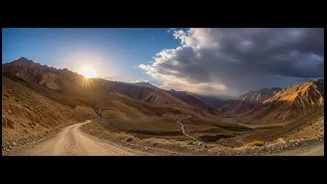
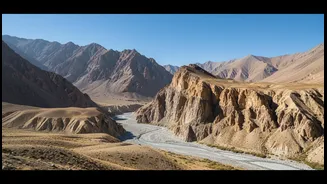
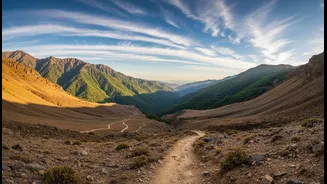
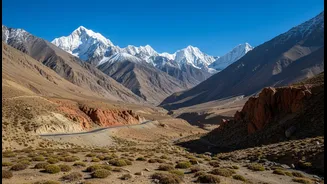
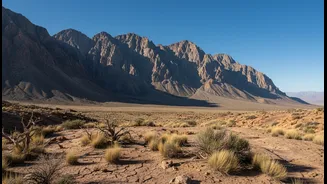
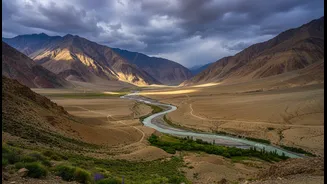
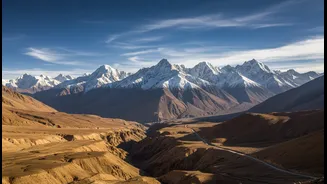
In stark contrast, Ladakh, often called the 'Land of High Passes', offers a serene and secure alternative during these very months. Situated at an average altitude of over 3,000 meters, it's a high-altitude cold desert. This isn't just a poetic nickname; it's a geographic reality. The reason Ladakh stays arid and accessible is a phenomenon known as the "rain-shadow effect." The colossal Himalayan range to its south acts as a massive barrier, preventing the moisture-laden monsoon clouds from reaching the region. While the rest of the country experiences downpours, Ladakh remains sunny and dry, receiving less than 100 mm of rainfall annually.
What is a Rain Shadow?
Imagine the Himalayas as a giant wall. As the southwest monsoon winds, heavy with moisture from the Indian Ocean, travel north, they collide with this wall. Forced to rise, the air cools, and its moisture condenses, falling as heavy rain on the southern, windward side of the mountains—where states like Uttarakhand and Himachal Pradesh lie. By the time this air mass crosses over the towering peaks to the other side (the leeward side), it has lost almost all its moisture. This dry air descends over Ladakh, warming up and creating the arid, desert-like conditions the region is famous for. This makes Ladakh a rain-shadow zone, a geographical marvel that directly translates into a major travel advantage during the monsoon months.
The Traveller's Advantage
This unique climatic condition makes July and August the peak summer season in Ladakh, offering some of the best travel weather of the year. For visitors, the benefits are immense. While the approach roads via Manali and Srinagar can face monsoon-related challenges like landslides in their lower sections, Ladakh proper remains largely unaffected. Once you are inside the region, internal roads to popular destinations like Nubra Valley and Pangong Lake are typically open and clear. This reliability means you can plan trekking, photography, and sightseeing without the constant threat of being stranded by weather. The clear, sunny days provide perfect lighting for photographers seeking to capture the stark, breathtaking landscapes, while the pleasant daytime temperatures, hovering around 25°C, are ideal for exploration.