




What Exactly Is El Niño?
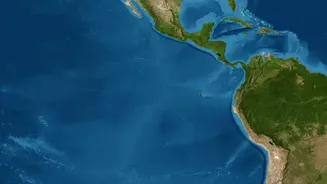
Think of El Niño as a large-scale climate pattern that starts thousands of kilometres away in the Pacific Ocean. It’s a naturally occurring phenomenon characterized by the unusual warming of sea surface temperatures in the central and eastern parts of the equatorial
Pacific. These warmer waters disrupt the normal atmospheric circulation, weakening the typical east-to-west trade winds. This change might seem remote, but it sets off a domino effect that alters weather patterns across the globe, and its influence on India’s southwest monsoon is particularly significant.
The El Niño-Monsoon Connection
Historically, El Niño events have been linked to weaker and more erratic Indian monsoons. The atmospheric changes over the Pacific can suppress the moisture-laden winds that are vital for India's rainy season. This doesn't guarantee a drought every time—the relationship is complex and other factors like the Indian Ocean Dipole can play a role—but a strong El Niño significantly increases the chances of below-normal rainfall. In fact, many of India's past drought years have coincided with El Niño events. This reduction in overall rainfall is the first major domino to fall, leading to a cascade of effects that reach deep into the urban economy.
Your Household Budget Feels the Heat
The most immediate way a weak monsoon hits city residents is through their wallets. A significant portion of Indian agriculture is still rain-fed. When monsoon rains are deficient, crop yields for staples like rice, pulses, and oilseeds can drop, leading to lower supply. This supply crunch directly translates into higher food prices at your local market and on grocery apps. The cost of vegetables, grains, and even dairy products can rise as livestock feed becomes more expensive. This food inflation is often the first and fastest channel through which weather shocks impact the urban household budget.
Strains on Water and Power Supply
Urban infrastructure is heavily dependent on the monsoon. A weak rainy season means lower water levels in the reservoirs that supply drinking water to major cities. This can lead to water cuts, increased reliance on expensive private water tankers, and general water scarcity. The impact also extends to the power grid. A significant portion of India's electricity comes from hydropower, which is directly affected by low reservoir levels. Simultaneously, hotter temperatures during a weak monsoon period drive up the demand for power as more households and offices run air conditioners, creating a potential gap between electricity supply and demand that can strain the grid.
The Paradox of Urban Flooding
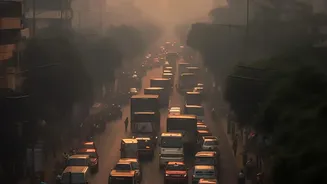
It may seem contradictory, but a weaker overall monsoon can sometimes lead to more intense and destructive rainfall events in cities. Climate change is altering rainfall patterns, leading to fewer rainy days but more extreme downpours when it does rain. An El Niño year can exacerbate this, delivering short, intense bursts of rain that overwhelm outdated urban drainage systems. The result is the chaotic waterlogging, traffic gridlock, and property damage that have become increasingly familiar sights in cities like Mumbai, Delhi, and Bengaluru.