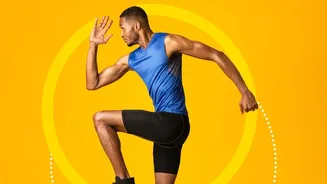








What is HIIT? The High-Speed Solution
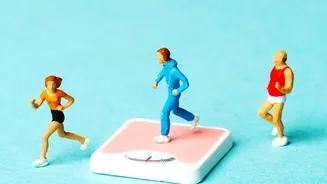
High-Intensity Interval Training (HIIT) is all about efficiency. It involves short, explosive bursts of all-out effort followed by brief periods of rest or low-intensity recovery. Think 30 seconds of sprinting, followed by 90 seconds of walking, repeated
for 15-20 minutes. The goal is to push your heart rate to at least 80% of its maximum during the intense intervals. This method is famous for its 'afterburn effect', scientifically known as Excess Post-Exercise Oxygen Consumption (EPOC), where your body continues to burn calories at an elevated rate for hours after the workout is over. Its biggest draw for office workers is clear: maximum results in minimal time.
What is LISS? The Steady-State Staple
Low-Intensity Steady-State (LISS) cardio is the exact opposite. It involves maintaining a consistent, moderate pace for a longer duration, typically 30 to 60 minutes. Examples include a brisk walk, a light jog, or steady cycling where your heart rate stays in a comfortable zone (around 60-70% of your max). The key is consistency, not intensity. LISS is often praised for being gentler on the joints and easier for beginners to adopt. It can also feel more meditative, helping to reduce the stress that often accompanies a demanding desk job.
The Time-Crunched Professional: Sprint or Marathon?
For many with sedentary jobs, time is the biggest hurdle. This is where HIIT seems to have a clear advantage. A truly effective HIIT session can be completed in 15 to 25 minutes, warm-up included. LISS, by its nature, requires a longer time commitment to achieve a similar calorie burn, often needing 40 to 60 minutes per session. While HIIT is more time-dense, it's also more physically and mentally demanding. The intensity means you can likely only handle two or three sessions per week without risking burnout or injury. LISS is less stressful on the body, making it something you could potentially do daily, like during a lunch break walk.
Fat Loss: The Afterburn vs. The Long Burn
Both methods are effective for fat loss, but they work differently. During a LISS workout, your body tends to use a higher percentage of fat for fuel. However, HIIT workouts generally burn more total calories per minute. The real game-changer for HIIT is the EPOC or 'afterburn' effect, which elevates your metabolism for hours post-exercise. While the afterburn is a real phenomenon, some sources note its overall calorie contribution might be slightly exaggerated, accounting for an extra 6-15% of the workout's total burn. Ultimately, fat loss comes down to being in a calorie deficit, and both HIIT and LISS can help you get there. The 'best' one is the one that you can perform consistently.
Injury Risk and Sustainability for the Desk-Bound
Transitioning from a sedentary lifestyle to an active one requires a smart approach to avoid injury. HIIT's explosive movements carry a higher risk of injury, especially for beginners who may have muscle imbalances or poor form from prolonged sitting. LISS is significantly lower-impact and gentler on the joints, making it a safer starting point for many. This accessibility makes LISS more sustainable in the long run for individuals who are new to fitness or have pre-existing joint issues. It’s a workout you can ease into, which is crucial for building a lasting habit. Building an initial fitness base with a few weeks of LISS can prepare your body for the demands of HIIT later on.
The Verdict: How to Choose for Your 9-to-5 Life
The right choice depends entirely on your individual circumstances. Choose HIIT if: - You are extremely short on time and need the most efficient workout possible. - You already have a baseline level of fitness and are comfortable with high-intensity exercise. - You get bored easily and enjoy the challenge of pushing your limits. Choose LISS if: - You are a beginner or returning to exercise after a long break. - You are prone to joint pain or recovering from an injury. - You find intense exercise stressful and prefer a more relaxing, meditative activity. - You want a low-impact option you can perform frequently, even on recovery days. For many, the optimal approach is a combination of both. You could perform one or two HIIT sessions on days you're feeling energetic and short on time, and supplement with two or three LISS sessions (like a brisk lunchtime walk) on other days to stay active without overtaxing your body.