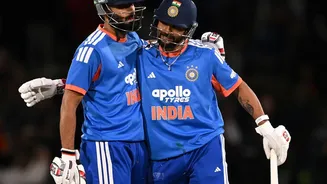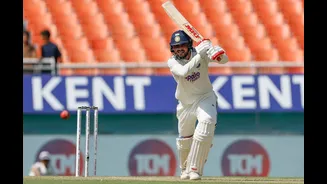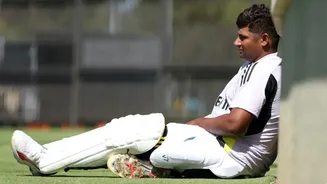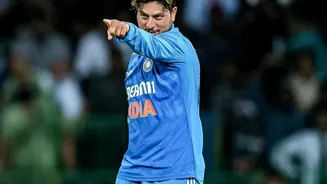

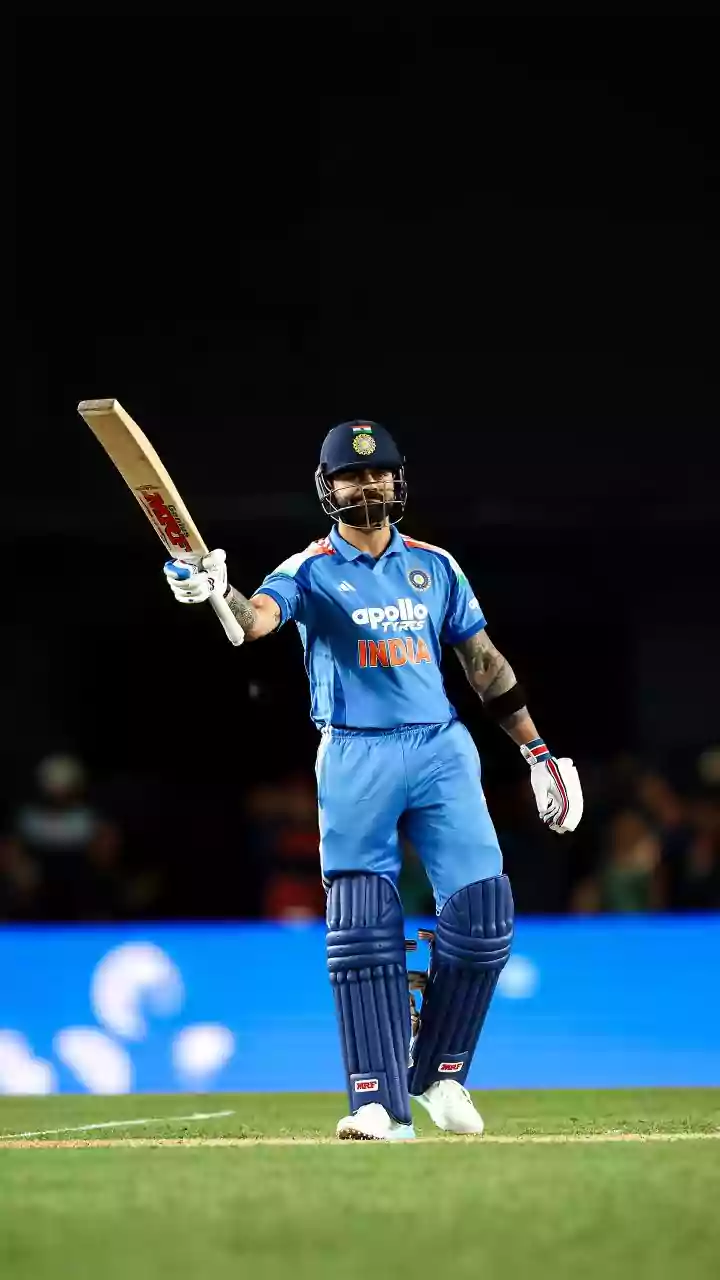

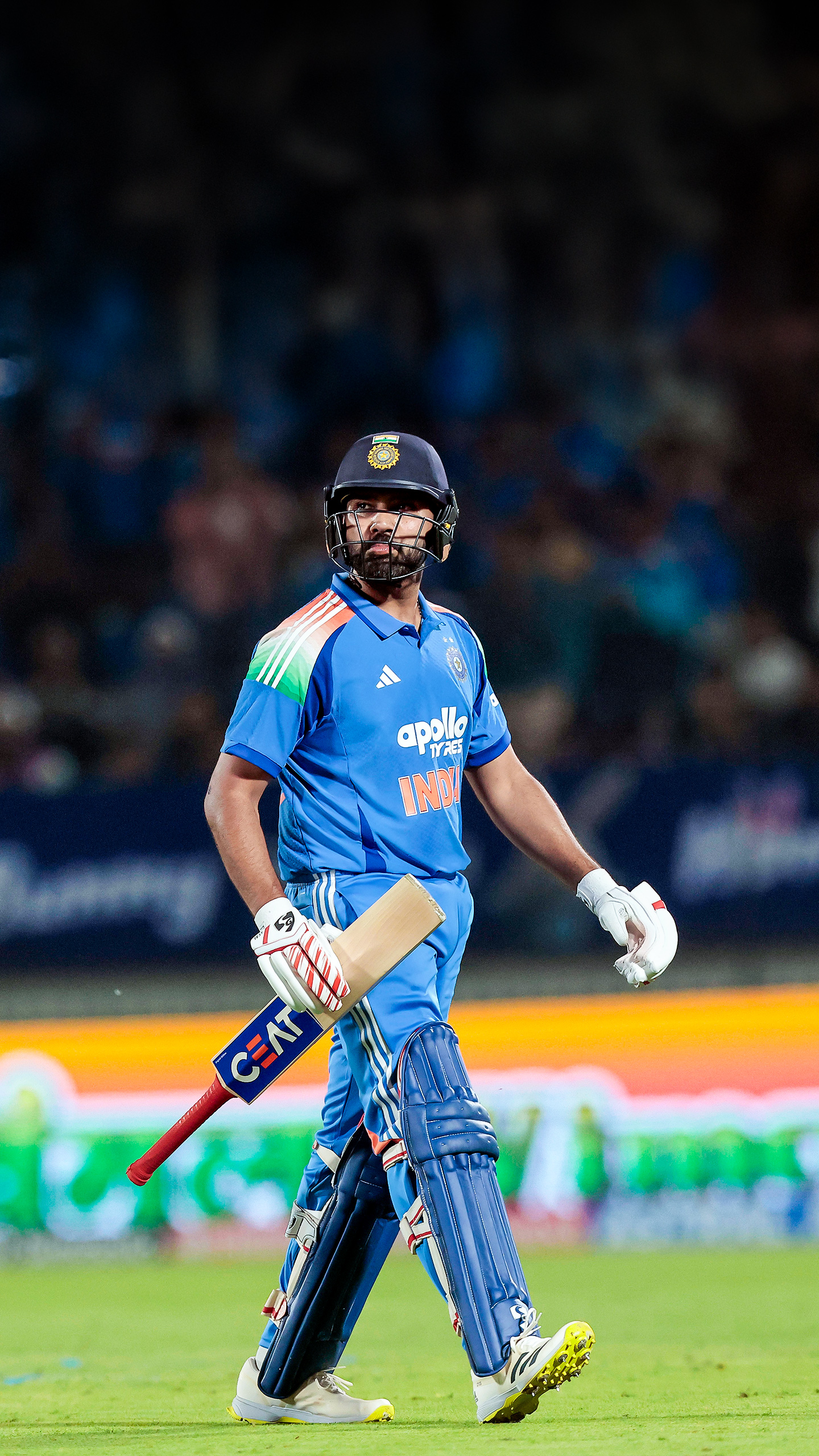

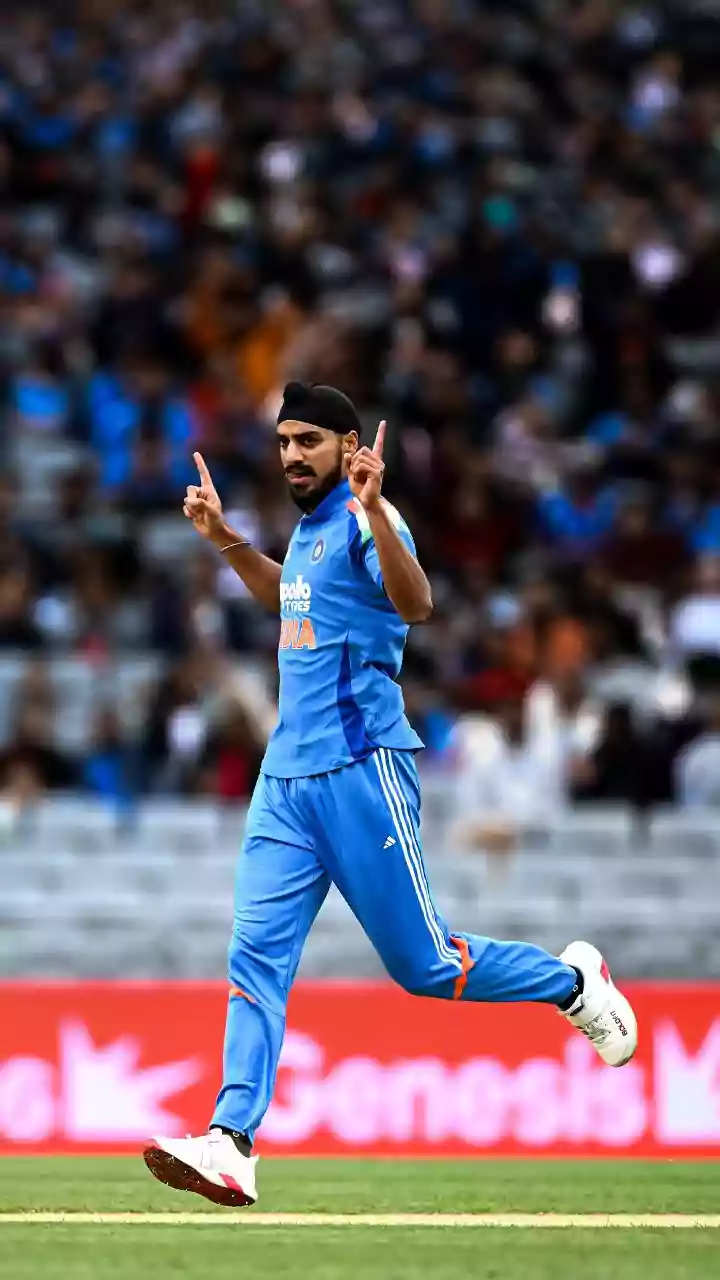


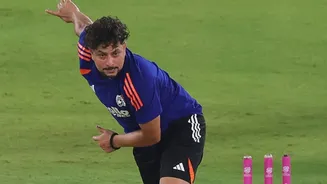
The Indian team sheet for the first ODI against New Zealand in Auckland offered a familiar, frustrating sight: Kuldeep Yadav on the bench. It's a recurring theme in the curious case of the left-arm wrist-spinner, a player perpetually in the squad but
often out of the action. This latest omission reignites a crucial debate: is it time for Team India to release him to play domestic cricket?
The Context of the Exclusion
The decision to leave Kuldeep out in Auckland wasn't entirely a shock, but it was telling. India opted for a combination that prioritised batting depth, with Axar Patel and Naman Dhir chosen as the spin-bowling all-round options in a pace-heavy attack. This tactical choice, favouring players who can contribute with the bat down the order, has become a common reason for Kuldeep's absence, especially in overseas conditions. Former players like Mohammad Kaif have noted that when India decides to play eight batters, Kuldeep is almost always the one to miss out. This leaves a world-class, wicket-taking spinner warming the bench, a resource left unused after also sitting out the entire preceding T20I series.
The Case for Staying with the Squad
The argument for keeping Kuldeep with the national team is straightforward. Being part of the elite setup means training with the best players in the country, working daily with top-tier coaches, and staying abreast of the team's evolving strategies. He is in the immediate vicinity of the playing XI, ready to be drafted in at a moment's notice if conditions, injuries, or a change in strategy demand it. It keeps him in the minds of the selectors and the team management, a constant presence in their planning for major tournaments like the upcoming ODI World Cup. Remaining in the bubble ensures he is bowling to world-class batters like Rohit Sharma and Virat Kohli in the nets, a challenge that domestic cricket cannot replicate. The management's perspective is likely that his proximity to the team is more valuable than any short-term alternative.
The Stronger Argument: A Return to Domestic Cricket
However, for a bowler like Kuldeep Yadav, rhythm is everything. Wrist-spin is an art form that requires immense confidence and countless hours of bowling in match situations, not just in the nets. This is the core of the argument to send him back to play for his state, Uttar Pradesh, in the Ranji Trophy. As former selector Venkatapathy Raju noted, the more matches a spinner plays, the more control they develop. Sitting on the bench for extended periods does the opposite, fostering rust and doubt. In the last two years, Kuldeep has played in just three of India's 35 matches in SENA countries (South Africa, England, New Zealand, Australia), a statistic that highlights his lack of game time. The Ranji Trophy, which is currently underway, offers the perfect platform for him to bowl long, probing spells, rediscover his groove, and lead an attack. Taking wickets and winning matches in first-class cricket would be a far better confidence booster than carrying drinks.
The Verdict: Release Him for His Own Good
The current approach isn't working. Kuldeep Yadav is too precious a talent to be managed into stagnation. While the desire for batting depth is understandable, it has led to a situation where a proven match winner is being sidelined into irrelevance. He recently became the fastest Indian spinner to 200 ODI wickets , a testament to his wicket taking ability . But that skill needs to be constantly honed . Sending him to play in the Ranji Trophy should not be seen as a demotion but as a strategic intervention . It would allow him to dominate , regain the unwavering self belief that makes a wrist spinner so dangerous , and return to the national setup not just as a squad member , but as an undeniable force . To be match fit , you need to play matches . It is a simple truth that the current management policy seems to be ignoring . Kuldeep bowling for Uttar Pradesh is far more valuable to the future of Indian cricket than Kuldeep sitting in a dugout in Auckland .