






The Sneaky Dehydrating Power of Humidity
Understanding why high humidity is so draining is the first step to combating it. Your body’s primary cooling system is sweat. In dry heat, sweat evaporates from your skin, taking heat with it. However, when the air is already saturated with moisture—as
it is during high-humidity periods—your sweat cannot evaporate effectively. Your body continues to produce sweat in an attempt to cool down, leading to significant fluid and salt loss without the actual cooling benefit. This process can lead to dehydration, heat exhaustion, and other heat-related illnesses faster than you might expect, as your body works overtime without relief. Studies show that this combination of heat and humidity, known as “uncompensable heat stress,” is a growing concern in India, extending the 'hot' season well beyond summer.
Recognise the Early Warning Signs
Thirst is not the first sign of dehydration; by the time you feel thirsty, your body is already in need of fluids. Early warning signs are more subtle and crucial to recognise. These include fatigue, feeling unusually tired or lethargic, and experiencing a headache or dizziness. Another key indicator is the colour of your urine; dark yellow or amber-coloured urine signals that your body is conserving water and you need to drink more. Other symptoms can include dry mouth, muscle cramps or weakness, and even irritability or confusion in more advanced stages. Paying attention to these early signals allows you to rehydrate before the problem becomes more severe.
Go Beyond Water: The Role of Electrolytes
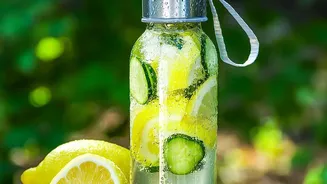
When you sweat profusely in humid conditions, you lose more than just water; you also lose essential minerals known as electrolytes, such as sodium, potassium, and magnesium. Replenishing with plain water alone can sometimes dilute the remaining electrolytes in your body, leading to an imbalance that can cause muscle cramps, weakness, and fatigue. To properly rehydrate, you need to replace these lost salts. Natural options are often best. Coconut water is an excellent source of potassium. A simple glass of nimbu paani (lemon water) with a pinch of salt and sugar, or a bowl of yoghurt or a glass of lassi can also help restore this crucial balance effectively.
Eat Your Hydration
A significant portion of your daily fluid intake, around 20%, should come from the foods you eat. During periods of high humidity, focusing on water-rich fruits and vegetables can be a delicious and effective way to stay hydrated. Cucumbers (96% water), watermelon (92% water), and tomatoes (94% water) are excellent choices. Other great options include oranges, spinach, strawberries, and plain yoghurt. These foods not only provide fluids but also contain vitamins and electrolytes, offering a double benefit. Incorporating them into your daily meals and snacks helps maintain your fluid levels consistently throughout the day.
Smart Lifestyle Adjustments for Humid Days
Simple changes to your daily routine can make a big difference in preventing dehydration. Try to schedule strenuous physical activities for the cooler parts of the day, such as the early morning or late evening. Opt for lightweight, loose-fitting clothing made from breathable fabrics like cotton or linen. Light-coloured clothing is also preferable as it reflects sunlight rather than absorbing it. Avoid dehydrating beverages like excessive caffeine and alcohol, as they can increase fluid loss. When you are indoors, try to spend time in well-ventilated or air-conditioned spaces to give your body a break from the oppressive humidity.