
The Two-Hour Rule and the Danger Zone
Before we tackle the best way to cool food, it's crucial to understand why speed is so important. Bacteria that can cause foodborne illness grow most rapidly in a range of temperatures known as the "Danger Zone." According to the U.S. Department of Agriculture
(USDA), this zone is between 40°F and 140°F (about 4°C to 60°C). When perishable food sits at room temperature, bacteria can double in as little as 20 minutes. This is why food safety experts have a strict rule: you must refrigerate leftovers within two hours of cooking. If the room temperature is above 90°F (32°C), that window shrinks to just one hour. The goal is to move your food through the Danger Zone as quickly as possible.
Myth: Cool Food Completely on the Counter
One of the most persistent kitchen myths is that you must let hot food cool down completely to room temperature before putting it in the refrigerator. This is dangerous advice. Leaving a large pot of stew or soup on the counter for several hours is an open invitation for harmful bacteria to multiply. The longer the food sits in the Danger Zone, the riskier it becomes. This myth likely comes from a time when refrigerators were less powerful and a very hot pot could struggle to cool, potentially warming up other foods in the fridge. While you shouldn't put a massive, steaming vat directly into your fridge, you also shouldn't leave it out for hours. The two-hour rule is your most important guide.
Myth: Always Cover a Hot Pot to Cool
It seems logical to cover your food to protect it, but when you're trying to cool something down, a tight lid is your enemy. Covering a pot of hot food traps steam and heat, acting like an insulator and dramatically slowing down the cooling process. This keeps the food in the temperature Danger Zone for much longer. The best practice is to let the heat escape as freely as possible during the initial cooling phase. If you're concerned about contaminants, you can cover the container loosely, perhaps with parchment paper or by leaving the lid slightly ajar, which still allows steam to get out. Once the food has cooled and is ready for the fridge, that's the time to seal it in an airtight container to keep bacteria out and maintain quality.
The Right Way: Cool Fast and Smart
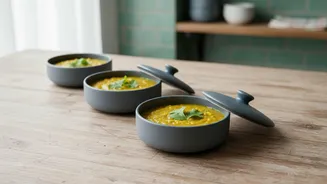
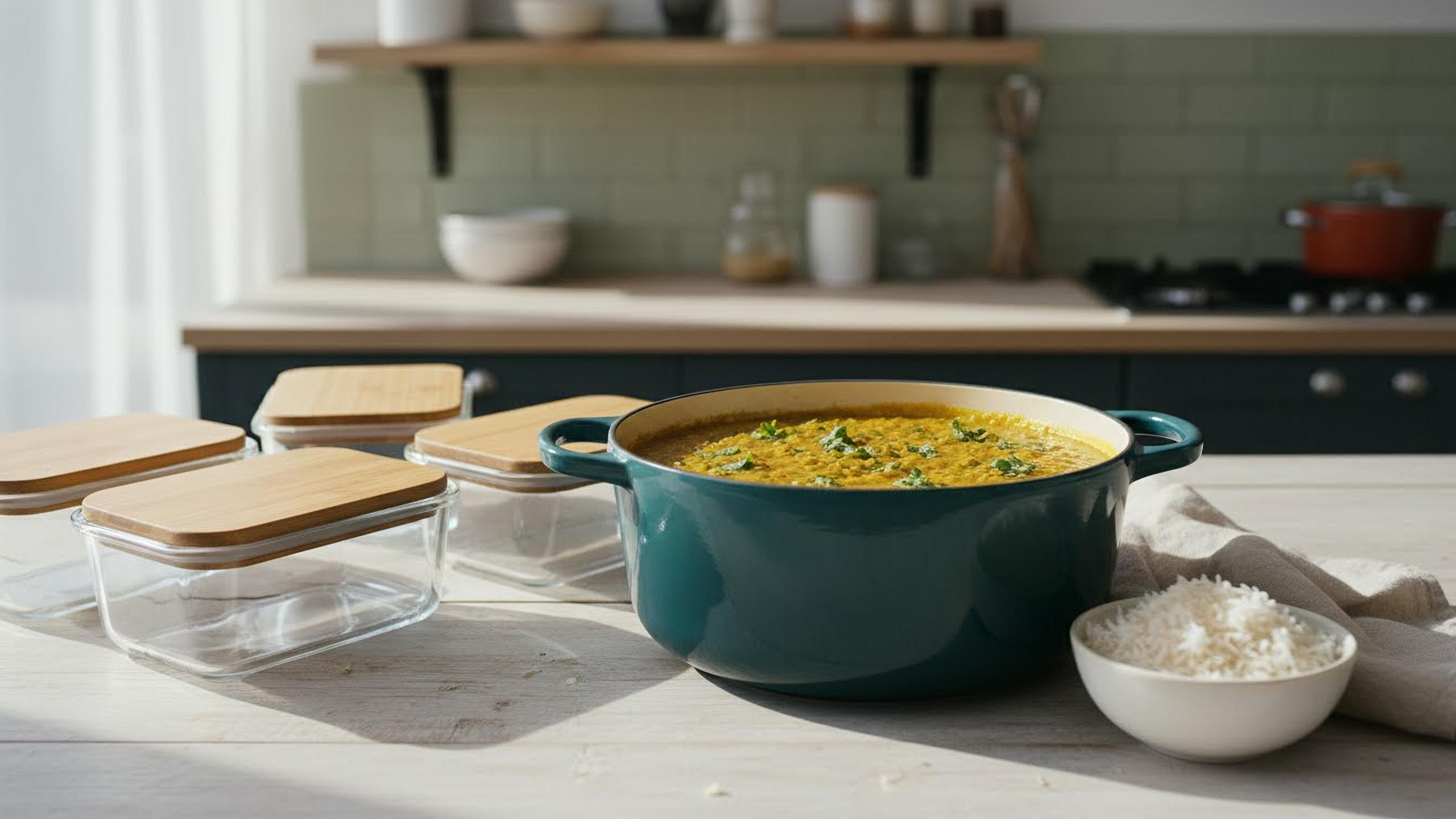
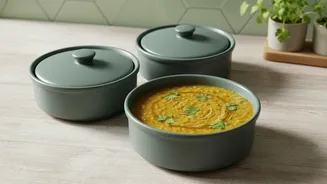
The key to safely cooling a large amount of food is to increase its surface area. Never try to cool a huge, deep pot of food in one go. Instead, divide and conquer. Transfer the food from the big cooking pot into several smaller, shallow containers. Food should be no more than two to three inches deep, which allows the cold to penetrate much more quickly. This simple step is the most effective thing you can do to speed up cooling. Once divided, you can place these smaller, shallow containers directly into the refrigerator, even if they are still warm. Modern refrigerators are built to handle it.
Pro-Tips for Rapid Cooling
If you're in a hurry or dealing with a very large batch, you can accelerate the process even further. One popular method is an ice bath. Place your smaller containers of food into a larger pan or sink filled with ice and a little cold water. Stir the food periodically to help release heat from the center. For soups and stews, you can also use special tools like an 'ice paddle'—a plastic wand you fill with water and freeze—which you then use to stir the food. Another trick for liquids is to prepare them with less water than the recipe calls for, then add ice or cold water at the end to help cool it down from the inside.