





Understanding Post-Monsoon Hair Woes
The primary culprit behind post-monsoon hair issues is the drastic change in humidity. During the rainy season, high moisture levels in the air cause the hair's outer layer, the cuticle, to swell, leading to frizz and weaker roots. This damp environment
is also an ideal breeding ground for fungi, which can cause dandruff and scalp irritation. As the season changes, your hair and scalp need time to rebalance. Lingering product residue, excess oil, and environmental pollutants can accumulate, resulting in a congested scalp, while the hair shafts remain dry and prone to breakage. This combination of a sticky scalp and frizzy lengths is a common complaint that requires a targeted approach.
Strategy 1: Clarify Your Scalp
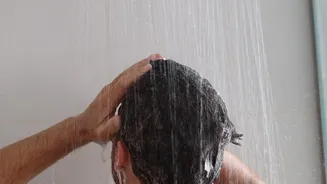
A healthy scalp is the foundation of healthy hair. After weeks of humidity and sweat, it’s crucial to remove the buildup of oil, dead skin cells, and product residue. This is where a clarifying shampoo or a scalp scrub comes in. Unlike regular shampoos, clarifying formulas are designed to provide a deeper clean, effectively resetting your scalp. Look for products with ingredients like tea tree oil or charcoal. Use a clarifying treatment once a week to detoxify your scalp without stripping it of its natural oils. Over-exfoliating can lead to irritation, so it's about finding a balance that leaves your scalp feeling clean and refreshed. For those with sensitive or colour-treated hair, gentler purifying scrubs with ingredients like sea salt can be effective.
Strategy 2: Tame Frizz with Targeted Moisture
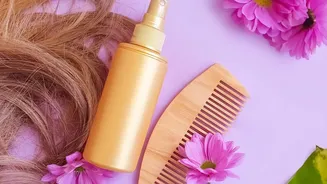
Frizz is essentially a cry for moisture in the right places. While the scalp might feel oily, the lengths of your hair are often dry and porous, causing them to absorb excess atmospheric moisture and puff up. Instead of avoiding conditioners, switch to a nourishing hair mask or deep conditioner at least once a week. Apply it from the mid-lengths to the ends, where hair is the oldest and driest. This helps to seal the hair cuticle, making it smoother and less susceptible to frizz. Additionally, a lightweight, anti-frizz serum applied to towel-dried hair can create a protective barrier against humidity and tame flyaways without weighing your hair down.
Strategy 3: Combat Hair Fall from Within
While topical treatments are important, addressing post-monsoon hair fall also requires a look at your diet. Studies show hair fall can increase by up to 30% during the monsoon. Nutritional deficiencies can worsen this seasonal shedding. Ensure your diet is rich in protein, the building block of hair. Foods like eggs, lentils, and paneer provide the keratin your hair needs to stay strong. Iron is another crucial nutrient, as it helps carry oxygen to your hair follicles. Incorporate iron-rich foods like spinach, beetroot, and dates into your meals. Finally, biotin and omega-3 fatty acids, found in walnuts, flaxseeds, and fish, help nourish the scalp and strengthen hair from the roots.
Gentle Handling and Smart Styling
How you handle your hair daily can make a significant difference. Hair is most fragile when wet, so avoid aggressive towel drying. Instead, gently squeeze out excess water with a soft microfiber towel. Use a wide-tooth comb to detangle, starting from the ends and working your way up to the roots to prevent breakage. It's also wise to limit heat styling as your hair recovers. If you must use a blow-dryer or straightener, always apply a heat-protectant spray first to minimize damage. Opting for loose hairstyles like braids or low ponytails can also reduce stress on weakened hair roots.