






The Sunshine Vitamin’s Crucial Role
Vitamin D is essential for absorbing calcium, making it fundamental for strong bones and teeth. Without it, the risk of conditions like osteoporosis and rickets increases. But its job doesn't stop there. It also plays a vital role in supporting a healthy
immune system, regulating mood, and ensuring proper muscle function. A deficiency can manifest as persistent fatigue, bone pain, and frequent infections, yet it often goes unnoticed for years. Given its wide-ranging impact on health, ensuring adequate levels is a cornerstone of overall wellness.
The Indian Deficiency Paradox
It seems contradictory that in a sun-drenched country like India, Vitamin D deficiency is a widespread public health issue, affecting 70-100% of the population in various studies. Several factors contribute to this paradox. Modern lifestyles often mean long hours spent indoors at offices and homes. Urban air pollution can block the specific UVB rays needed for the skin to produce Vitamin D. Furthermore, Indian skin tones, which are richer in melanin, naturally require more sun exposure to synthesise the same amount of Vitamin D as lighter skin tones. Traditional clothing that covers most of the body also limits skin exposure.
Nature's Limited Menu
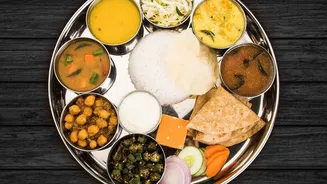
When turning to diet, the options for naturally vitamin D-rich foods are surprisingly limited, especially for vegetarians. Unlike vitamins such as C or A, which are found in a wide variety of fruits and vegetables, Vitamin D is naturally present in only a handful of foods. Most typical Indian meals, centered around dal, rice, roti, and sabzi, contain very little of this essential nutrient. This makes it challenging to rely solely on a standard diet to meet daily requirements, a fact that surprises many families.
Finding Vitamin D on Your Plate
For non-vegetarians, the best natural sources are fatty fish. Varieties like mackerel (bangda), sardines (mathi), and salmon are packed with Vitamin D. Just two servings a week can make a significant contribution. Egg yolks also contain small but useful amounts of Vitamin D, so it's important to eat the whole egg. For vegetarians, the options are even more scarce. Mushrooms are the only significant plant-based source, but there's a catch: they only produce substantial Vitamin D when exposed to UV light, such as direct sunlight. Simply leaving sliced mushrooms in the sun for 30-60 minutes before cooking can dramatically increase their Vitamin D content.
The Power of Fortified Foods
Recognising the widespread deficiency and lack of natural sources, food fortification has become a key strategy. Many brands of milk, edible oils, and breakfast cereals in India are now fortified with Vitamin D. Fortified soy milk is another excellent option, particularly for vegans. These foods provide a practical and accessible way to supplement dietary intake without drastic changes to eating habits. It's crucial to read the packaging and check the nutrition labels to ensure a product is indeed fortified and to know how much Vitamin D it provides per serving.
Don't Forget Your Best Source
While food helps, sunlight remains the most efficient source of Vitamin D. Your skin produces it when exposed to UVB rays. In India, the ideal time for this is generally between 10 AM and 2 PM. Exposing about 20-30% of your body (like your face, arms, and legs) for 15-30 minutes, three to four times a week, is often sufficient for most people, though this varies with location, season, and skin tone. It's a common misconception that gentle early morning or late afternoon sun is best for Vitamin D; while pleasant, the UVB intensity is too low for significant production.