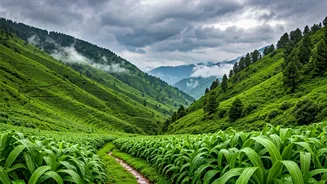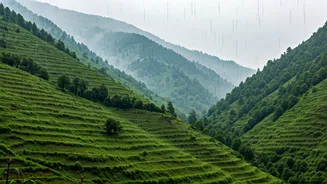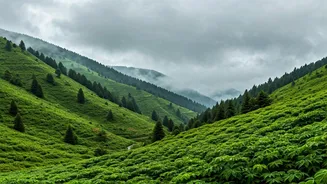



The Hills Turn Emerald Green
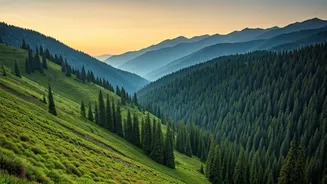
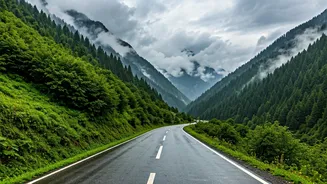
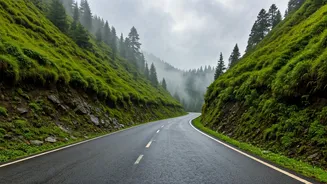
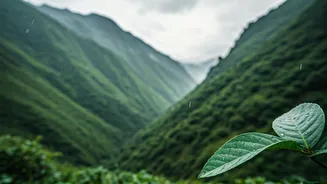
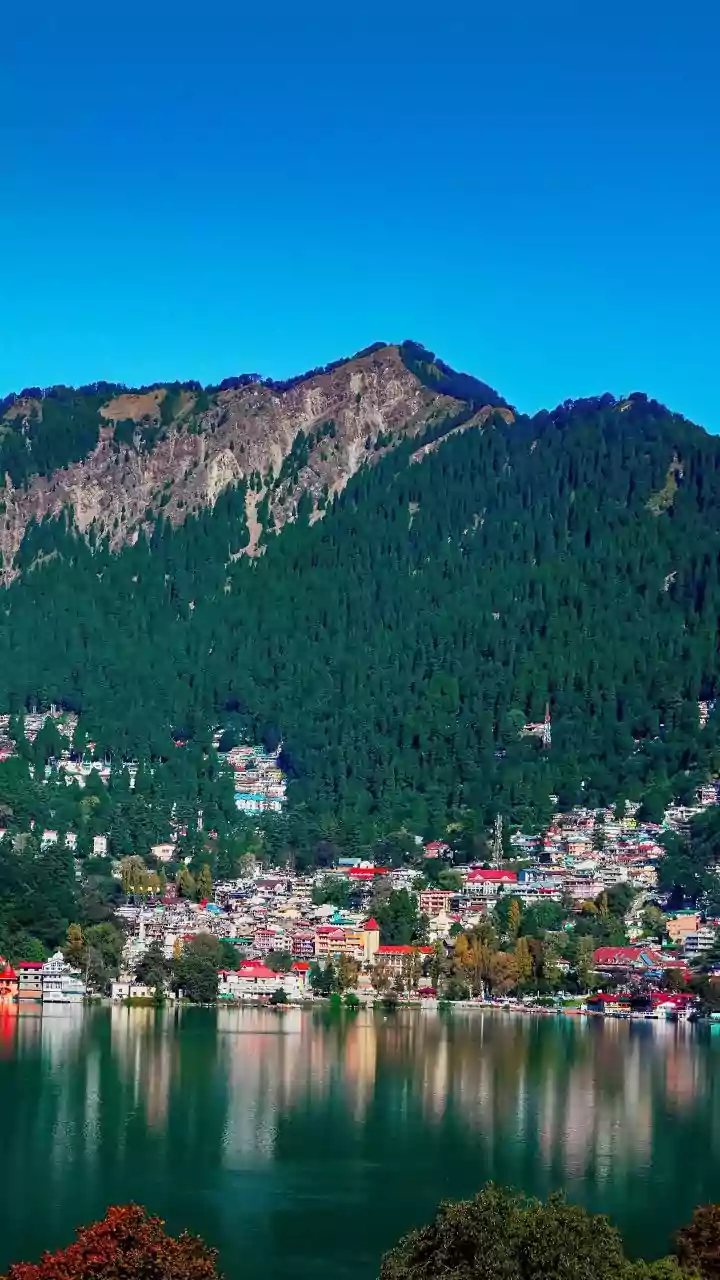
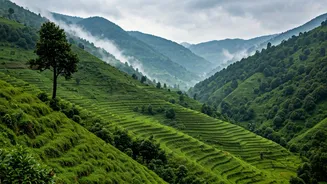
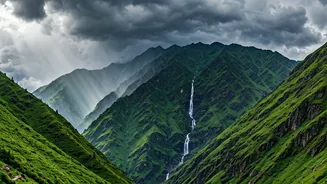
The scorching plains give way to lush, mist-covered mountains that seem to breathe a new life. Hill stations across Uttarakhand, Himachal Pradesh, and Rajasthan shed their summer dryness for a vibrant coat of emerald. Destinations like Mussoorie, Dalhousie,
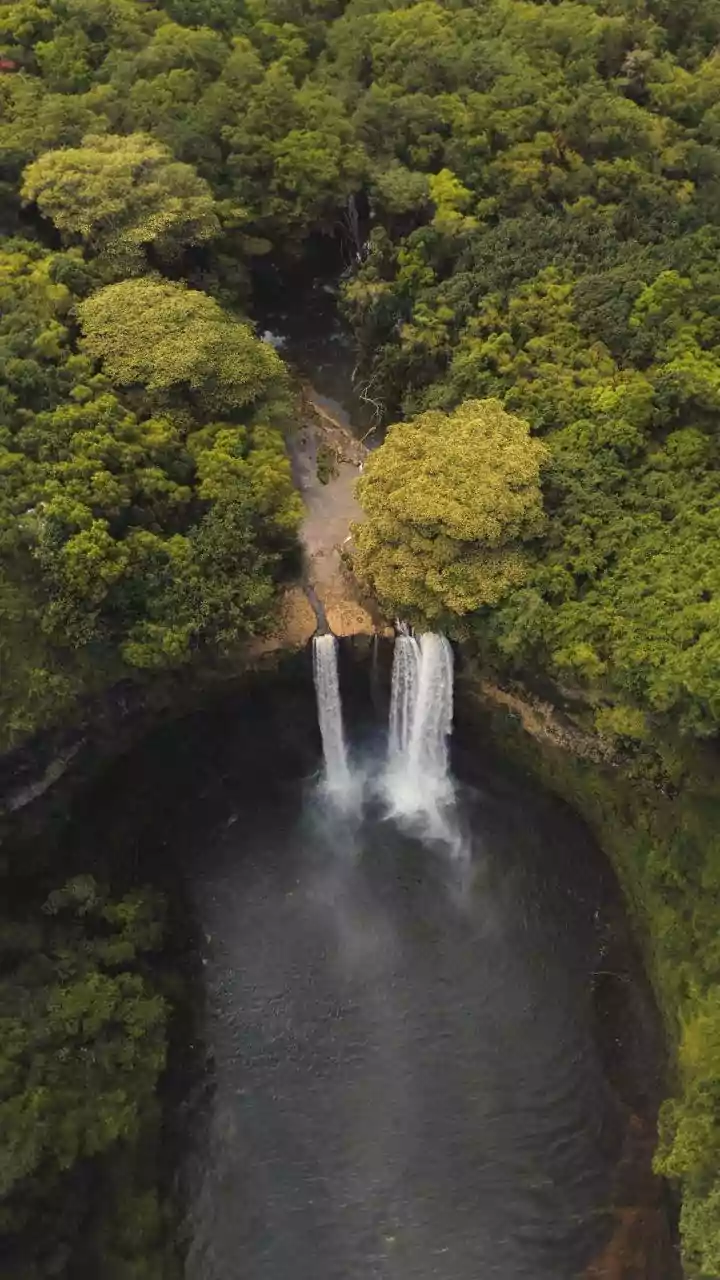
and Mount Abu transform into tranquil wonderlands. Clouds float lazily through valleys, waterfalls cascade down hillsides with renewed vigour, and the clean, fresh air offers a perfect escape. In places like the Valley of Flowers in Uttarakhand, the season brings a spectacular bloom of colourful, wild flora against a backdrop of dramatic, grey skies.
A Culinary Affair to Remember
The monsoon is incomplete without its unique culinary delights, a celebration of comfort and warmth. The quintessential experience involves sipping a steaming cup of 'adrak wali chai' (ginger tea) while watching the rain. This is often paired with an assortment of deep-fried snacks, from crispy pakoras (fritters) and samosas to the sweet and tangy flavours of street-side chaat. Another monsoon staple is 'bhutta' (roasted corn on the cob), seasoned with lime, salt, and chilli powder, its smoky aroma filling the air. These aren't just foods; they are rituals that bring families and friends together to celebrate the season.
Rain-Washed Monuments and Cities
The cities of the plains, often bustling and dusty, take on a romantic and serene quality during the monsoon. In Delhi, the arrival of the monsoon around late June offers a much-awaited respite from the intense heat. Historical monuments and grand architecture in places like Delhi, Jaipur, and Agra are washed clean by the rain, their stones glistening. The reflection of Humayun's Tomb in a fresh puddle or the sight of Jaipur’s pink sandstone glowing under a cloudy sky offers a completely different perspective. The reduced crowds and cooler temperatures make it an ideal time for exploring these heritage sites.
A Time for Renewal and Celebration
The monsoon is more than just a weather pattern in India; it's a cultural and spiritual event steeped in history and folklore. It symbolizes renewal, fertility, and the triumph of life. This connection is celebrated through various festivals. The festival of Teej, celebrated by women in Rajasthan and parts of Uttar Pradesh, welcomes the monsoon with swings, songs, and prayers for prosperity. The season is a recurring motif in Indian literature and art, often representing longing, romance, and creative inspiration. It's a time when nature's revival prompts a sense of spiritual and communal rejuvenation.
The Simple Joys of the Season
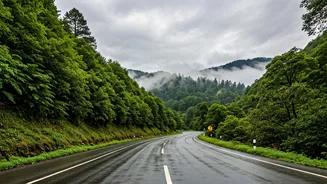
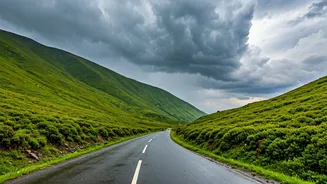
Beyond the grand landscapes and cultural festivities, the charm of the North Indian monsoon lies in its simple pleasures. It’s the joy of a long drive on a freshly washed road, with your favourite music playing as a light drizzle falls. It's the comfort of curling up with a book by the window, listening to the rhythmic patter of rain. It’s the spontaneous decision to get drenched and the laughter that follows. The India Meteorological Department's updates on the monsoon's advance become a topic of daily conversation, as everyone eagerly awaits the relief and beauty it brings. This season encourages a slower pace of life, inviting you to pause and appreciate the transient beauty of the moment.