




The economic pulse of India is no longer dictated solely by its metros. A quiet revolution is reshaping the job market in smaller towns, and its engine is the cardboard box you received yesterday. Here’s how e-commerce is creating a new world of work.
The New Economic Engine in Town
For decades, the story of opportunity for young Indians often meant leaving their hometowns for the bustling metros. Today, that narrative is changing. A significant driver of this shift is the explosive growth of e-commerce. As companies push deeper into the country to capture the next wave of consumers, they are not just selling goods; they are delivering jobs. This trend is particularly visible in Tier-2 and Tier-3 cities, where the arrival of organised retail and logistics is creating a surge in employment that outpaces even the major urban centres. Staffing firms report that temporary hiring demand in these smaller markets is growing at nearly double the rate of metros, fundamentally altering the local economic landscape.
Why Small Towns are the New Frontier
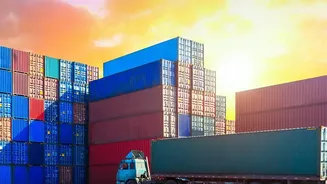
The strategic push into non-metro India is driven by simple, powerful logic. These regions represent the fastest-growing consumer markets. By 2023, Tier-2 and Tier-3 cities were already contributing around 60% of India's total e-commerce demand. Companies like Amazon and Flipkart are aggressively expanding their footprint to serve this burgeoning customer base, building a vast network of infrastructure far from Mumbai or Delhi. Amazon's recent expansion, for example, saw new fulfilment and sort centres opening in cities like Raipur, Ranchi, Varanasi, and Meerut. This move brings inventory closer to customers, enabling faster delivery and tapping into a large, available workforce. Government initiatives like the National Logistics Policy are further accelerating this trend by improving infrastructure and connectivity.
Inside the Local Delivery Node
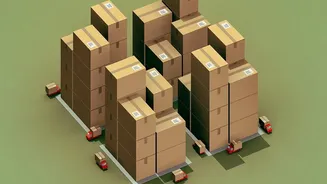
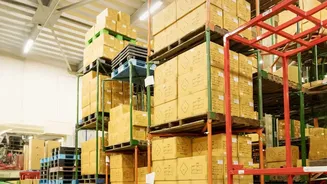
So, what exactly is a local e-commerce 'node'? It’s a crucial part of the supply chain that makes rapid delivery possible. These nodes come in various forms, from large 'fulfilment centres' (FCs) where products are stored, picked, and packed, to smaller 'sort centres' where packages are routed to their next destination. The final and most visible link is the 'last-mile delivery station'. This is the local hub from which delivery partners collect packages for their daily routes. When an e-commerce giant announces the opening of 150 new last-mile stations across 118 cities, it means creating a direct employment footprint in places like Jaunpur, Siliguri, and Udhampur. For many of these towns, it's their first formal entry into the national logistics network.
The Spectrum of New Opportunities
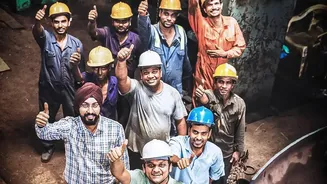
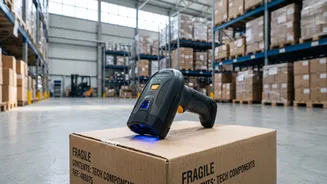
The jobs created by these nodes are diverse and extend beyond just delivery personnel. Modern logistics hubs require a mix of skills. Entry_level roles include warehouse associates, pickers, and packers who use handheld scanners and automated systems. As the operations scale, this creates a clear career path to supervisory roles like line captains, inventory controllers, and data analysts. The logistics sector as a whole is projected to create millions of new jobs by 2027. These are not just gig economy roles; major players are offering formal employment with structured salaries and benefits, turning logistics into a viable career path for regional youth.
A Lifeline for Regional Youth
For young people in non_metro areas, these opportunities can be transformative. It provides them with a stable income and a chance to build a career without migrating to an overcrowded and expensive metro city. E_commerce platforms are increasingly viewed as attractive employers that offer structured training and upskilling. While agriculture remains the largest employer nationally, sectors like logistics, trade, and transport are rapidly growing. This economic diversification is vital for regional development, allowing talent to stay and contribute to their local communities. While challenges like the digital divide and the need for better digital literacy remain, the positive impact on enabling flexible and accessible job roles is undeniable.
Challenges and the Road Ahead
While the boom in logistics jobs is overwhelmingly positive, it comes with challenges. A significant portion of these roles, especially during festive seasons, are temporary or part of the gig economy, which can mean income instability and a lack of traditional benefits. Furthermore, there is a growing gap between the skills required by modern, tech_enabled warehouses and the existing skill sets of the local workforce. Industry leaders and government bodies recognise the urgent need for skilling reforms to create a pipeline of trained workers who can operate route optimisation software, manage automated sorters, and handle digital inventory systems. Closing this skill gap is the next critical step to ensure this employment boom is sustainable and leads to longterm career growth for India's regional youth.