





The Monsoon Transformation
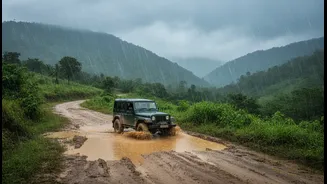
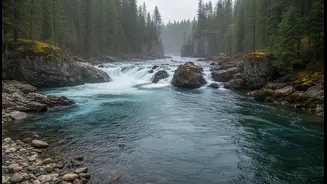
When the rains arrive, Pachmarhi’s landscape in the Satpura Range becomes a world of vibrant green, with waterfalls like Bee Falls and Duchess Falls roaring to life. But this beauty comes with a challenge. The region's terrain, predominantly sandstone,
becomes incredibly slippery when wet. Trails that are dusty and manageable in other seasons turn into a slick combination of moss-covered rock, loose soil, and flowing water, creating a uniquely demanding environment for any trekker. Every step on these saturated paths requires concentration, as the ground's grip is unpredictable.
From Walking to Technical Footwork
On a dry path, you can often walk without much thought. In monsoon-drenched Pachmarhi, this is a recipe for a fall. The usual rhythm of walking is replaced by a conscious, deliberate process. Each foot placement is a calculated decision. Is that rock slick with algae? Will that patch of mud hold my weight? This constant mental engagement is what elevates simple foot placement to a performance skill. It becomes less about endurance and more about technique, similar to how a rock climber analyses handholds. It’s a full-body and full-mind experience.
Mastering Your Steps on Slippery Ground
To move safely and confidently, you must adjust your technique. Instead of landing heavily on your heel, aim for a flatter, more centred foot placement. This maximises the surface area of your shoe's sole, increasing grip. Take shorter, more deliberate steps. This keeps your centre of gravity stable and allows you to test the ground before fully committing your weight. Use your whole body for balance. Keep your knees slightly bent and use your arms to counterbalance, much like a tightrope walker. Trekking poles become invaluable, acting as two extra points of contact with the ground to ensure stability.
Reading the Trail Ahead
A key part of this skill is learning to read the terrain two or three steps ahead. Scan the path for visual cues. Dark, shiny rocks are often covered in a slippery film of water or moss and should be avoided. Look for textured surfaces, such as the gritty parts of the sandstone, which offer better grip. When crossing small streams, which are numerous during the monsoon, look for stable, submerged rocks rather than slippery, algae-covered ones on the surface. Don't rush; a steady, observant pace is far more effective and safer than a hurried one. Experienced local guides are masters at this, often pointing out the safest line through a challenging section.
The Right Gear for the Job
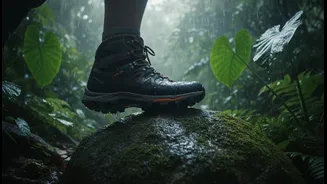
While technique is paramount, the right gear is a critical supporting actor. The single most important item is your footwear. Choose waterproof trekking shoes with deep, aggressive lugs on the sole for maximum traction on wet and muddy surfaces. Avoid regular sports shoes, as their flat soles are ineffective on such trails. Quick-drying clothes made from synthetic fabrics are also essential; cotton gets wet, stays wet, and can make you cold. A poncho or a good quality rain jacket and a waterproof cover for your backpack will keep you and your essentials dry, allowing you to focus on the path under your feet.