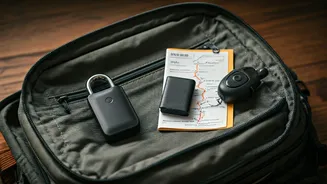









Redefine ‘Elite Security’
First, let's reframe the goal. ‘Elite high security’ for a young traveller doesn’t mean a convoy of black SUVs. It means being an undesirable target for trouble. It’s about proactive, intelligent safety measures that make you secure without making you broke.
This new definition of security is built on three pillars: awareness, preparation, and technology. It’s about knowing the local risks, having a plan for common problems, and using affordable digital tools to create a personal safety net. This mindset is your most valuable asset, and it costs nothing to adopt.
Secure Accommodations on a Shoestring
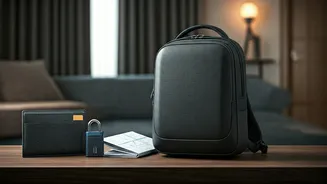
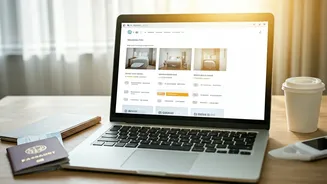
Your stay is your sanctuary, even if it's a dorm bed. Finding a low-cost, high-security spot requires diligent research. Don't just sort by price; sort by recent reviews. Look for keywords like ‘safe,’ ‘secure,’ ‘lockers,’ and ‘24-hour reception.’ Platforms like Hostelworld and Booking.com often have detailed reviews from solo female travellers—their insights are gold. Prioritise hostels that offer large, individual lockers for your entire backpack. Check if they have female-only dorms if that's a preference. A quick Google Maps search of the surrounding area can also reveal if the location is well-lit and on a main road, reducing risks when returning at night.
Build a Digital Fortress for Free
In the 21st century, your biggest vulnerability is often digital. Securing your data is as important as locking your bag. First, get a reliable VPN (Virtual Private Network). Many offer affordable monthly plans or even free basic tiers. This is non-negotiable for using cafe, airport, or hotel Wi-Fi, as it encrypts your data and protects you from snoops. Second, download offline maps of your destination on Google Maps or use an app like Maps.me. This ensures you can navigate without an internet connection and won’t get stranded. Finally, create a digital emergency kit: use a secure cloud service (like Google Drive or Dropbox) to store encrypted copies of your passport, visa, tickets, and hotel bookings. This backup can be a lifesaver if your physical documents are lost or stolen.
The Low-Cost Lifeline: Travel Insurance
Many young travellers skip insurance to save a few hundred rupees, viewing it as an unnecessary expense. This is a critical mistake. Basic travel insurance is an incredibly low-cost way to access ‘elite’ security. For a small premium, you get a massive safety net covering medical emergencies, theft of baggage, flight cancellations, and personal liability. When choosing a plan, don't just pick the cheapest. Read the fine print. Ensure it covers adventure sports if you plan any, and check the process for making a claim. Think of it this way: the cost of a good insurance plan for a week-long trip is often less than the price of a fancy dinner. It's the most cost-effective 'security upgrade' you can buy.
Street-Smart Movement and Blending In
The safest way to move through a new place is to look like you know what you're doing, even when you don’t. Avoid looking like a lost tourist, staring at a giant foldable map. Instead, step into a shop to discreetly check your phone for directions. Use trusted ride-hailing apps like Uber or Ola where available, as they offer GPS tracking, registered drivers, and an in-app SOS button. Share your live location with a friend or family member back home via WhatsApp for the duration of your journey. To avoid scams, a simple ‘no, thank you’ and walking away confidently is your best defence against persistent touts. The goal isn't to be paranoid, but to be present and aware of your surroundings.