

The Urban Sunlight Dilemma
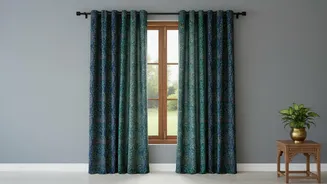
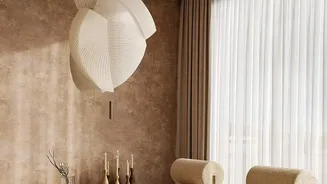
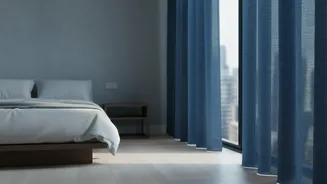
City apartments, especially high-rises, are often blessed with abundant natural light. However, this blessing can quickly turn into a curse. Direct, unfiltered sunlight can lead to intense glare, uncomfortable heat gain, and faded furnishings. Heavy blackout
curtains solve these problems but plunge rooms into darkness, sacrificing the very daylight we crave. For many urban dwellers, the challenge is finding a middle ground: a way to manage sunlight without eliminating it, all while maintaining privacy from nearby buildings. This is where the magic of a simple, culturally rich textile comes into play.
A Sustainable and Soulful Solution
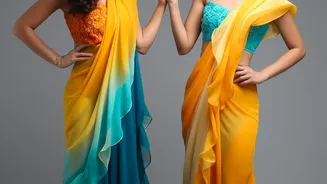
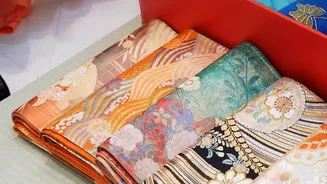
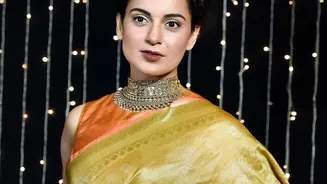
Before you buy another set of generic curtains, consider looking inside your own closet or your mother’s trunk. Old sarees, steeped in memory and craftsmanship, are finding a new life as stunning window treatments. This practice of upcycling is a cornerstone of modern sustainable design, which emphasizes reusing materials to reduce waste. Transforming a saree that is no longer worn—perhaps due to a small tear or changing tastes—into a curtain is not just an eco-friendly choice; it's a way to weave personal history and artistry into your home's decor. Every saree carries a story, and as a curtain, it continues to tell that story in a new way, catching the light and the eye.
The Magic of Diffused Light
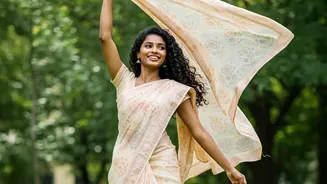
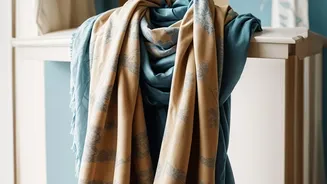
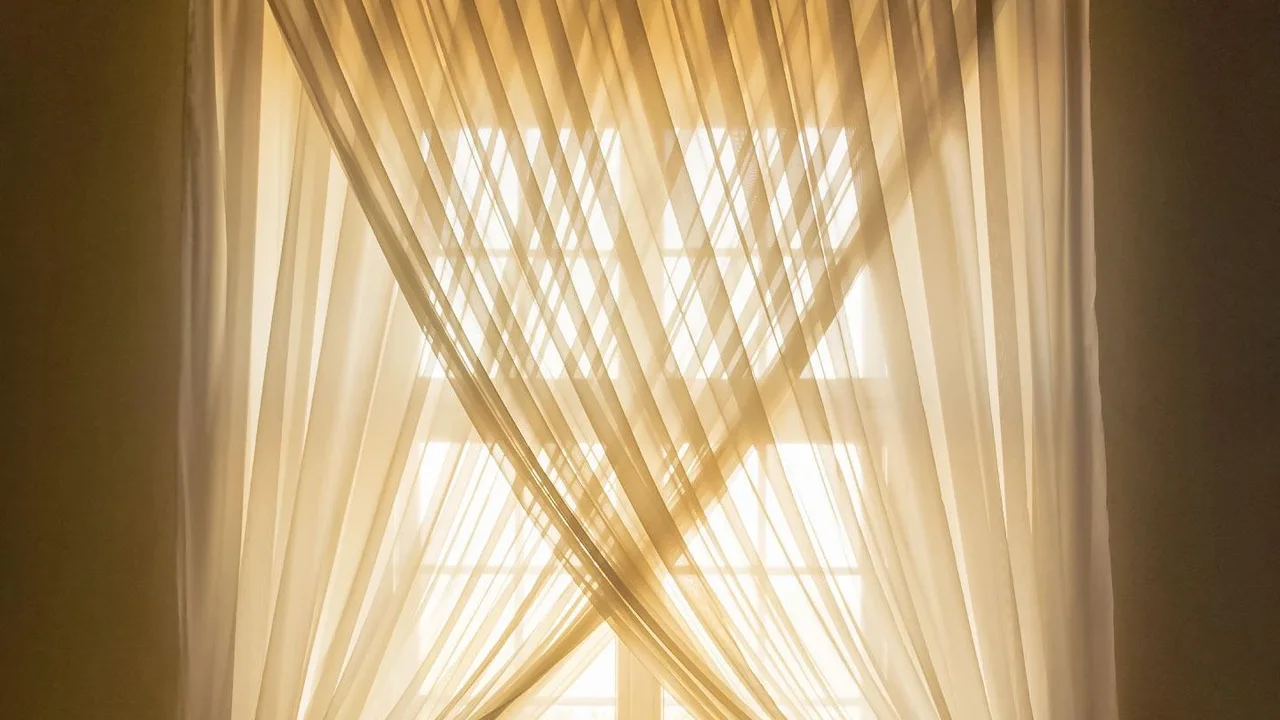
The true genius of using sarees as drapes lies in their fabric. Lightweight materials like chiffon, georgette, and mulmul are perfect for creating sheer curtains that masterfully filter light. Instead of blocking the sun, they soften it, bathing the room in a gentle, diffused radiance. This effect reduces harsh glare while still keeping the space bright and airy. Georgette and chiffon, known for their flowy drape, create an ethereal, elegant look. Cotton sarees, especially fine weaves like mulmul or Kota Doria, allow for excellent air circulation while providing a soft-focus light, making them ideal for India's hot and humid climates.
Choosing the Right Saree
The best saree for your window depends on your specific needs for light and privacy. For a bedroom that gets intense morning sun, a slightly thicker cotton or a layered chiffon saree might be ideal. For a living area where you want to maximize light, a single-layer georgette or Kota saree works beautifully. Don't forget colour and pattern. A brightly coloured saree can cast a warm, tinted glow across the room, while a white or beige one will provide neutral, soft light. Sarees with beautiful borders or a heavily decorated pallu can be strategically hung to frame the window, turning the curtain itself into a work of art.
A Simple Transformation
Turning a saree into a curtain can be a remarkably simple DIY project. For a no-sew solution, the saree can be elegantly draped over a rod. Many sarees are long enough to cover a standard window with a single graceful loop. Alternatively, clip-on curtain rings can be attached directly to the fabric. For a more polished look, a local tailor can easily stitch a channel at the top for a curtain rod or add pleating tape for a more formal drape. Adding a simple cotton lining can enhance privacy and protect more delicate fabrics like silk from direct sun exposure, extending the life of your unique new curtains.
Beyond the Bedroom Window
This innovative idea isn't limited to the bedroom. Upcycled saree drapes can add a touch of bohemian chic to a living room, serve as a colourful partition in a studio apartment, or even bring life to a kitchen window. You can mix and match different sarees to create a vibrant patchwork effect or use a single, luxurious silk saree to create a focal point for a special occasion. The versatility of the nine-yard drape continues in its second life, offering endless possibilities for creative and sustainable home decor that feels both modern and deeply rooted in tradition.