


Ittoqqortoormiit: The Colourful Edge of the World
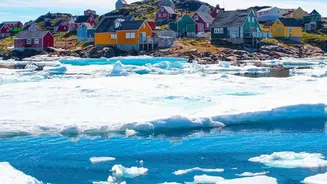
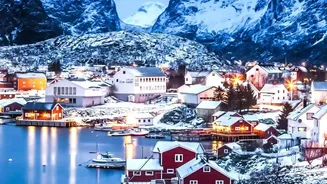
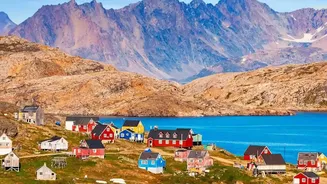
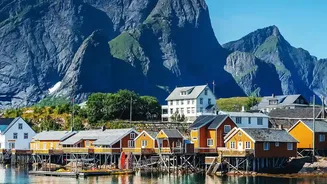
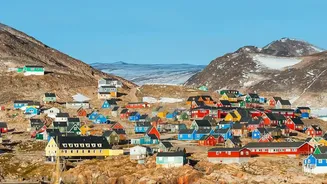
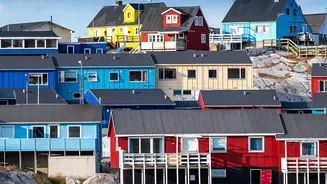
Tucked away in Northeast Greenland, Ittoqqortoormiit is one of the most isolated settlements on Earth. With a population of just over 350, life here is a blend of modern amenities and age-old traditions. The town's brightly coloured wooden houses stand
in stark contrast to the vast, white landscape of snow and ice, creating a scene that feels almost like a storybook. For much of the year, the town is cut off by sea ice, making hunting and fishing not just a cultural practice but a necessity for survival. Residents rely on catching seals, walruses, and even polar bears, using knowledge passed down through generations. A visit here offers a profound look at human resilience and a community that lives in deep harmony with the powerful rhythms of the Arctic.
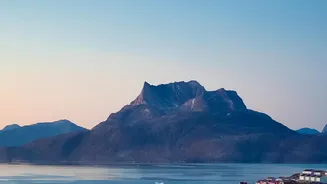
Uummannaq: The Town with the Heart-Shaped Mountain
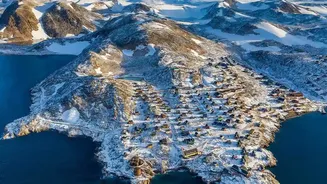
Located on a small island 600 kilometres north of the Arctic Circle, Uummannaq is immediately recognizable for the heart-shaped mountain that towers over it. This hunting and fishing town of about 1,200 people offers a captivating mix of dramatic scenery and vibrant culture. In winter, the sea freezes solid, and the fjord becomes a highway for dog sleds, a form of transportation that remains central to life here. In summer, the waters are filled with massive icebergs and whales. Uummannaq is also a place of cultural significance, home to a museum, a historic stone church, and the site where the famous Greenlandic mummies were discovered nearby at Qilakitsoq.
Kulusuk & Tasiilaq: Gateways to East Greenland
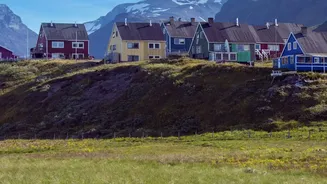
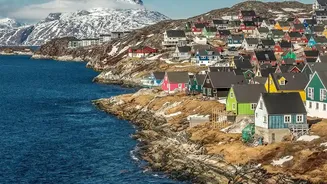
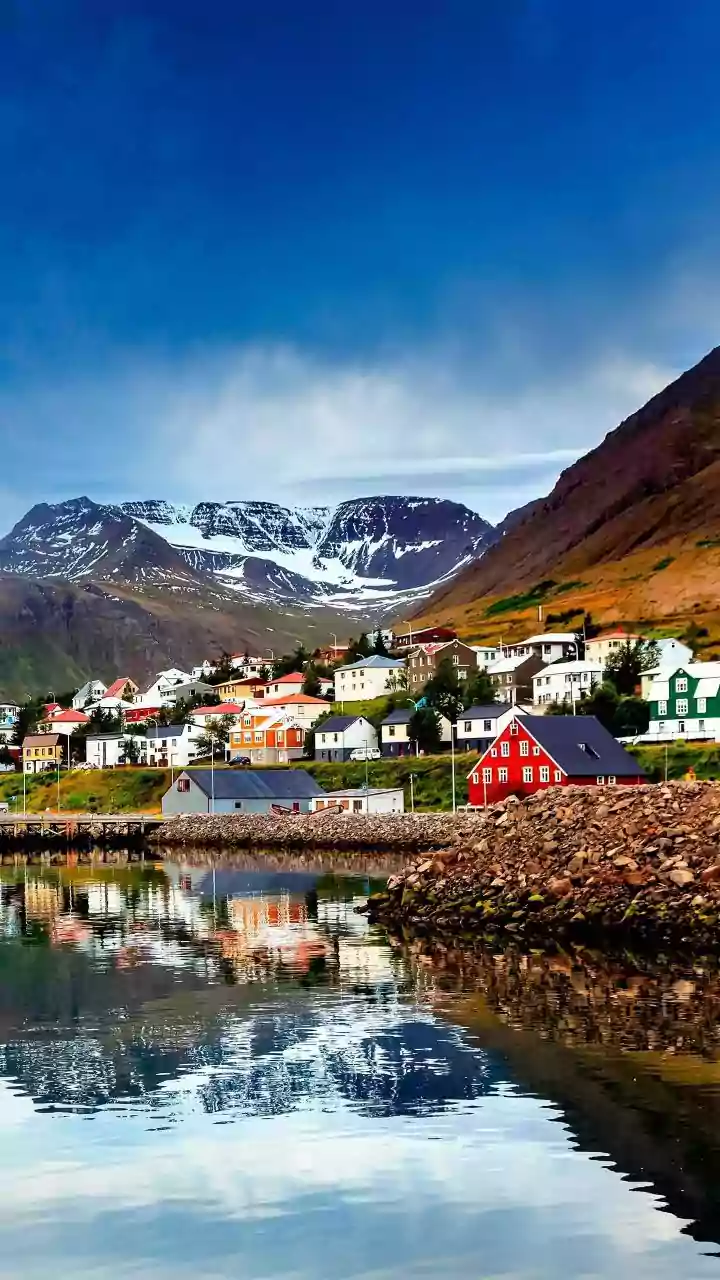
The small settlement of Kulusuk, with its few hundred inhabitants, serves as the primary gateway to East Greenland. It provides a first, authentic taste of life on the edge, where fishing and hunting traditions are still very much alive. A short helicopter or boat ride away is Tasiilaq, the largest town on the East Coast with a population of about 2,000. Though larger, Tasiilaq is still profoundly shaped by its isolation, iced-in for up to nine months a year. Its colourful buildings cling to the hillsides surrounding a fjord, offering stunning views and access to a vast, untamed wilderness perfect for hiking, kayaking, and dog sledding, depending on the season.
Qaanaaq: Bastion of Polar Inuit Tradition
In the far north, Qaanaaq is a place for extremes and a stronghold of traditional Polar Inughuit culture. This is one of the northernmost towns in the world, where for months the sun never sets in summer, and it never rises in winter. For the community of around 600 people, traditional hunting with dog sleds, kayaks, and harpoons remains essential for survival. The town's very existence is a story of resilience, as it was founded in 1953 after residents were forcibly relocated to make way for an American airbase. Today, it provides a powerful connection to a way of life threatened by a changing climate and melting sea ice.
The Reality of Village Life
While incredibly beautiful, life in these remote villages is not without its challenges. Travel between settlements is expensive and difficult, possible only by boat, helicopter, or dog sled, and is often at the mercy of extreme weather. Many small communities face struggles as younger residents move to larger towns for work and education, leaving an aging population behind. Access to services like advanced healthcare and higher education often requires travel to bigger towns. Yet, these villages remain culturally vital, preserving traditions and a unique Greenlandic way of life that continues to fascinate and endure against the odds.