






What Exactly Is El Niño?
El Niño is a naturally occurring climate pattern characterized by the abnormal warming of surface waters in the central and eastern equatorial Pacific Ocean. This warming disrupts global atmospheric circulation, effectively changing weather patterns worldwide.
For India, the connection is critical: El Niño events are often associated with a weaker southwest monsoon. They suppress the moisture-carrying winds that are the lifeblood of the subcontinent, leading to deficient rainfall, higher temperatures, and increased drought risk. While not every El Niño year results in a drought, the probability increases significantly, making it a closely watched phenomenon for a nation where agriculture is still heavily reliant on seasonal rains.
The Uneven Impact of 2026
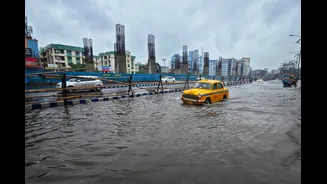
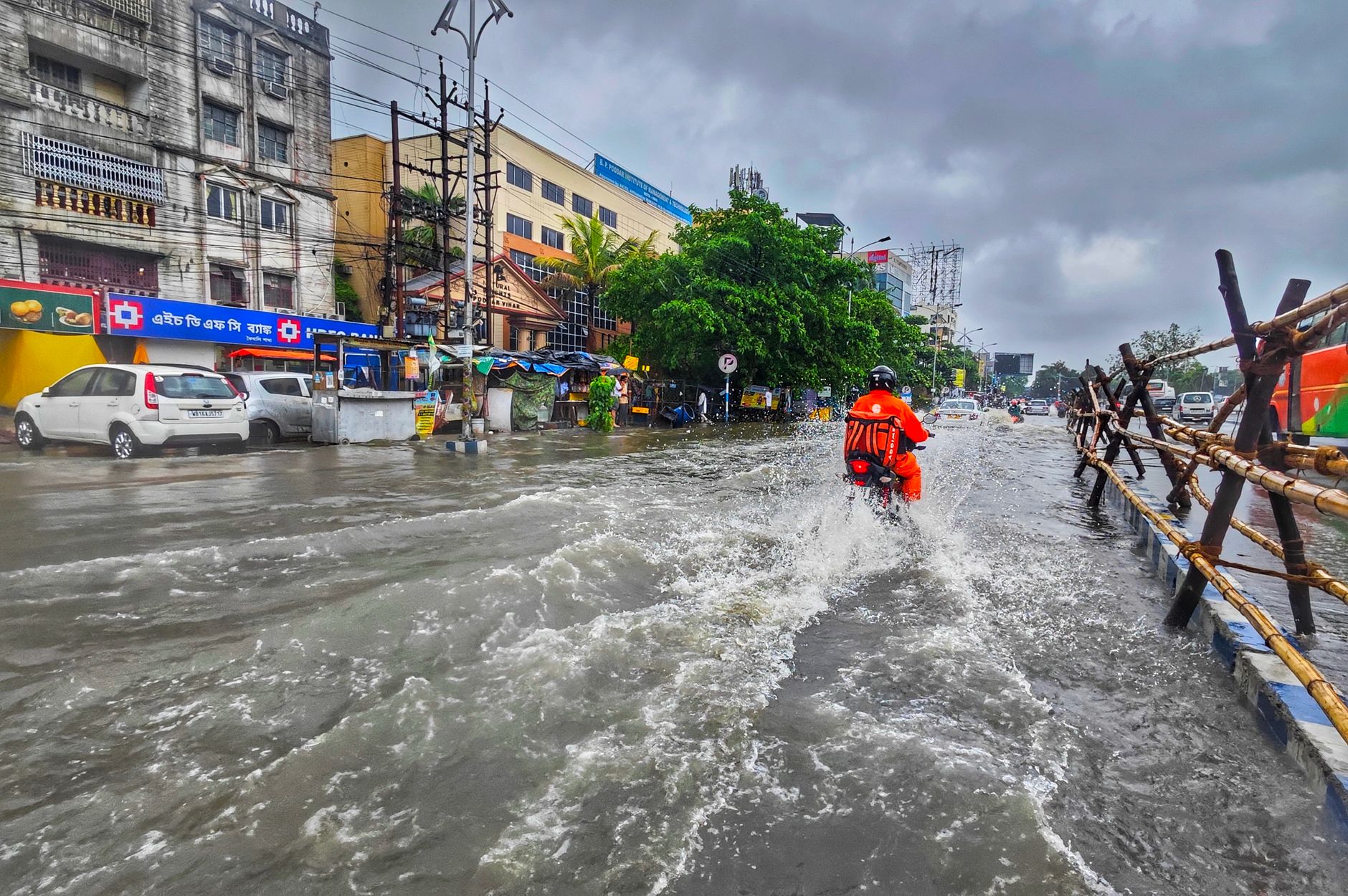
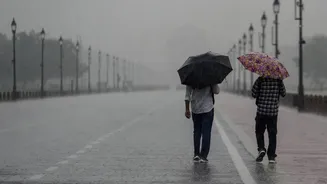
The 2026 monsoon season is already demonstrating El Niño's complex character. Forecasts from mid-August suggest India is on course for its weakest monsoon in nearly two decades. As of early August 2026, cumulative rainfall was already around 12-13% below the national average. However, the real story lies in the distribution. A key feature of recent El Niño-influenced monsoons is not just less rain overall, but more erratic and extreme rainfall events. For instance, a state like Kerala can experience a seasonal deficit while also suffering from severe flooding and landslides triggered by a single week of exceptionally heavy rain, a pattern observed in late July and early August 2026. This 'drought and deluge' paradox complicates everything from farming decisions to disaster management.
From Farms to the National Economy
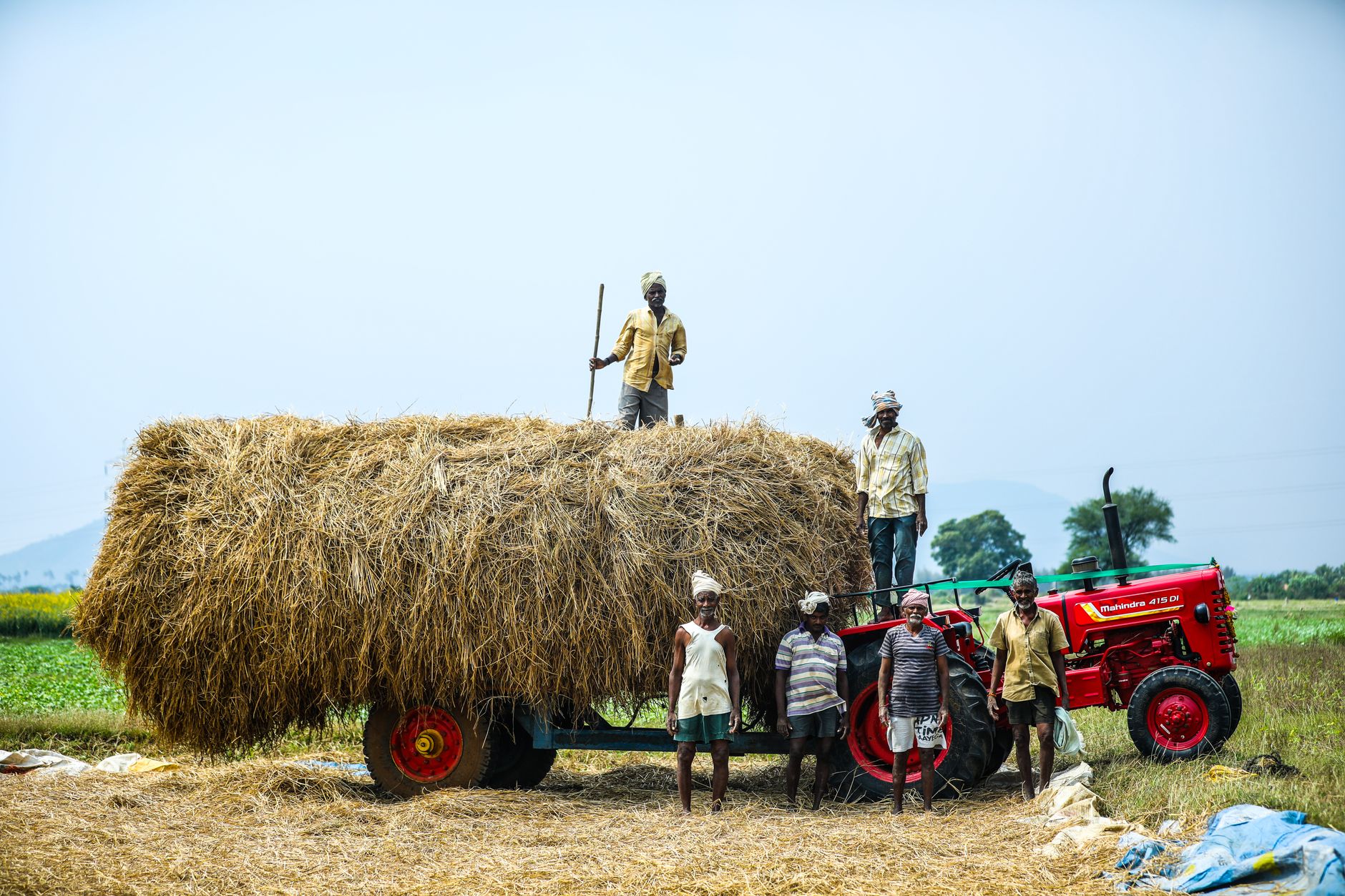
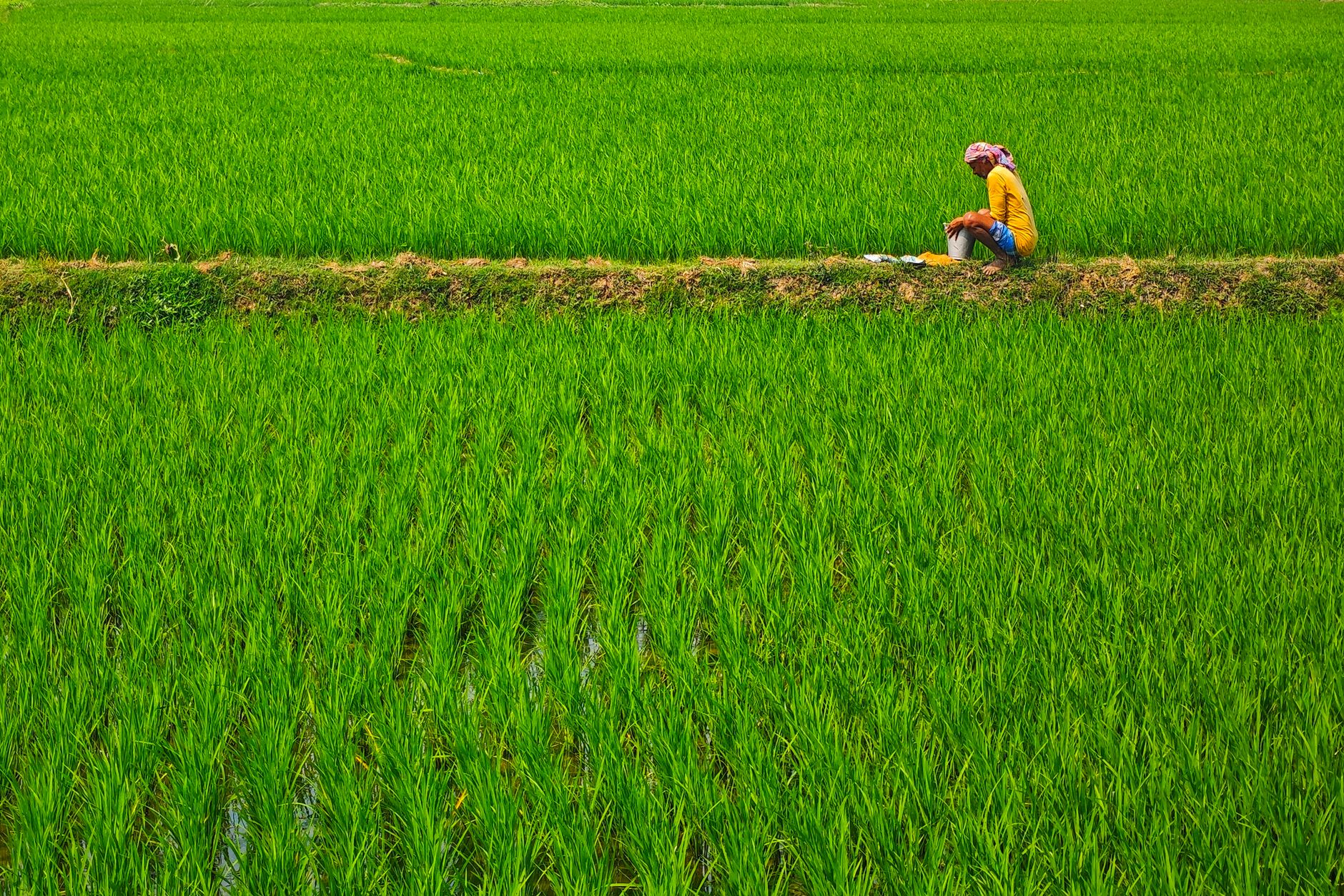
The economic implications of a weak monsoon are vast and interconnected. With nearly half of India's farmland being rain-fed, a rainfall deficit directly threatens the sowing and yield of crucial kharif crops like rice, soybeans, and cotton. This agricultural shock quickly ripples outwards. Reduced output leads to food scarcity and drives up inflation, a major concern for household budgets and the Reserve Bank of India. Beyond food, farmers facing a dry spell increase their reliance on groundwater, pushing up electricity demand for pumps and straining already stressed water tables. The impact on rural incomes reduces demand, and some economists have projected a slowdown in India's overall GDP growth for the fiscal year due to the effects of El Niño.
A Predictable Crisis Demands a Plan
El Niño is not a black swan event; it is a recurring, cyclical pattern. Its arrival serves as a predictable stress test for India's resilience. The current event, which is forecast to be a particularly strong one, is exposing gaps in our long-term planning. In response to the developing situation in 2026, the central government has been reviewing preparedness, focusing on advising farmers on alternative, less water-intensive crops like millets and ensuring adequate grain reserves are available. Prime Minister Narendra Modi has also urged states to focus on water conservation. However, these are largely reactive measures. True climate resilience requires moving beyond managing a single bad season to building systems that can withstand recurring shocks. This involves a fundamental shift in strategy.
Building a Climate-Proof Future
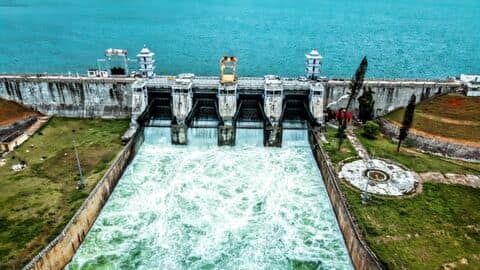
A robust climate plan would treat El Niño as an opportunity to strengthen national systems. This means investing heavily in climate-resilient agriculture, including the widespread adoption of drought-tolerant crop varieties and efficient irrigation techniques like drip and sprinkler systems. It involves a massive push for water conservation and a revival of traditional water bodies to improve groundwater recharge. Early warning systems need to be more sophisticated, providing not just rainfall predictions but actionable advice for specific regions and sectors. Acknowledging that climate change may be amplifying the intensity of El Niño events, the focus must shift from crisis management to long-term adaptation. Without this strategic shift, India will be left managing the same predictable crisis every few years, with the costs borne by its most vulnerable citizens.