


The Resurgence of 'Baked Earth'
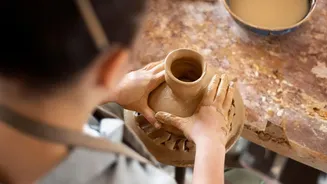
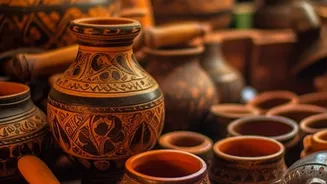
After years dominated by cool greys and stark whites, interior design is embracing warmth again. Terracotta, which literally translates to “baked earth” in Italian, is at the forefront of this shift. This timeless material, used for millennia in everything
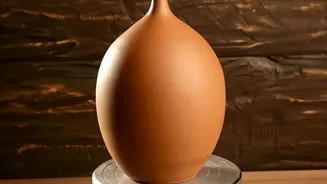
from ancient Roman pottery to rustic tiling, is being celebrated for its ability to make a space feel grounded and welcoming. Unlike the cool, sleek minimalism that has defined the last decade, terracotta brings texture, character, and a connection to the natural world. Design experts note that homeowners are increasingly seeking comfort and a lived-in feel, moving away from colder, more impersonal styles. This resurgence isn't just about nostalgia; it's a deliberate choice to reintroduce organic warmth and personality into the most-used rooms in our homes.
Gen Z's Quest for Authenticity
The generation driving this trend is Gen Z, whose members are shaping interior design with a distinct set of values. For them, a home is an expression of identity, not a showroom of flawless, mass-produced items. This generation prioritizes sustainability, authenticity, and individuality, making terracotta a perfect fit. As a natural, biodegradable material made from clay, it aligns with a growing desire for eco-conscious choices. Research shows that Gen Z consumers are willing to pay more for sustainable products and are drawn to materials that are ethically sourced. Furthermore, the imperfect, handmade quality of many terracotta pieces appeals to a rejection of digital perfection, favoring items that feel personal and unique. They often mix vintage or thrifted items with modern pieces, creating a collected, authentic aesthetic that terracotta complements perfectly.
The Terracotta Kitchen in 2026
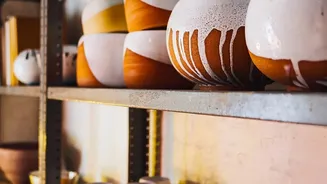
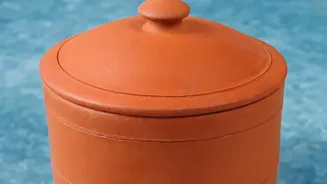
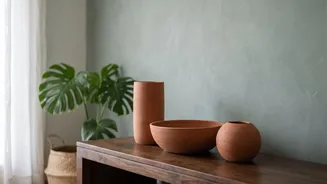
In the kitchen, this trend goes far beyond the classic planter pot. Terracotta is emerging as a popular choice for flooring, backsplashes, and even cabinetry. Its warm, earthy tones, ranging from dusty pink to deep rust, provide a calming and sophisticated alternative to harsher neutrals. We're seeing terracotta tiles in various shapes and patterns, from classic squares to modern stacked layouts, often celebrated for their natural texture and variation. The trend also extends to homewares. Think terracotta utensil holders, dinnerware sets, mixing bowls, and even pendant lights. These items add an instant layer of warmth and a handcrafted feel, blending seamlessly with other natural materials like wood and stone.
Fueled by Social Media
The rapid spread of the terracotta trend is undeniably linked to social media platforms like TikTok and Instagram. Visual-first apps have become a primary source of home decor inspiration for younger generations. The warm, inviting, and highly photogenic nature of terracotta fits perfectly within popular online aesthetics like 'Warm Minimalism,' 'Cottagecore,' and 'Mediterranean Farmhouse'. These trends celebrate spaces that feel cozy, personal, and connected to nature. Influencers and everyday users showcasing their terracotta-accented kitchens inspire millions, creating a feedback loop that solidifies the material's place in the modern home. The desire to create a soothing, aesthetically pleasing home environment—a personal sanctuary—is a recurring theme, and terracotta's earthy tones are seen as inherently calming.
Bringing the Trend Home
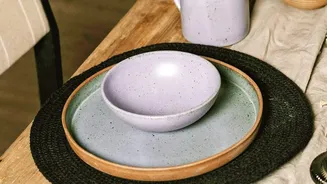
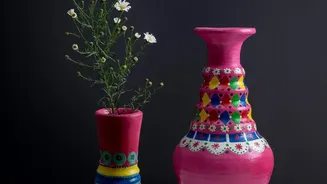
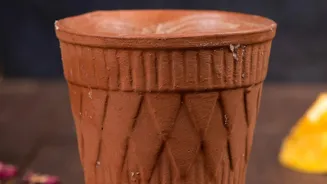
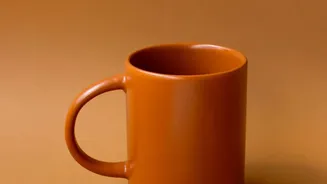
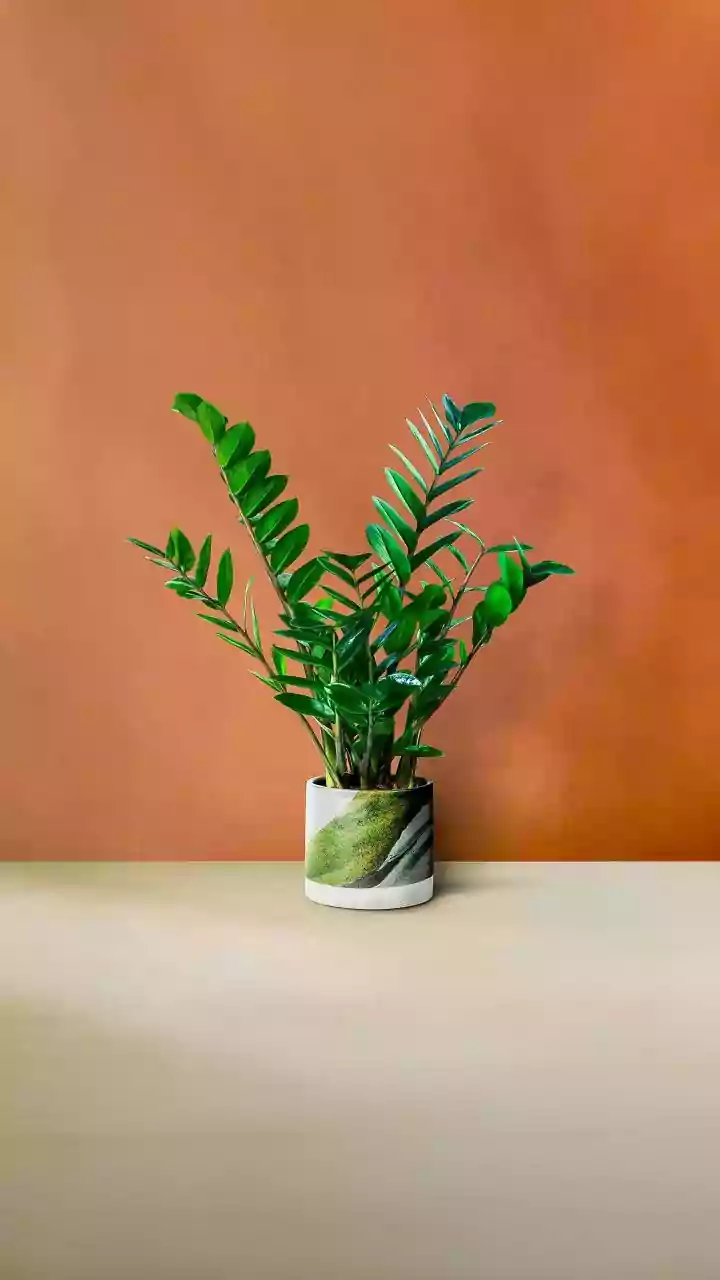
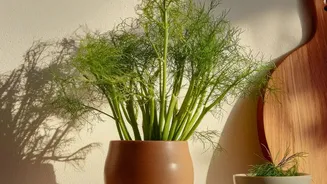
Embracing the terracotta trend doesn't require a full kitchen renovation. You can start small to incorporate its warmth. A simple set of terracotta mugs or a fruit bowl can serve as a beautiful, functional accent on your countertop. Consider a terracotta utensil crock, a vase for fresh greenery, or a collection of small spice bowls. For a slightly bigger commitment, look for woven textiles—like placemats or a table runner—that feature terracotta hues. These small touches can effectively break up the monotony of a neutral kitchen, adding a dash of earthy colour and texture without overwhelming the space. The goal is to introduce pieces that feel both timeless and personal, reflecting the authentic, sustainable ethos at the heart of the trend.