



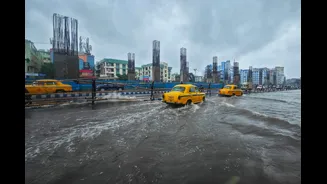
The Illusion of the Familiar Road
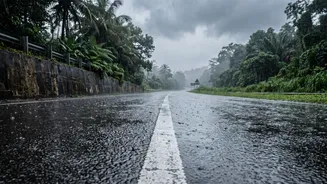
During the monsoon, your daily commute transforms. The road you travel on autopilot every other day of the year is no longer the same. Familiarity breeds complacency, causing us to overlook subtle but significant changes. We might underestimate the depth
of a puddle or ignore a new crack in the asphalt. However, heavy rains can drastically alter the landscape of a route overnight. What was a minor imperfection yesterday could be a hazardous crater today. The greatest risk lies in not adapting our mindset, assuming the path is as safe as it was when dry. This is why your usual route, the one you feel most comfortable on, requires the most vigilance.
The Hidden Dangers of Waterlogging
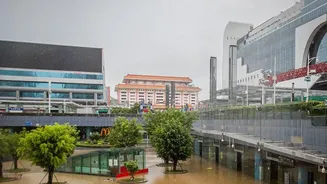
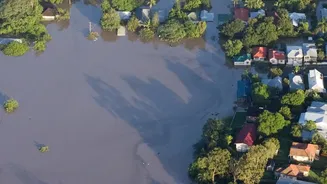
A waterlogged street is more than just an inconvenience; it's a minefield of hidden hazards. What appears to be a shallow puddle can conceal deep, tire-damaging potholes or even open manholes. Floodwater obscures the condition of the road, and driving through it is a gamble. As little as six inches of water can be enough to cause a driver to lose control of their vehicle, and just a foot of water can float many cars. Restarting a car that has stalled in water can lead to hydrostatic lock, causing permanent engine damage. Beyond mechanical risks, this stagnant water is often contaminated with sewage and debris, posing health risks like leptospirosis and other bacterial infections if you have to wade through it.
Invisible Electrical Threats
Water and electricity are a lethal combination, a fact that is dangerously relevant during urban flooding. Heavy rain and winds can cause power lines to snap and fall, often into waterlogged areas. These downed lines can energize the surrounding water, creating a deadly, invisible hazard. Similarly, submerged electrical boxes and damaged streetlamp poles pose a significant risk of electrocution. It is impossible to know if a body of water is electrified just by looking at it. Authorities advise treating all floodwater as potentially energized. Never enter a flooded area, and if you see a downed power line, maintain a safe distance of at least 10 metres and report it immediately.
Roads That Deceive and Degrade
Monsoon rains are a primary cause of road degradation. Water seeps into existing cracks in the pavement, weakening the underlying layers of soil and gravel. The constant pressure from traffic then causes the weakened surface to collapse, creating potholes. These potholes, especially when filled with rainwater, are deceptive. Their depth becomes impossible to judge, turning what looks like a harmless puddle into a hazard capable of causing serious damage to your vehicle's tires, wheels, and suspension. On roads with poor drainage, the erosion can be even more severe, leading to larger sinkholes or washed-out sections of road that may not have been there on your morning commute.
A Smarter, Safer Commute Strategy
Navigating the monsoon requires a shift from habit to active planning. Before you leave, check weather forecasts and traffic updates using apps like the IMD's 'Mausam' or real-time traffic maps that flag waterlogged areas. If heavy rain is predicted, consider delaying non-essential travel or starting your journey earlier. While driving, reduce your speed significantly to account for longer braking distances on wet roads and to avoid hydroplaning. Maintain double the usual distance from the vehicle in front of you. Keep your headlights on low beam for visibility, but avoid using hazard lights while moving, as it confuses other drivers. Finally, listen to local advice; traffic police updates on social media and even local residents often have the most current information about which routes are impassable.