






The Journey Begins at the Source
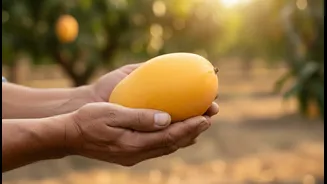
The first step in this better food trip is back at the farm, where a quiet revolution is taking root. For generations, many Indian farmers have been squeezed by a long chain of middlemen, often receiving only a small fraction of the final price you pay.
The farm-to-table movement changes this dynamic by creating direct links between growers and buyers. This ensures farmers get fairer prices, a stable income, and valuable feedback on what consumers want. In response, farmers can focus on what they do best: cultivating high-quality, often organic or pesticide-free, produce. Initiatives like Community Supported Agriculture (CSA) are becoming more popular, where consumers invest in a farm's harvest upfront, sharing both the risks and the bounty. This provides farmers with financial stability and allows them to invest in more sustainable, nature-positive farming practices.
A Modern Path to Market
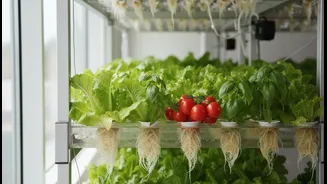
The traditional route from farm to city has often been complex and inefficient. Now, technology and new business models are creating a more direct path. Agritech startups across India are building digital platforms that connect farmers directly with restaurants, retailers, and home consumers, effectively creating a digital farmers' market. Companies like DeHaat, AgroStar, and Ninjacart are providing millions of farmers with everything from high-quality seeds to market access, using data to match supply with demand. These platforms reduce waste, improve transparency, and ensure that the food arriving in cities is fresher. Alongside this digital shift, physical farmers' markets are also seeing a resurgence in popularity. These markets offer consumers the chance to meet growers face-to-face, learn about where their food comes from, and support the local economy directly.
The Chef's Embrace
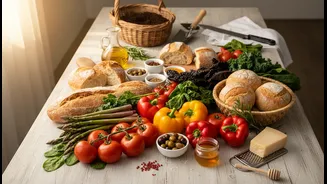
Nowhere is the impact of this movement more visible than on the menus of India's most innovative restaurants. Chefs are eagerly embracing the farm-to-fork philosophy, championing fresh, seasonal, and locally sourced ingredients. Restaurants like The Table in Mumbai, which sources produce from its own farm, and others that partner with local growers, are crafting dishes that tell a story of the region's agricultural heritage. For these culinary artists, it's about more than just a trend; it's about superior flavour and quality. Food that travels less distance simply tastes better and is more nutritious. This focus on hyper-local ingredients not only creates unforgettable dining experiences but also helps preserve traditional crop varieties and sustainable farming techniques.
Bringing the Connection Home
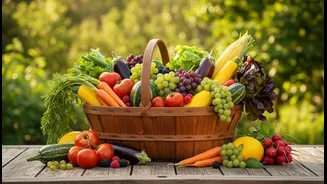
Ultimately, this journey ends in our homes, where the choices we make as consumers have the power to shape the entire food system. The rise of home delivery services for farm-fresh produce and the increasing availability of organic options are making it easier than ever for families to participate in this movement. By consciously choosing to buy local, whether through a CSA subscription, a farmers' market, or a direct-to-consumer app, you are casting a vote for a more sustainable and equitable food future. This connection brings numerous benefits: fresher, healthier food for your family, a reduced carbon footprint from less transportation, and the satisfaction of supporting local farming communities. It’s a return to a more traditional way of eating, where food is not just a commodity, but a link to the land and the people who nurture it.