







From Tradition to Toxins
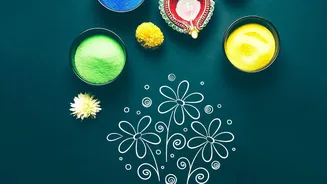
Historically, Rangoli was an art form deeply connected with nature. The classic white powder was made from ground rice, a gesture of sustenance for ants and birds, symbolizing harmony with all living beings. Colours were derived from the kitchen and garden:
turmeric for yellow, kumkum for red, and crushed leaves for green. It was a practice rooted in gratitude and coexistence. Over time, convenience led to a shift towards mass-produced synthetic powders. These offered brighter hues and were readily available, but this vibrancy came at a hidden cost. These modern powders often contain chemicals like lead, mercury, and other industrial dyes that are a world away from the nourishing origins of rice flour and turmeric.
The Hidden Costs of Chemical Colours
The convenience of synthetic Rangoli powders masks significant risks to both health and the environment. Chemicals such as lead, mercury, and chromium can cause skin allergies, irritation, and respiratory issues, especially for those who spend hours creating detailed designs. For children and pets, the risk of accidental ingestion or exposure is even greater. The environmental toll is just as severe. When washed away, these chemical-laden powders pollute soil and water sources, harming local ecosystems. The fine particulate matter can also contribute to air pollution. This awareness has prompted a growing number of people to question whether the momentary brilliance of a chemical-based Rangoli is worth the long-term impact on their health and surroundings.
A Creative Return to Natural Roots
In response to these concerns, a powerful counter-movement is taking shape, one that looks to the past to inspire a sustainable future. Households across India are rediscovering the joy of making their own eco-friendly colours. This revival is not just about safety; it's a celebration of creativity and resourcefulness. Kitchen staples like rice flour, gram flour, and turmeric are once again becoming the base for Rangoli colours. For vibrant shades, people are turning to dried and powdered flower petals from marigolds and roses, beetroot for deep reds, and spinach or mint leaves for fresh greens. Coffee grounds and cinnamon sticks provide earthy brown tones. This return to natural materials transforms the creation of Rangoli into a mindful family activity, connecting generations through a shared, sustainable practice.
More Than Just an Artistic Choice
Choosing to use eco-friendly Rangoli materials is more than just an aesthetic preference; it is a conscious statement. It signifies a move away from thoughtless consumption towards mindful celebration. This choice reflects a deeper understanding of tradition, where rituals are not just performed but are lived with intention and responsibility. By opting for natural ingredients, individuals are actively participating in a form of grassroots environmentalism. They are reclaiming the spiritual essence of Rangoli, where beauty is intertwined with benevolence—feeding small creatures, nurturing the soil, and keeping the home safe from toxins. It's a small act that carries a powerful message: our festivals can be both beautiful and benign.
Part of a Greener Festival Landscape
The shift in Rangoli materials is not happening in isolation. It is a key part of a broader, nationwide movement towards 'green' festivals. From the use of clay Ganesha idols that dissolve harmlessly in water to the rejection of single-use plastics in community pandals, Indians are increasingly seeking ways to celebrate with a lighter environmental footprint. The 'Swachh Diwali, Shubh Diwali' campaign and other similar initiatives encourage practices like waste segregation, using locally made clay diyas instead of plastic lights, and repurposing floral waste. This collective effort shows that traditions are not static; they can evolve to address contemporary challenges while retaining their core cultural significance.