




The Challenge of the Urban Sky
For most city dwellers, the night sky is a frustratingly blank canvas. The combined glow of streetlights, office buildings, and homes creates a phenomenon known as light pollution, which washes out all but the brightest celestial objects. This artificial
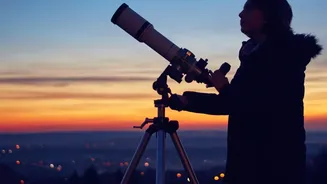
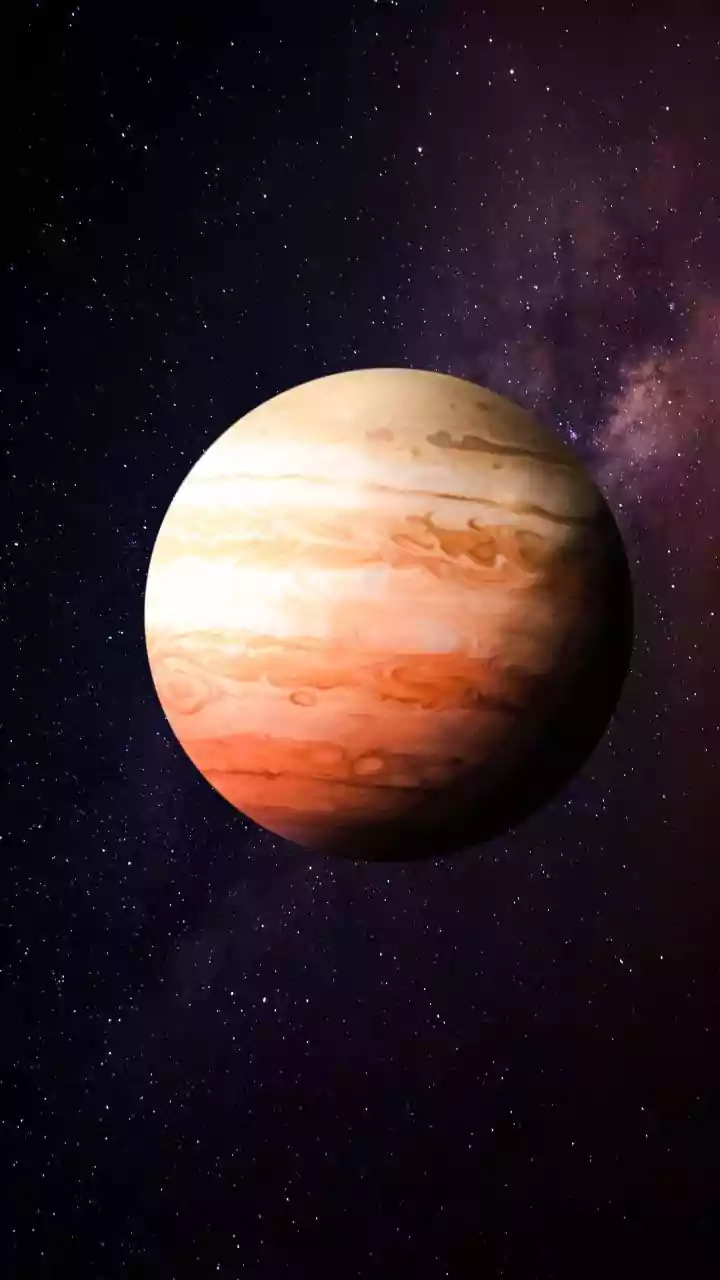
twilight can make it impossible to spot faint stars, nebulae, or even the subtle sweep of the Milky Way. While the Moon and a few bright planets like Jupiter and Saturn might occasionally pierce through the haze, the true depth and wonder of the cosmos remain hidden. This doesn't mean stargazing is impossible; it just requires a different approach and a little technological assistance.
Your Pocket-Sized Planetarium
This is where astronomy apps transform the game for urban stargazers. Using your phone's GPS, compass, and gyroscope, these apps create an augmented reality (AR) window to the sky. By simply pointing your phone upwards, the app identifies exactly what you're looking at, overlaying names, constellations, and planetary data on your screen. Even if a star is too faint for your eyes to see against the city glow, the app knows it's there. This turns a sky of a few lonely dots into a rich, labelled map, allowing you to understand the celestial geography above you regardless of visibility.
Essential Apps for City Stargazing
Several apps are particularly well-suited for the urban astronomer. Star Walk 2 is praised for its beautiful design and user-friendly interface, making it a great choice for beginners. Its AR overlays are visually appealing and it can help you identify planets, constellations, and satellites in real time. Stellarium Mobile, the pocket version of a powerful desktop planetarium, offers a massive database of stars and deep-sky objects in its free version, making it excellent for those who want accuracy and depth. For a very user-friendly experience, SkyView Lite is another fantastic option that uses AR to help you identify objects effortlessly. Many apps also include features that show you the sky at a future date or time, helping you plan when a particular planet or constellation will be in the best position for viewing. For users in India, the Bhagol app offers a unique experience by mapping the sky according to Indian astronomical traditions, including the 27 nakshatras.
Finding the Best Urban Viewing Spot
While an app can identify what's hidden, finding a better location can help reveal it. The key is to minimize direct, glaring light. Head to a large park, a sports field, or any open area where you can get away from the immediate glare of streetlights. Rooftops or balconies on higher floors can also be effective, as they lift you above some of the most intense ground-level light. Try to find a spot with a wide, unobstructed view of the sky, particularly towards the zenith (the point directly overhead), as this is often the darkest part of the sky in a city. Observing after 11 p.m. can also improve conditions, as many commercial and traffic lights are turned off, slightly reducing the overall skyglow.
Tips for a Better Viewing Experience
Once you have your app and your spot, a few extra steps can make a big difference. First, give your eyes at least 15-20 minutes to adapt to the darkness; avoid looking at your bright phone screen during this time. Many astronomy apps feature a red-light mode, which preserves your night vision while still allowing you to use the app. Also, check the weather forecast for clear, dry nights, as humidity and dust can scatter city light and worsen visibility. Finally, be patient. Even in a city, your eyes can pick out more than you think if you give them a chance. Use your app to identify the location of a bright star cluster or planet, then lower the phone and try to spot it with your own eyes.