



The Science of 'Electric' Hair
At its core, static hair is a matter of basic physics involving atoms and their charges. Your hair, like everything else, is made of atoms which have positively charged protons and negatively charged electrons. Normally, these charges are balanced. However,
friction from a brush, a winter hat, or even just strands rubbing together can strip electrons away, leaving your hair with a net positive charge. When individual strands are all positively charged, they repel each other—much like trying to push the same ends of two magnets together. This repulsion is what causes your hair to fly away and stand on end.
The Role of a Dry Climate
The real culprit that sets the stage for static is a lack of humidity in the air. Water is a natural conductor, and the moisture normally present in the air helps to dissipate any excess electrical charge that builds up on your hair. During drier seasons, like winter, or in arid climates, there's not enough water vapour in the atmosphere to neutralise this charge. Indoor heating further strips moisture from the air, making the problem even worse. Without this humid escape route, the static charge remains on your hair, leaving it prone to that 'mad professor' look.
How Leave-In Conditioners Change the Game
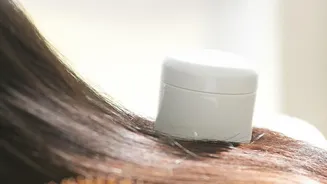
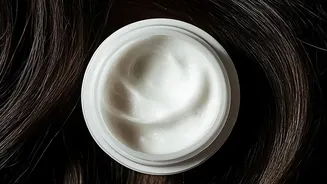
This is where leave-in conditioners come in as a daily hero for your hair. Unlike rinse-out conditioners, leave-in formulas are designed to stay on the hair, providing a continuous barrier against the elements that cause static. Their primary functions are twofold: to deeply hydrate the hair and to neutralise the electrical charges that cause strands to repel each other. By tackling both dryness and the charge imbalance, a good leave-in conditioner effectively stops static before it can even start.
The Ingredients That Fight Static
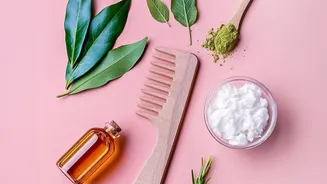
The magic of leave-in conditioners lies in their specific ingredients. Many formulas contain 'cationic' ingredients, such as behentrimonium chloride or polyquaterniums. Hair naturally has a negative charge, especially when damaged, and these positively-charged (cationic) molecules are attracted to it. They bond to the hair surface, neutralising the charge and preventing static. Additionally, ingredients like glycerin, panthenol, and natural oils act as humectants and emollients. Humectants draw moisture into the hair, while oils and silicones smooth the cuticle, reducing friction and preventing the initial charge build-up.
Making the Most of Your Product
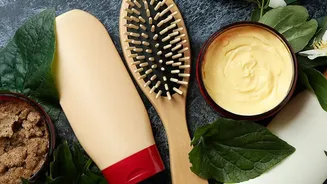
For the best results, application is key. A leave-in conditioner should be applied to damp, towel-dried hair, concentrating on the lengths and ends where hair is typically driest and most prone to damage. Using a wide-tooth comb to distribute the product ensures every strand gets an even coating. For those with particularly fine hair, a lightweight spray formula can provide the necessary moisture without weighing hair down. On days when you don't wash your hair, you can even apply a small amount to dry hair to tame any unexpected flyaways and keep your style looking smooth and controlled.