




Beyond the Postcard View
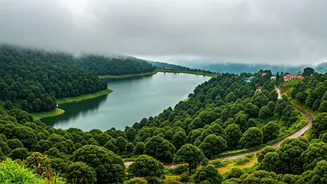
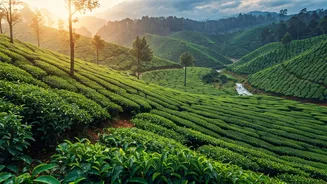
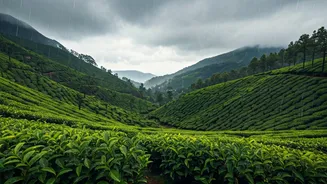
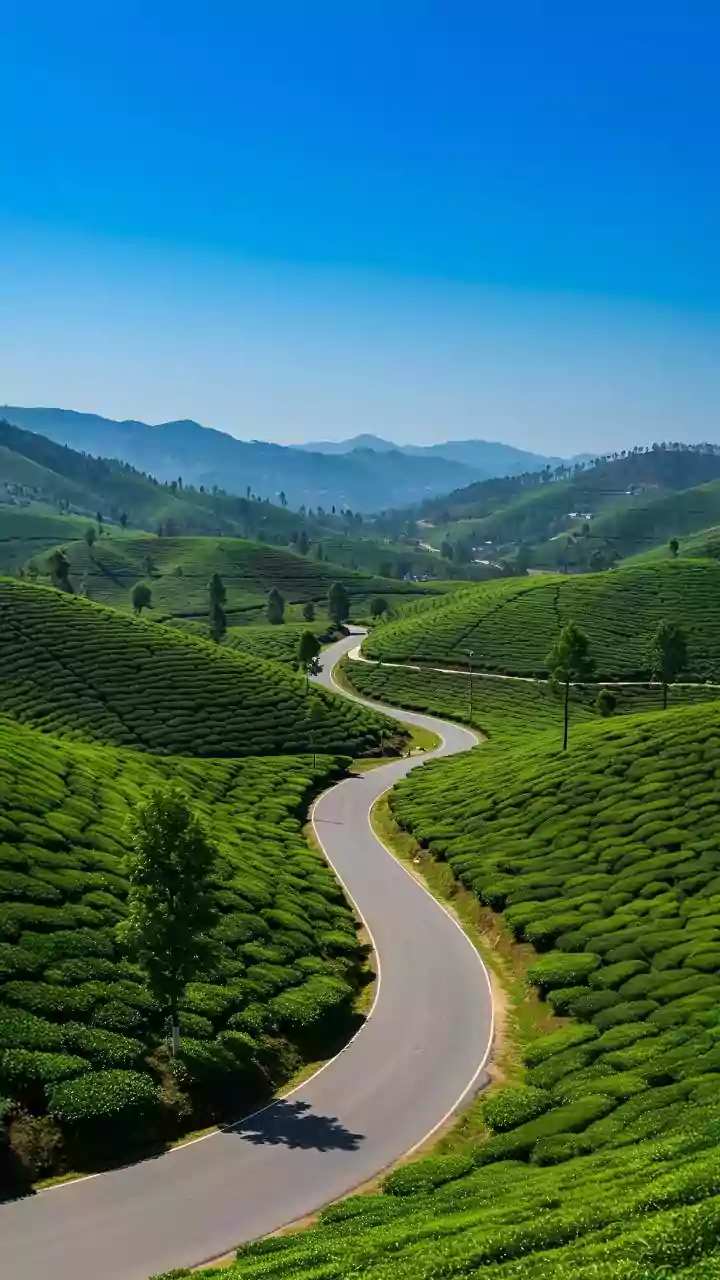
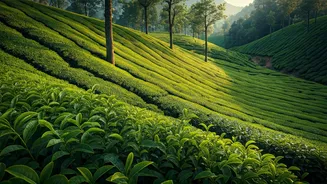
For decades, Munnar has captivated travellers with its seemingly endless carpet of tea gardens, misty mountains, and cool, crisp air. As a former resort for the British Raj elite, the region is steeped in a history of plantation life. [9] While many visitors
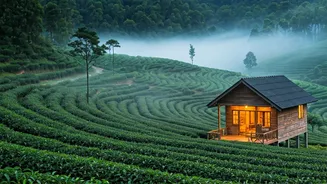
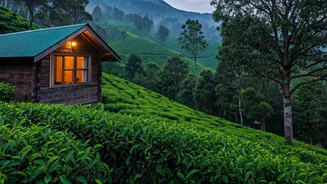
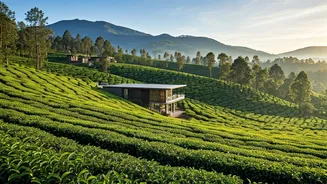
experience this beauty from viewpoints along the road or during brief stays in the bustling town, a new, more intimate way to connect with the hills is emerging. Imagine waking up not just near the tea gardens, but inside one. This is the promise of a select few eco-villas and plantation stays, hidden gems that offer unparalleled seclusion and a front-row seat to the rhythms of estate life.
The Eco-Conscious Philosophy
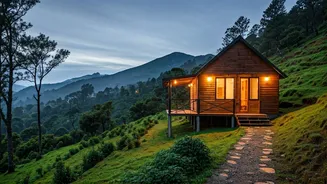
The term 'eco-villa' is more than just a label; it represents a fundamental commitment to sustainability. [5] These properties are designed to blend with, not dominate, their surroundings. Many employ vernacular architecture, using local, sustainable materials like bamboo, recycled wood, and traditional stone. [5] The goal is to minimise the environmental footprint. This philosophy extends to operations, with many resorts implementing solar power for water heating, rainwater harvesting systems, zero-waste policies, and a strict ban on single-use plastics. [5, 8] Some, like SpiceTree Munnar, even go as far as to plant two trees for every booking, aiming to restore the region's natural forests. [8] The focus is on proving that luxury can coexist with conservation.
A Day in a Plantation Villa
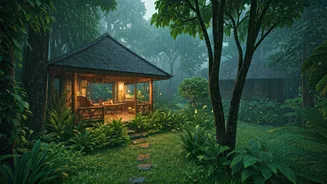
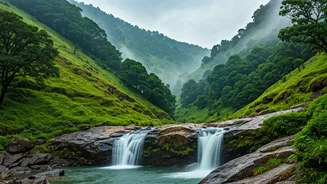
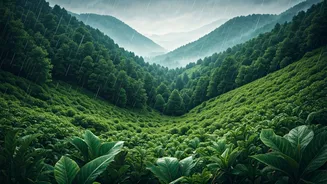
Life at an eco-villa moves at a different pace. Mornings begin with the sound of the Malabar Whistling Thrush and views of mist lifting off the tea bushes. [5] Instead of televisions and conventional distractions, these stays offer tranquility and fresh mountain air. [2] Days are filled with guided nature walks, soft trekking through shola forests, or simply relaxing on a private veranda overlooking a valley. [9] Dining is often an experience in itself, with menus dictated by what is fresh and local. Many properties, such as Windermere Estate and SpiceTree Munnar, feature organic gardens, serving farm-to-table meals that highlight authentic Kerala cuisine. [8, 12] Evenings might bring a campfire under the stars or the simple pleasure of listening to the chirping of cicadas. [9]
Spotlight on Secret Retreats
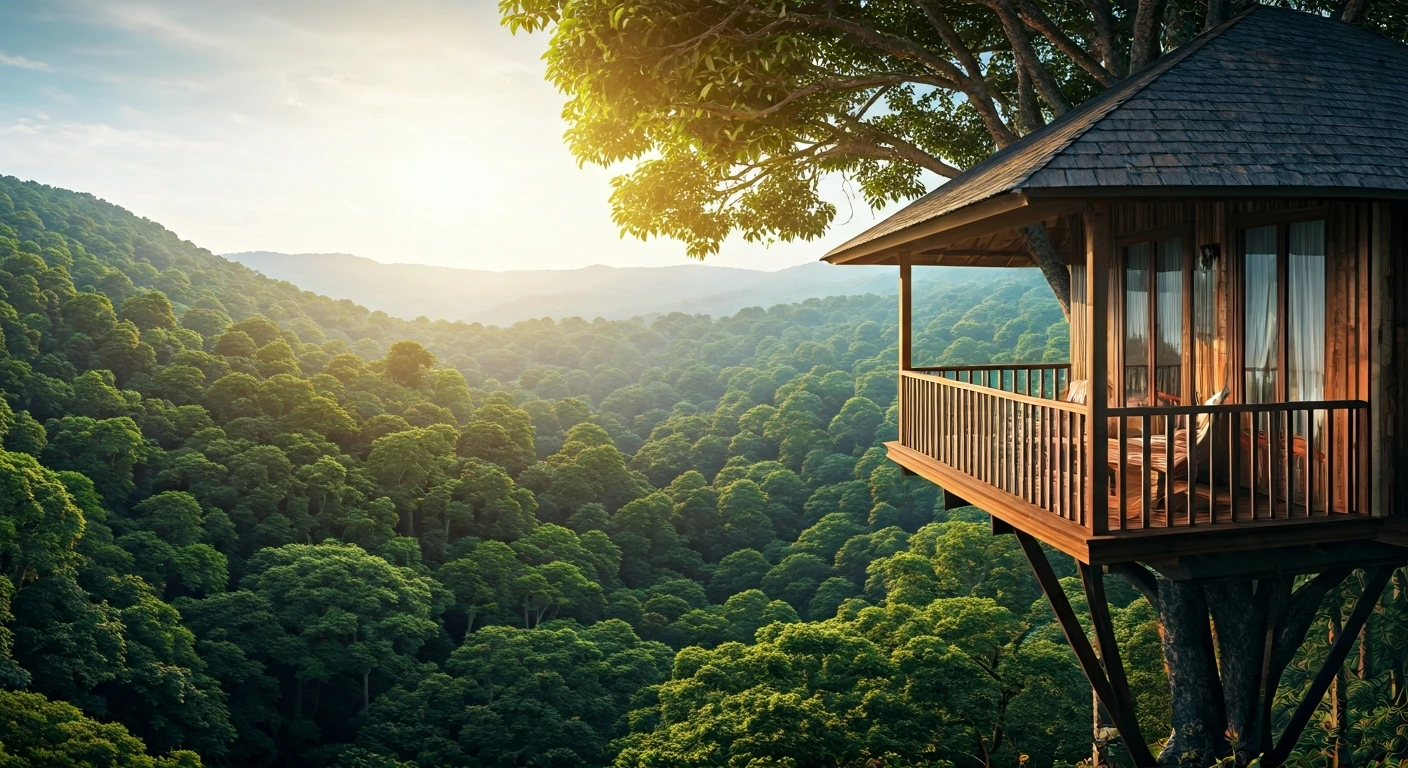
While some properties are well-known, others remain delightfully secluded. Places like Ela Ecoland Nature Retreat offer a rustic, off-grid experience within a private cardamom and coffee plantation, featuring unique stays like treehouses and rock houses. [2] For a taste of history, colonial-era bungalows like the Arivikad Tea Bungalow, built in the 1920s and located deep within the Kanan Devan Hills plantations, offer an authentic heritage experience with just a couple of rooms to ensure privacy. [13] Then there are properties like The Tall Trees, where individual cottages are built on stilts within 66 acres of forested woodland, creating a feeling of being completely immersed in nature. [9] These stays prioritise seclusion, often located kilometres away from public roads. [11]
Planning Your Green Getaway
To find these authentic eco-resorts, it helps to look toward specific high-altitude areas. Chinnakanal and Suryanelli are known for valley views and proximity to the world's highest organic tea estate, while locations like Letchmi Estate offer stays at over 5,000 feet. [5] Because these villas are often small and exclusive, booking in advance is highly recommended, especially during peak season from September to March. When booking, inquire about their specific sustainability practices. Many true eco-resorts are proud to share their commitment to responsible tourism, from waste management to community engagement. [7] Be prepared for a more disconnected experience; while some offer WiFi, many, like Ela Ecoland, have limited mobile reception and intentionally exclude televisions to encourage guests to connect with their surroundings. [2, 4]