


A New Way of Seeing
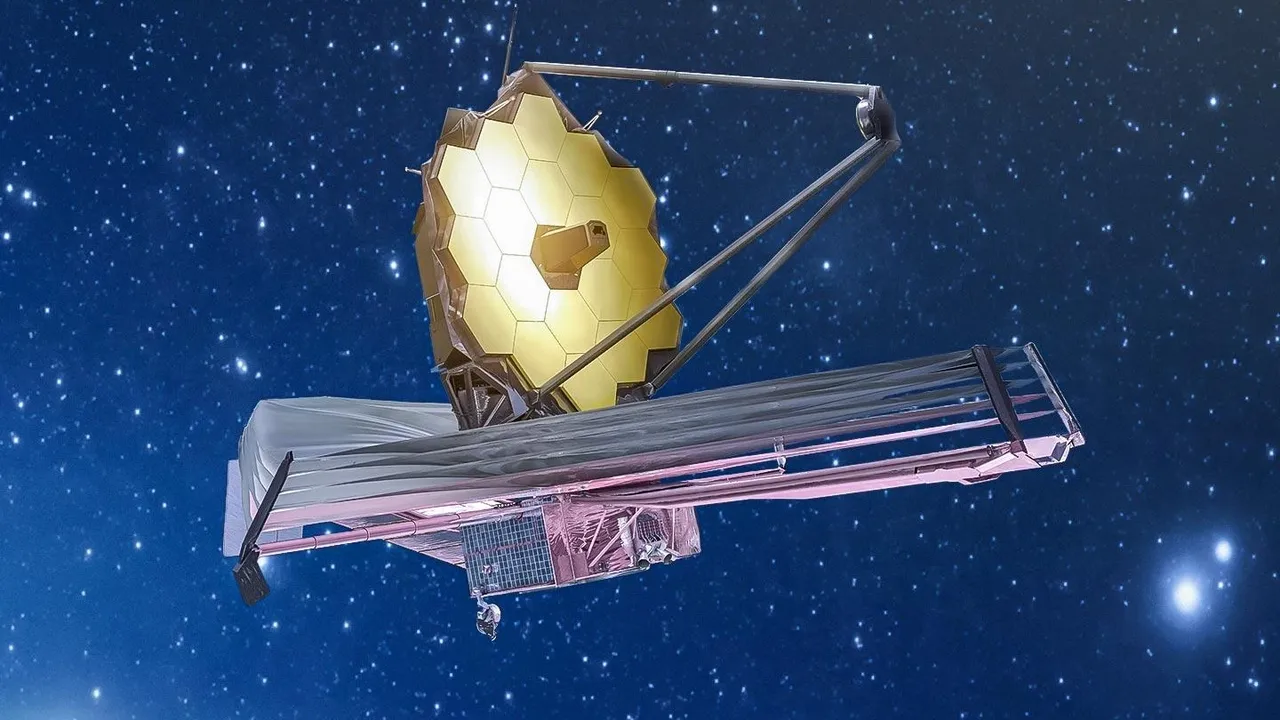
For decades, the Hubble Space Telescope was our primary eye on the cosmos, observing mainly in visible and ultraviolet light. The JWST, however, is designed to see the universe in infrared, which we perceive as heat. This is a monumental shift. Infrared
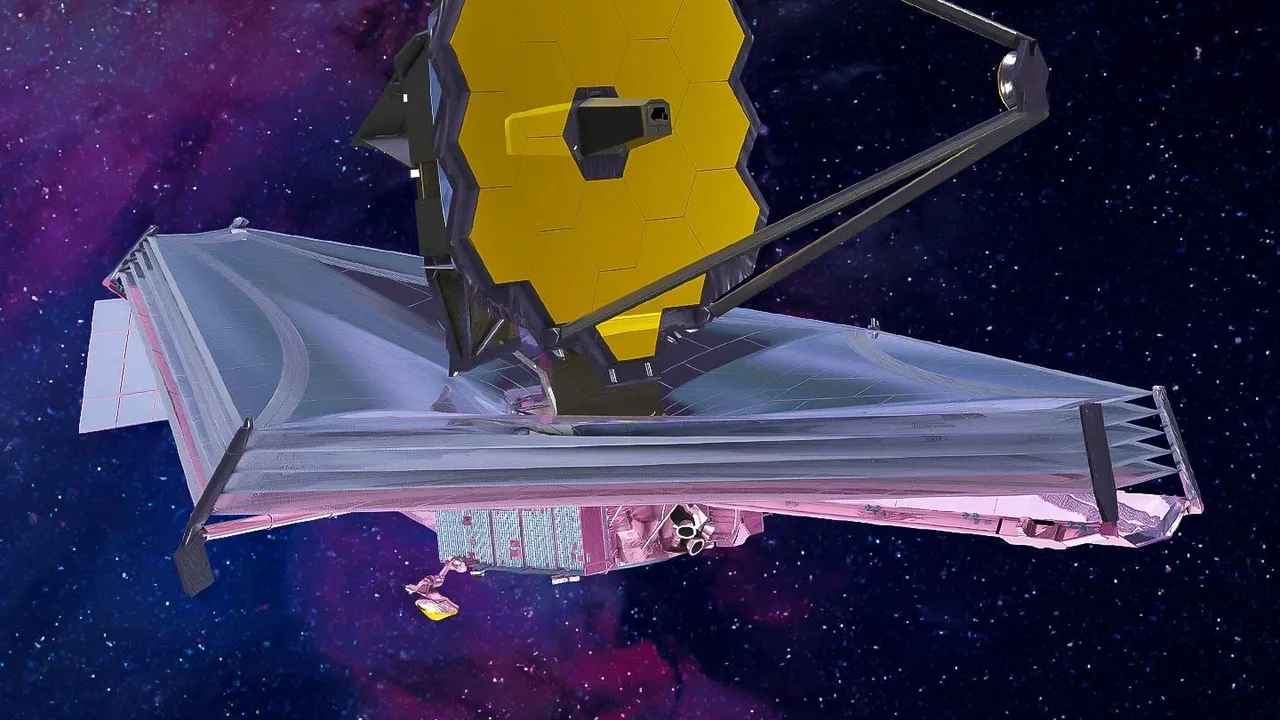
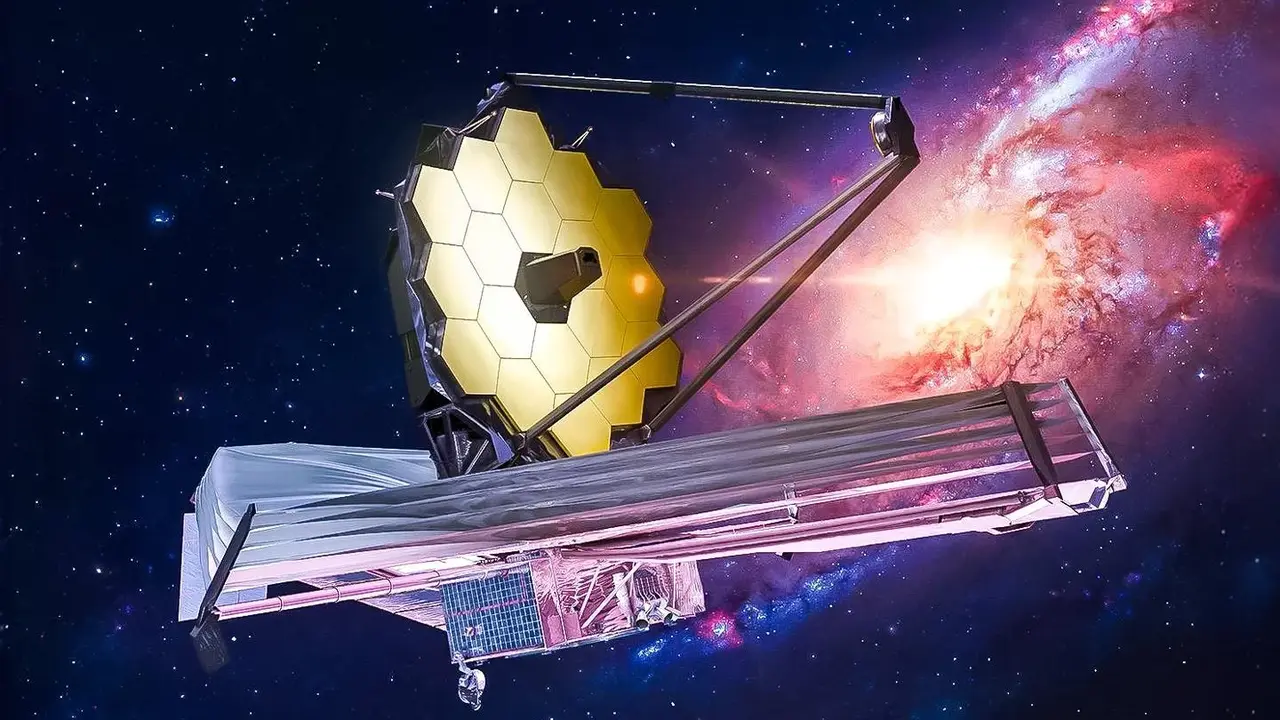
light has longer wavelengths, allowing it to bypass vast clouds of cosmic gas and dust that obscure visible light. This gives astronomers an unprecedented ability to peer into stellar nurseries, the cores of galaxies, and the farthest reaches of space. Because the telescope itself emits heat, it must operate in extreme cold, orbiting the sun 1.5 million kilometers from Earth, far beyond the Moon. Its massive, gold-coated mirror, over six times larger in area than Hubble's, captures the faint, ancient light that has traveled for billions of years.
The Cosmic Time Machine
One of Webb's primary missions is to look back toward the dawn of time. Because the universe is expanding, light from the first stars and galaxies is stretched as it travels across space, shifting from visible and UV light into the infrared spectrum—a phenomenon known as 'redshift'. Webb's infrared sensitivity makes it a powerful time machine, capable of detecting this redshifted light. Scientists are using it to study galaxies that formed just a few hundred million years after the Big Bang. These observations have already challenged existing theories, revealing surprisingly bright and complex galaxies in the early universe, some with black holes that seem far too massive for their age. This tells us the early universe may have evolved much faster than we previously thought.
Unveiling Stellar Nurseries
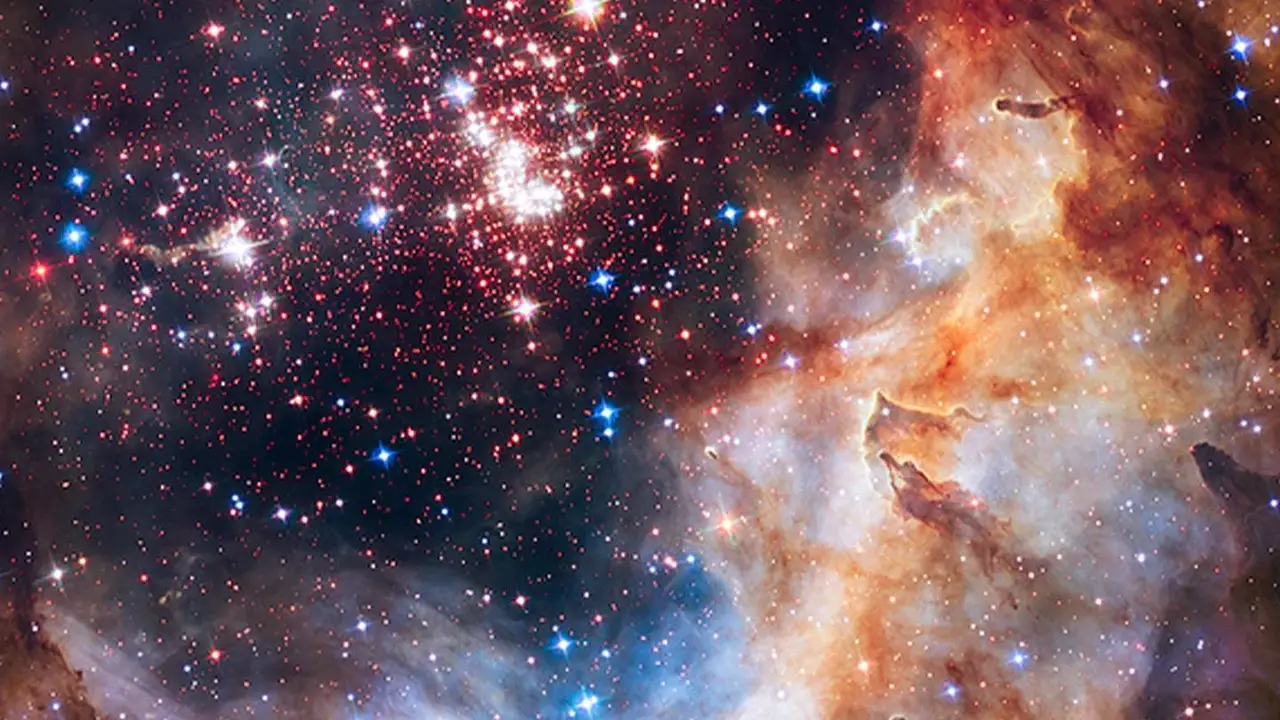
Stars are born inside dense, opaque clouds of gas and dust that are impenetrable to visible-light telescopes. Webb's infrared instruments can pierce through these cocoons, revealing the chaotic and beautiful process of star and planet formation in stunning detail. Images of regions like the Carina Nebula's "Cosmic Cliffs" show hundreds of previously hidden newborn stars and the dramatic landscapes they carve with their powerful stellar winds. By studying these stellar nurseries, scientists can witness the earliest stages of solar system development in real-time, helping to answer fundamental questions about how our own Sun and planets came to be.
Analyzing Alien Atmospheres
Beyond observing distant galaxies, Webb is revolutionizing the study of exoplanets—planets orbiting other stars. When an exoplanet passes in front of its star, the telescope can analyze the starlight that filters through the planet's atmosphere. Different gas molecules absorb specific wavelengths of light, leaving behind a chemical fingerprint. Webb has already made the first definitive detection of carbon dioxide in an exoplanet's atmosphere and provided detailed profiles of water, clouds, and haze on distant worlds. These capabilities are a milestone in the search for habitable planets, as astronomers hunt for biosignatures—the chemical hints of life—on rocky, Earth-sized worlds in other solar systems.