






Choose an Earth-Friendly Idol
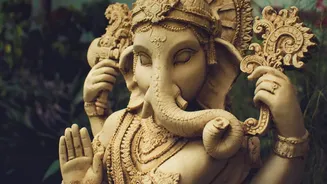
The heart of the celebration is the idol, and choosing the right one is the most significant sustainable step. Forgo the traditional Plaster of Paris (PoP) idols, which are non-biodegradable and release harmful chemicals like lead and mercury into the water
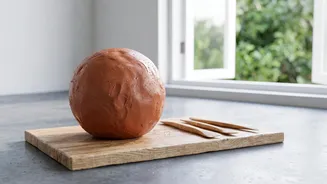
upon immersion. These materials take months, if not years, to dissolve and cause severe water pollution, harming aquatic life. Instead, opt for idols made from natural materials like shadu mati (natural clay), which dissolves cleanly in water within hours. You can also find or make idols from turmeric, rice flour, or even chocolate. Some innovative options include "plantable" Ganeshas made of red soil and organic fertilizer, containing seeds that can grow into a plant after the festival, beautifully symbolising the cycle of life.
Decorate with Nature's Palette
Move away from plastic and thermocol decorations, which contribute to pollution. Instead, create a beautiful and natural setting for Bappa. Use fresh flowers like marigolds and jasmine, along with mango and banana leaves, to adorn your mandap. You can repurpose old silk sarees or colourful dupattas to create a vibrant backdrop. For lighting, choose traditional terracotta diyas or reusable brass lamps over plastic string lights to conserve energy and add a warm, authentic glow. You can even craft your own decorations from paper, cloth scraps, or other recycled materials found at home, making the process a fun family activity.
Embrace a Gentle Visarjan
The farewell to Lord Ganesha, or visarjan, can be both poignant and eco-conscious. Instead of immersing the idol in crowded and polluted lakes or rivers, perform a symbolic immersion at home. This is easily done by placing your biodegradable idol in a bucket or a tub of water on your balcony or in your garden. After performing the final aarti, gently submerge the idol. A natural clay idol will dissolve in a few hours. This nutrient-rich clay water can then be poured into your potted plants, allowing Bappa to return to the earth and continue nurturing life in your own home.
Mindful Offerings and Waste Management
Festivities often generate significant waste, but a little planning can make a big difference. Serve prasad and other offerings on reusable plates or natural banana leaves instead of disposable plastic or paper ones. After the celebrations, it's crucial to manage the floral waste responsibly. India generates an estimated 8 million tonnes of floral waste annually from temples and festivals, much of which pollutes rivers and landfills. You can set up a small compost pit at home for all organic materials like flowers, garlands, and leftover food. This compost can later be used as a natural fertilizer for your garden, ensuring that nothing goes to waste.