




The Great Indian Protein Gap
Our meals are a vibrant mix of grains, vegetables, and lentils. Yet, research reveals a significant “protein gap.” Surveys indicate that a large percentage of the Indian population, across both urban and rural areas, consumes less protein than recommended.
This isn't because our food is unhealthy, but because the structure of our meals is often carbohydrate-dominant. Plates filled with rice or roti, accompanied by a small portion of dal or sabzi, can lead to an intake of only 30-40 grams of protein a day, well below what most adults need. This subtle, chronic deficit can contribute to a range of health issues that many don't associate with diet, such as fatigue, hair fall, and poor immunity.
More Than Just Muscle
The conversation around protein is often dominated by images of bodybuilders and gym-goers, creating the myth that it’s only for athletes. This couldn't be further from the truth. Protein is a fundamental building block for every cell in our body. It’s essential for building and repairing tissues, creating enzymes and hormones, and maintaining a robust immune system. When protein intake is low, it’s not just muscle that suffers. You might experience mood changes, poor concentration, and find that minor cuts and scrapes take longer to heal. For older adults, adequate protein is crucial to prevent age-related muscle loss and maintain mobility.
How Much Do You Really Need?
Calculating your protein requirement doesn't have to be complicated. A widely accepted guideline from the Indian Council of Medical Research (ICMR) is a baseline of 0.83 grams of protein per kilogram of body weight for a healthy, sedentary adult. For a 60 kg person, this translates to about 50 grams per day. However, for those who are more active, pregnant, or aiming to manage their weight, this need increases to between 1.0 and 1.2 grams per kilogram. The goal isn't to obsessively count every gram, but to be mindful of whether your daily meals are getting you into the right ballpark.
Powering Up Your Plate: Practical Tips
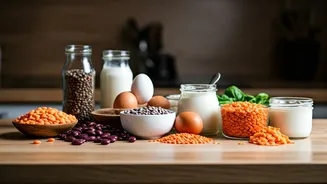
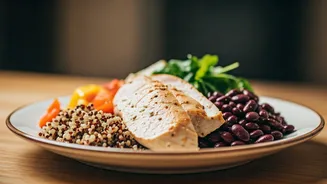
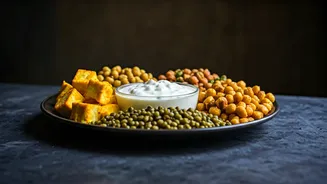
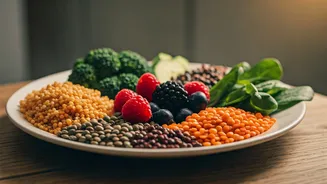
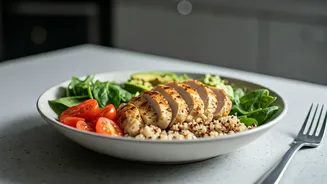
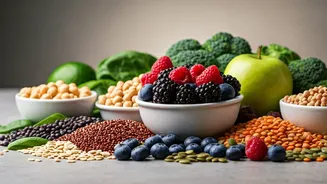
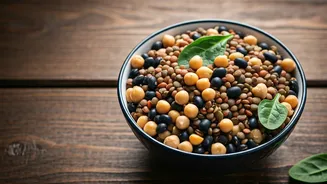
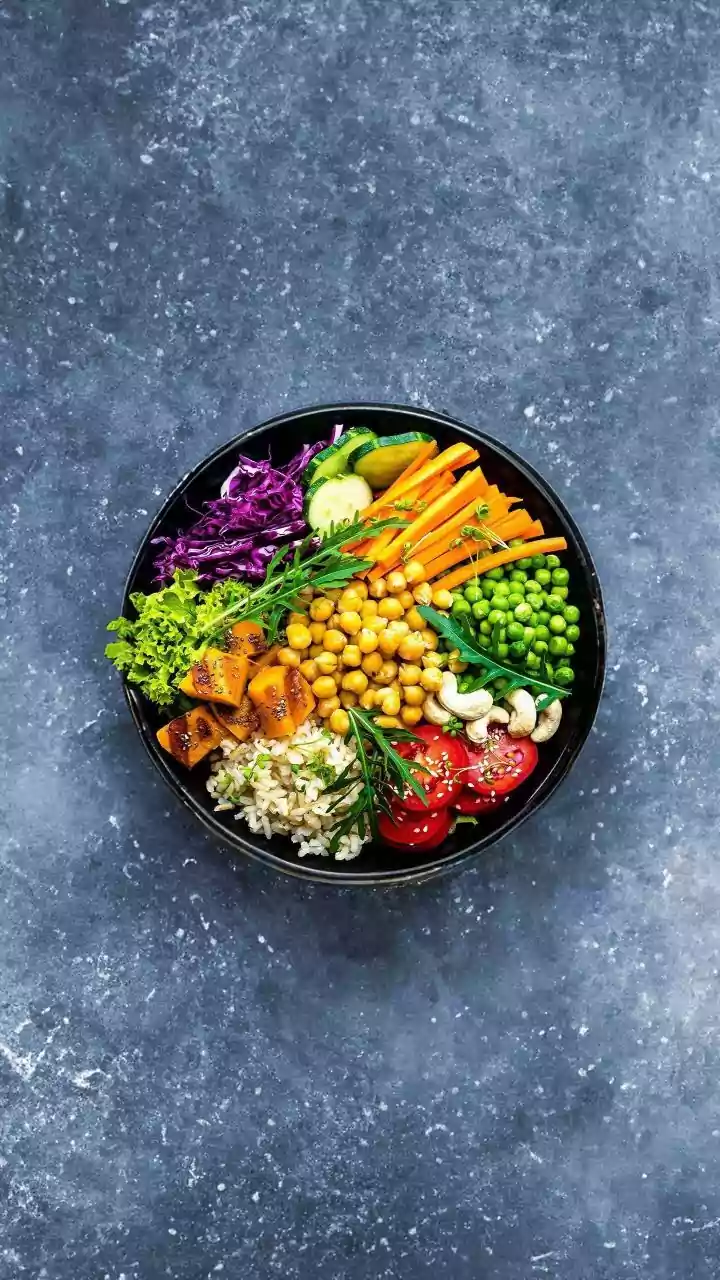
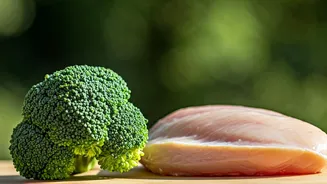
Bridging the protein gap doesn't require a radical diet overhaul or expensive supplements. It’s about making smarter choices with the foods we already love. For vegetarians, the options are plentiful. A cup of cooked moong or masoor dal contains a significant amount of protein. Paneer is another excellent source, with 100 grams providing around 18 grams of protein. Don't overlook chickpeas (chana), kidney beans (rajma), and soy products like tofu and soya chunks, which are protein powerhouses. Combining lentils with rice or roti creates a complete amino acid profile, debunking the myth that plant-based proteins are inferior. For non-vegetarians, eggs are a convenient and complete protein source, offering about 6 grams each. Lean meats like chicken breast and various types of fish are also excellent choices to anchor a meal. The key is distribution; instead of one large protein-heavy meal, aim to include a source of protein in every meal, including breakfast and snacks. A handful of roasted chana, a bowl of Greek yogurt (hung curd), or a simple egg bhurji can make a significant difference.