

Why Mandu in the Monsoon?
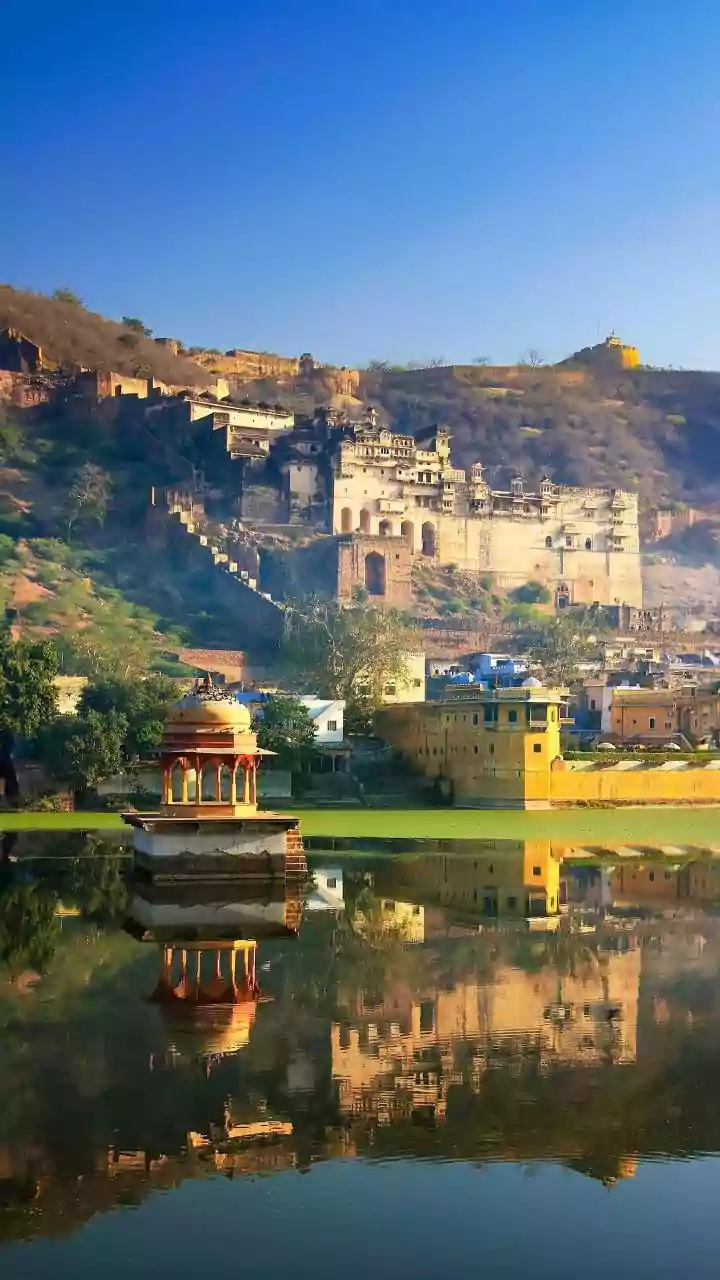
Mandu, once known as the 'City of Joy', transforms into a verdant paradise during the monsoon months of July through September. The rain washes the ancient stones clean, fills the lakes and tanks surrounding the palaces, and cloaks the landscape in a romantic
mist. Emperor Jehangir himself was so captivated by its monsoon beauty that he would often spend the season here. The cool breeze and lush surroundings make exploring the sprawling fort complex a delightful experience, far from the scorching heat of other seasons. It’s the perfect time to see these magnificent structures as they were meant to be seen, interacting with the element of water.
Getting There on a Budget
Reaching Mandu from Indore is both easy and affordable, making it an ideal weekend trip. The distance is roughly 90-100 kilometres. The most economical option is taking a state-run or private bus, which connects Indore to Mandu, often via the town of Dhar. For more flexibility, hiring a taxi is a great choice, especially for small groups. A one-way taxi can start from around ₹2,000 to ₹2,500. Driving your own car is also a viable option, with the journey taking approximately two to three hours, offering the freedom to stop and enjoy the scenic Malwa landscape along the way.
The Unmissable Monsoon Palaces
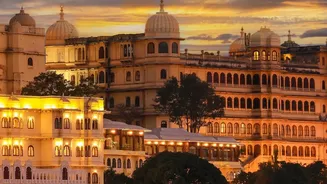
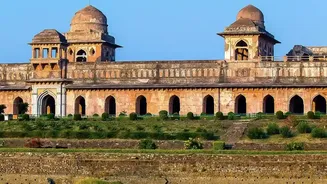
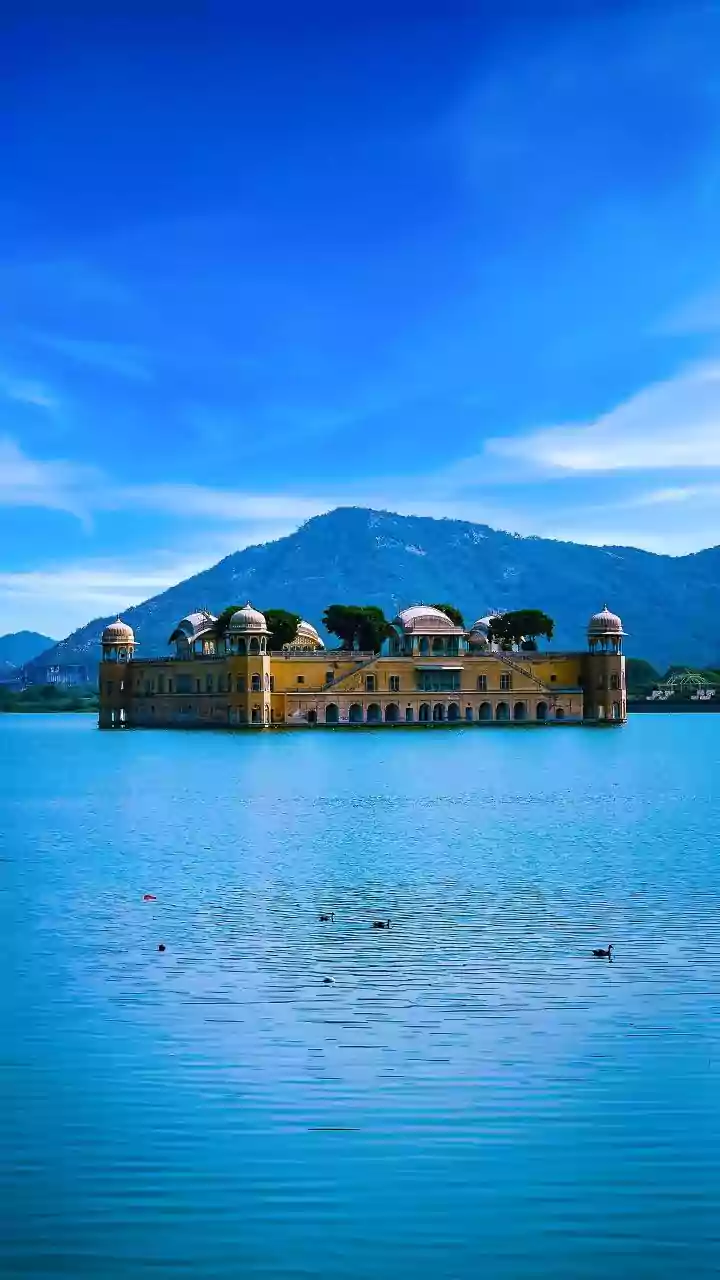
Mandu's architecture is a testament to its storied past, with several structures designed specifically to celebrate the monsoon. The Royal Enclave is the heart of these sights. Jahaz Mahal, or the Ship Palace, is the star attraction. This 15th-century marvel is built on a narrow strip of land between two artificial lakes, Munj and Kapur Talao, creating the illusion of a majestic ship floating on water—a sight that is truly spectacular when the lakes are full.
Nearby is the Hindola Mahal, or Swinging Palace, named for its distinctive sloping side walls that create an illusion of motion. The Royal Complex also includes the Hammam (a Turkish-style bath) and the Champa Baoli, an intricate stepwell with underground chambers designed to provide a cool retreat.
Romance Etched in Stone
The story of Mandu is incomplete without the legendary romance of Sultan Baz Bahadur and the singer-queen Roopmati. A visit to Rani Roopmati's Pavilion is essential. Perched on a hilltop, it offers breathtaking panoramic views of the Narmada river valley below. It is said that the queen would visit this pavilion daily to gaze at her beloved, sacred river. Close by is Baz Bahadur's Palace, a 16th-century structure known for its spacious courtyards and excellent acoustics, built to accommodate the couple's shared love for music.
Beyond the Palaces: Other Historic Gems
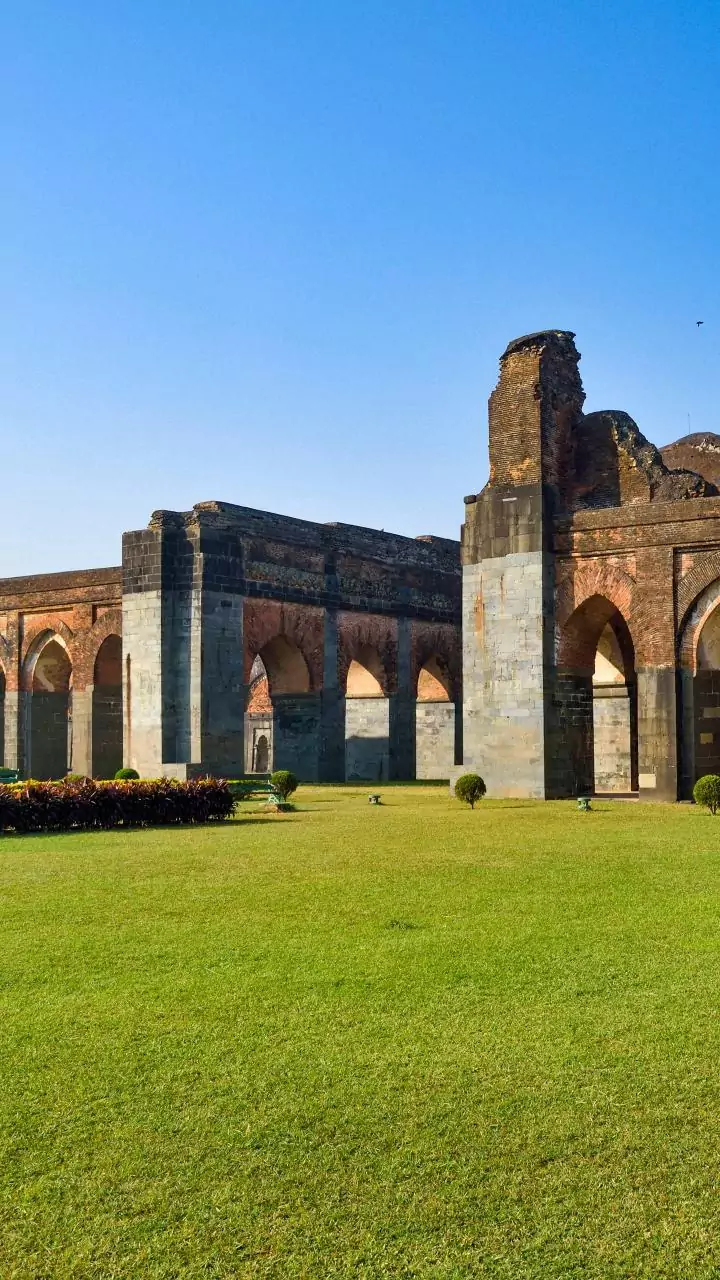
While the monsoon palaces are the main draw, Mandu offers much more. The Jami Masjid, inspired by the great mosque of Damascus, is a colossal structure of red sandstone that showcases the grandeur of Afghan architecture. Just behind it lies Hoshang Shah's Tomb, a significant monument considered to be India's first marble mausoleum and an architectural inspiration for the Taj Mahal. The Ashrafi Mahal, originally a madrasa (Islamic school), stands opposite the Jami Masjid and adds another layer to the city’s rich history.
Budgeting Your Weekend Trip
A trip to Mandu need not be expensive. For accommodation, numerous budget-friendly hotels, guesthouses, and homestays are available, with prices often starting under ₹1,500 per night. The state-run MPT Malwa Resort and Malwa Retreat are also popular options. Entry fees to the major monuments are nominal for Indian citizens, often around ₹25 per person for main sites like the Royal Enclave. For local transport, you can hire bicycles or auto-rickshaws for the day to get around the spread-out monuments. Eating at local dhabas and restaurants offering Malwa cuisine, like the famous daal bafla, is both delicious and economical.