




The New Policy Frontier
In a significant move in early 2024, the Indian government liberalised its Foreign Direct Investment (FDI) policy for the space sector, signaling a major departure from its historically state-dominated approach. Under the amended rules, the sector is now
split into three tiers for investment. The most transformative change allows 100% FDI through the automatic route for manufacturing components and subsystems for satellites and ground equipment. For more complex activities, like manufacturing and operating satellites, up to 74% FDI is permitted automatically, with government approval needed beyond that. For launch vehicles and the creation of spaceports, the automatic limit is set at 49%. This tiered structure is designed to attract targeted investment across the entire space value chain while maintaining strategic oversight. The reform provides much-needed clarity and aims to attract global investors by simplifying entry into one of the world's most promising space economies.
Rocket Fuel for Space-Tech Startups
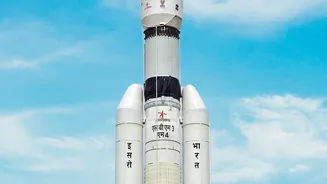
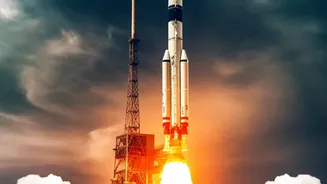
For India's burgeoning space-tech startup scene, this policy shift is nothing short of rocket fuel. The country is now home to hundreds of space startups, a number that has grown exponentially in recent years. However, the space industry is incredibly capital-intensive, with long development cycles. The influx of foreign capital is expected to provide the crucial funding these companies need to scale their operations, from research and development to testing and commercial deployment. Beyond just money, foreign investors bring invaluable expertise, mentorship, and access to global markets. This can help Indian startups like those in satellite manufacturing and data analytics integrate into the global supply chain, transforming them from local players into international competitors. The government's goal is to transition its own agency, ISRO, from an operator to a research and development focused body, creating a larger role for private enterprise.
Igniting the 'Make in India' Engine
The ripple effects of this investment will extend deep into India's manufacturing ecosystem. The 100% FDI allowance for component and subsystem manufacturing is a direct invitation to global aerospace giants and specialized manufacturers to set up shop in India or partner with local firms. This will create a robust domestic supply chain, reducing reliance on imported parts that are often subject to delays and disruptions. As well-funded Indian startups and new joint ventures increase the demand for high-quality, space-grade components, it will compel Micro, Small, and Medium Enterprises (MSMEs) to upgrade their technological capabilities and adhere to global quality standards. This could transform many local vendors, who previously served only as peripheral suppliers to ISRO, into key players in the international aerospace market.
Beyond Capital: A Transfer of Technology
The true long-term benefit of liberalised FDI lies beyond the balance sheets. The policy is explicitly designed to promote technology transfers and collaborative research. When foreign companies invest in or partner with Indian firms, they bring with them advanced technologies, efficient manufacturing processes, and best practices in project management and quality assurance. This knowledge transfer is critical for closing the technology gap in highly specialized areas like propulsion systems and avionics. The Indian National Space Promotion and Authorisation Centre (IN-SPACe), established as a single-window agency, is tasked with facilitating these collaborations, ensuring that the process is smooth for private and foreign entities. By becoming a hub for space-tech innovation, India can not only serve its domestic needs but also position itself as a cost-competitive provider of space solutions for the world, with projections for the Indian space economy to reach over $40 billion by the next decade.